If you’re looking for a 10-minute full body strength for women over 50 workout that feels doable, but still effective, this session is for you. It’s short, focused, and designed to help you feel stronger in real life: climbing stairs, carrying groceries, getting up from the floor, and moving with more ease.
Today’s “secret sauce” is controlled, steady strength work. That matters even more after 50 because it supports your connective tissue (the stuff that helps hold your joints and muscles together) and helps movement feel smoother over time. Grab your dumbbells, find a step (or a sturdy box/stair), and let’s build strength that lasts.
What You Need for This 10-Minute Full Body Strength Workout
For this 10-min full body strength for women over 50 session, you’ll need a pair of dumbbells and something safe to step onto. A gym step is great, but a sturdy step in your home works too, just make sure it won’t slide and it’s stable.
The goal today is simple: use the weight you lifted last time, and if you can do a little more, try it. Not reckless “push through pain” more. That might mean slightly heavier dumbbells, a slower tempo, better form, or stronger muscle focus. Progress is progress.

Warm-Up for Joint Mobility and Wrist Strength After 50
Before lifting, take about 3 minutes to warm up, especially your joints and don’t skip your wrists. Many of us don’t realize how much we rely on wrist strength until we start holding dumbbells regularly. A quick wrist warm-up can make your lifting feel more comfortable and controlled.
Circle your wrists both directions, flex and extend gently, and shake out any stiffness. Then add easy full-body movement: shoulder rolls, hip circles, a few bodyweight hinges, and light marching. This warm-up helps prepare your joints and signals your muscles that it’s time to work.
Weighted Step-Ups
Step-ups are one of the best functional moves in any 10-minute full body strength for women over 50 routine. They train your glutes and legs while also challenging balance, two things that support confident movement as you age.
How to do it: Hold one dumbbell (or two if you’re comfortable). Step one foot onto the box/step, press through the whole foot, and stand tall at the top. Then lower down with control. Think “slow and steady” on the way down, because that’s where a lot of the strength and joint support is built.
Why it helps: Step-ups strengthen the glutes and thighs for stair-climbing, walking, and knee support. They also improve coordination and balance, which can help you feel steadier in everyday life, especially when you’re tired or moving quickly.
Romanian Deadlift
The Romanian deadlift (RDL) is a powerhouse move for your hamstrings, glutes, and hips. In a 10-minute full body strength for women over 50 workout, it’s a smart choice because it strengthens the back side of your body, where many women become weaker as they age.
How to do it: Stand with feet hip-width apart, toes forward. Hold dumbbells in front of your thighs. Soften your knees and hinge at the hips, sliding the dumbbells down your legs until you feel your hamstrings “load” (a deep stretch/engagement). Keep your back flat, core braced, and neck neutral. Then drive the hips forward and stand tall.
Why it helps: RDLs build strong hips and a strong posterior chain, which supports your lower back and improves your posture. This kind of strength work is also helpful during menopause because it encourages muscles and bones to stay resilient when hormones shift.
Reverse Fly
The reverse fly targets your mid-back and the muscles around your shoulder blades, exactly the area that can weaken when we sit more, hunch forward, or spend time on phones and laptops. Including this in a 10-minute full body strength for women over 50 session is one of the best posture-supporting choices you can make.
How to do it: Hinge forward at your hips (like the start of an RDL), keep your back flat, and let the dumbbells hang below you. With a slight bend in your elbows, lift the dumbbells out wide until they’re around shoulder height. Focus on squeezing your shoulder blades together, then lower smoothly.
Why it helps: This move strengthens the “pulling” muscles that keep your shoulders back and your chest open. Over time, it can make everyday movement feel easier, reaching overhead, carrying bags, and standing taller with less tension in your neck.
Front Raise Hold
This move looks simple, but the front raise hold is sneaky effective. It builds strength in the front of your shoulders and teaches your core to stabilize, both are important in a 10-minute full body strength for women over 50 plan.
How to do it: Raise a dumbbell (or two, if that’s your level) to shoulder height. Hold for a count of four, then lower slowly with control. Keep ribs stacked over hips (no leaning back) and squeeze your glutes lightly to stay steady.
Why it helps: Holds build endurance in the shoulders and improve control, which can support pain-free lifting and better posture. The deep core engagement also helps you feel more stable when you’re carrying, reaching, and moving through your day.
Dumbbell Curls
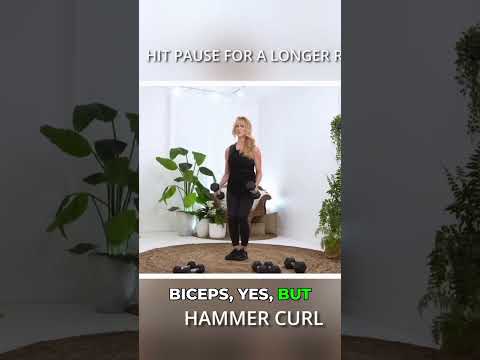
Curls aren’t just for “toned arms”, they’re practical. Strong biceps help with everyday tasks like lifting laundry, carrying groceries, picking up grandkids, and pulling things toward you. That’s why they belong in your 10-min full body strength for women over 50 routine.
How to do it: Hold dumbbells with palms facing up. Keep your elbows close to your waist and curl both dumbbells toward your shoulders. Then lower slowly, don’t let gravity do all the work. Think “lift strong, lower slow.”
Why it helps: Curls strengthen the biceps and improve elbow stability. When you pair them with good posture (shoulders down, chest open), you also reinforce better upper-body mechanics, meaning less strain on your neck and shoulders.
Alternating Raises
This move adds a coordination challenge without making things complicated. You’re lifting one arm forward and the other out to the side, then switching. In a 10-min full body strength for women over 50 workout, it’s a great way to train shoulder stability while your core stays engaged.
How to do it: Stand tall, core braced, glutes gently engaged. Lift one arm straight forward to shoulder height while the other lifts out to the side. Lower with control and switch sides. Go lighter than you think, you’ll feel it quickly.
Why it helps: Alternating patterns challenge your brain and your body at the same time, which is great for long-term movement quality. It also strengthens the shoulders in multiple directions, helping you feel steadier and stronger in daily activities.
Farmer’s Carry
If you only do one move for “real life strength,” make it a farmer’s carry. It’s a simple, powerful finisher in this 10-min full body strength for women over 50 session because it strengthens your grip, shoulders, core, and posture all at once.
How to do it: Pick up weights that feel challenging. Stand tall with shoulders down and back, core engaged, and walk for 45 seconds. If you don’t have space, walk on the spot, but if you can, walk through the house or even out the door and keep going.
Why it helps: Grip strength is closely tied to functional independence, such as opening jars, carrying bags, steadying yourself, and staying confident with everyday tasks. This move also trains your body to stay upright under load, which supports back health and posture.
Cool Down Motivation
When you finish, take a moment to breathe and notice what you just did. Showing up matters. One simple way to stay consistent is to track it, leave a note in your journal, mark your calendar, or (like the trainer suggests) comment “done” somewhere you’ll see it. Progress loves proof.
And if you still have energy? Repeat the workout. Doing this 10-minute full body strength for women over 50 routine twice gives you a full 20-minute session and turns one focused circuit into two solid strength sets. That’s an easy way to build more muscle stimulus, without needing a longer or more complicated plan.
Final Thoughts
This 10-min full body strength for women over 50 workout is effective because it hits the whole body with smart, controlled movements: legs and glutes for power, hinges for strong hips, upper back for posture, shoulders for stability, arms for daily strength, and carries for grip and independence.
Keep focusing on good form, steady control, and small progress, like lifting a bit heavier, moving more slowly, or feeling the target muscle more clearly. That’s how strength builds after 50: not with punishing workouts, but with consistent, confident training that supports your joints, your bones, and your everyday life.
Free 28-Day New Year Activation Challenge
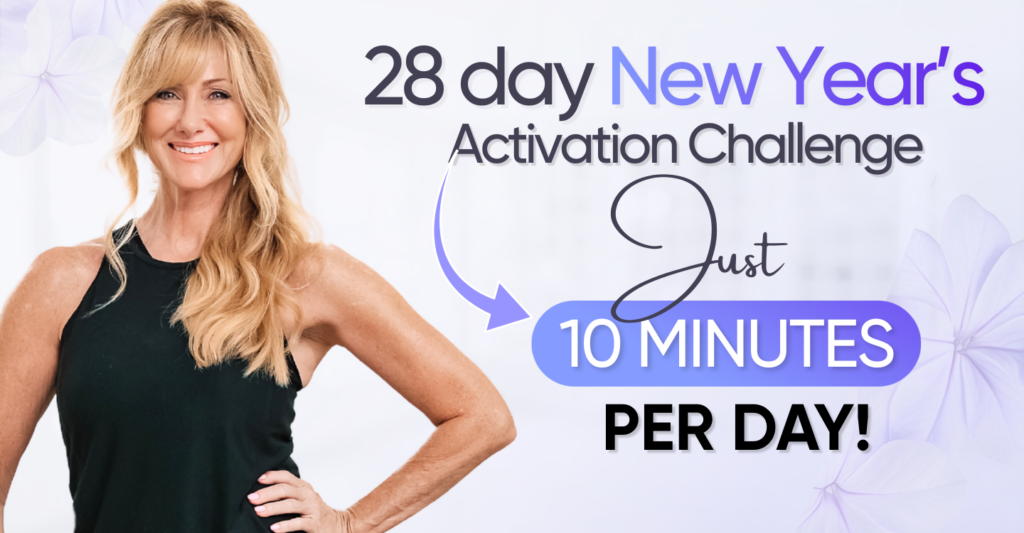
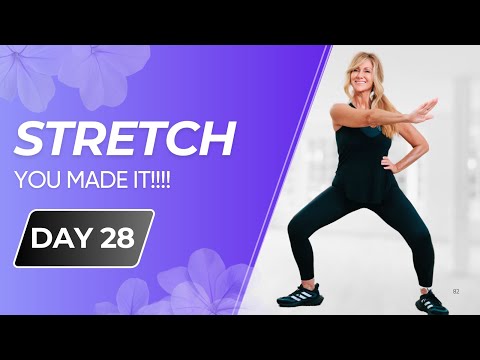
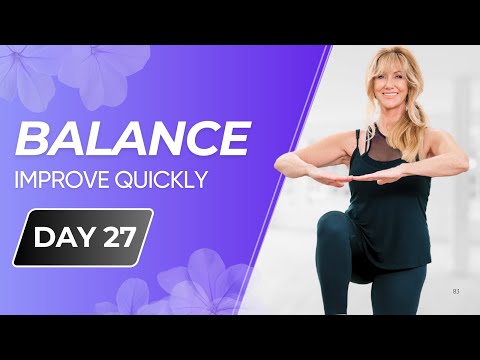
This workout is Day 19 of the Free 28-Day Activation Challenge, designed specifically for women in midlife who want to feel stronger, more energized, and confident in their bodies.
Each day includes a targeted 10-minute routine that fits easily into your schedule and helps build long-lasting healthy habits. If you’re just joining in, it’s never too late to start! Jump in with Day 4 or go back and begin from Day 1.
- Day 1: 10 Min Full Body Strength for Women Over 50: How to Start
- Day 2: Does Walking Burn Fat Over 50? This 8-Minute Workout Proves It
- Day 3: 10 Minute Workout to Tone Flabby Arms & Build Upper Body Strength
- Day 4: 10 Minute HIIT Workout to Burn Fat & Boost Energy Over 50
- Day 5: Full Body Strength Workout to Tone & Build Lean Muscle Over 50
- Day 6: How to Improve Balance After 50: 8 Min Balance & Stability
- Day 7: 8 Min Full Body Stretch to Release Joints & Lower Cortisol
- Day 8: Upper Body Strength for Women 50+ Chest, Shoulders & Triceps
- Day 9: Why This 8 Minute Walk Works Better Than Regular Cardio
- Day 10: Why This 10 Min “Pull” Routine Works Better Than Posture Correctors
- Day 11: Belly Fat Blasting HIIT Workout for Women Over 50
- Day 12: This Dumbbell Workout Builds Stronger Legs in 10 Minutes
- Day 13: You Need To Try This 8 Minute Balance workout Over 50
- Day 14: Do This 10 Min Stretch to Stop Waking Up Stiff & Aching
- Day 15: 10-Minute Standing Abs to Burn Belly Fat
- Day 16: Do This 10 Minutes Walk to Burn Calories All Day
- Day 17: 10 Minutes Strength Workout to Build Muscle Fast After 50
- DAY 18: 10-Minute Beginner HIIT Workout to Get Fit & Burn Fat Fast
You can track your progress, stay motivated, and be part of a supportive community that’s cheering you on every step of the way.
FAQs: 10-Min Full Body Strength for Women Over 50
Yes, if you stay consistent and use challenging (but safe) weights. A focused 10-min full body strength for women over 50 session builds strength, supports joints, and keeps muscles active. Doing it 3 times a week adds up fast.
Choose a weight that feels challenging by the last few reps while still letting you keep good form. If you could easily do 5 more reps, go a little heavier next time. If your form breaks, go lighter.
Use a sturdy stair, a low step, or a strong box that doesn’t wobble. The key is stability. Start lower if you have knee or balance concerns, and always step down slowly.
They can be very safe when done correctly. Keep a flat back, hinge from the hips, and use lighter weights until you feel confident. If you have ongoing back issues, consider getting form guidance from a trainer or physio.
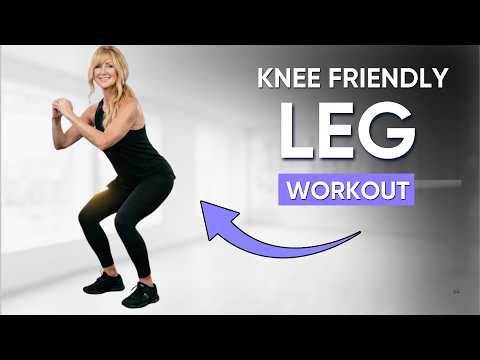
Step up by pressing through your whole foot and keeping your knee tracking in line with your toes. Move slowly on the way down. If you feel knee pain, lower the step height and reduce the weight.
Controlled strength training supports connective tissue and joint stability over time. Slower reps also increase muscle time-under-tension, which is great for building strength after 50.
Many women notice better energy, posture, and strength within 2–4 weeks. Visible changes can take longer, but the biggest wins are feeling steadier, stronger, and more confident in daily life.
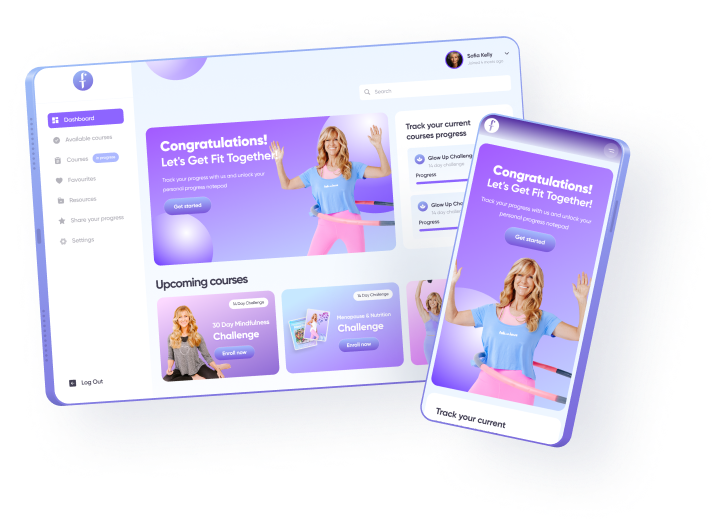
Want even more support? Check out the VitaliT app for midlife women, your hub for extended workouts, nutrition, brain training, face yoga, and new wellness tools like tapping. It’s all based on the same plan as this challenge: strength, cardio, balance, and mobility. Start your 14-day free trial and feel the difference.