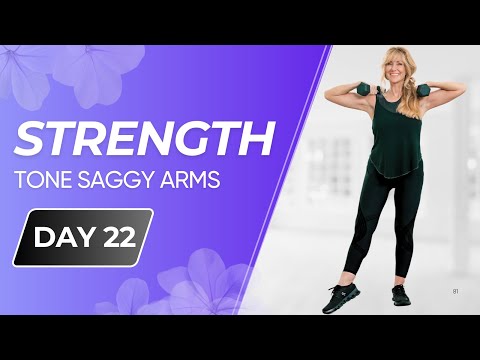
Welcome to day 10 of your journey to a stronger, more confident you. Today’s workout is all about pull strength for women over 50, a powerful and often overlooked area of fitness that supports better posture, helps you stand taller, and builds functional strength for daily life.
As we age, our posture can begin to suffer due to muscle imbalances and a more sedentary lifestyle. This pull-focused routine targets the back, arms, and shoulders to realign your body, tone your muscles, and boost your energy.
Plus, the benefits go beyond muscle, strong connective tissue and fascia help support lasting mobility and pain-free exercise.
Why Pull Strength Is Essential After 50
Many women over 50 unknowingly neglect their back and pulling muscles, leading to rounded shoulders, tension in the neck, and poor posture. Pull strength reverses this by activating the upper and mid-back, improving your alignment, and building the foundation for graceful aging.
Stronger back muscles also help support the spine and reduce the risk of injury. Combined with grip and arm work, this type of strength training helps with everyday tasks, from lifting groceries to playing with grandkids.
Single-Arm Dumbbell Row (Right Side)
Start with your right arm. Using a chair for support, place your left knee and hand on the seat, keeping your back flat. Let the dumbbell hang in your right hand, then row it up toward your waist, squeezing your shoulder blade.
This move strengthens the lats, rhomboids, and core, helping you develop upper back tone and control. Lower slowly to build time under tension.

Single-Arm Dumbbell Row (Left Side)
Switch sides and repeat the same controlled movement with your left arm. This unilateral work helps identify and correct strength imbalances.
Rows are essential for combating the effects of forward shoulder posture and tech neck, which are increasingly common in midlife.
Bicep Curls for Defined Arms
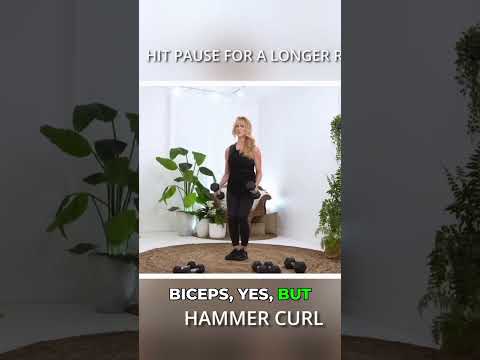
Stand tall, elbows tucked at your sides, and curl your dumbbells up with palms facing in. Lower slowly to fully engage the muscle.
This works the biceps and brachialis, giving your arms shape and strength while helping with lifting, pulling, and carrying tasks.
Farmer’s Carry for Grip Strength & Core Stability
Pick up heavy weights and walk around your home for 45 seconds. Keep your shoulders back, abs engaged, and grip strong.
This functional strength movement improves grip, posture, and overall stamina. It mimics real-life lifting and trains your entire body to move as one.
Upright Row for Shoulder Sculpting
With dumbbells in front of your thighs, pull your elbows up to shoulder height, keeping weights close to your body.
This movement defines your shoulders, boosts upper back strength, and supports improved posture.
Seated Single-Arm Curl (Right & Left)
Sit tall and perform a slow, controlled bicep curl with one arm at a time. Sitting removes momentum and isolates the working muscle.
This variation adds precision and helps tone your arms more effectively while protecting the lower back.
Bent-Over Row for Back Definition
With feet hip-width apart, hinge at the hips and hold your dumbbells with palms facing up. Pull the weights to your ribs while squeezing your shoulder blades together.
This classic pulling movement targets the entire upper back and builds postural awareness, strength, and definition.
Zottman Curl for Biceps & Forearm Power
Curl your dumbbells up with palms up, then rotate palms down and slowly lower. This works both the biceps and forearms.
The Zottman curl is excellent for improving grip, overall arm shape, and wrist strength, especially useful for injury prevention and joint support.
Arm Openers for Chest & Shoulder Mobility
Stand tall with arms at shoulder height and soft elbows. Hug the air in front of your chest, then open your arms wide.
This stretch-like movement counteracts the tightness from sitting or desk work. It’s a gentle way to reset posture and improve chest flexibility.
Wrap-Up and Motivation for Midlife Progress
Take a moment to recognize your effort today. These pull strength exercises can be done 2–3 times a week to create lasting change in your posture, back strength, and confidence.
If you want to go further, repeat the circuit for a 20-minute session or explore structured fitness plans made specifically for women over 50. You’ll feel more energetic, in better alignment, and with more power if you stay consistent.
Final Thoughts
Building pull strength after 50 is about standing taller, moving better, and feeling stronger from the inside out. Keep showing up, stay committed, and celebrate every improvement. You deserve to feel confident and capable in your body at any age.
Free 28-Day New Year Activation Challenge
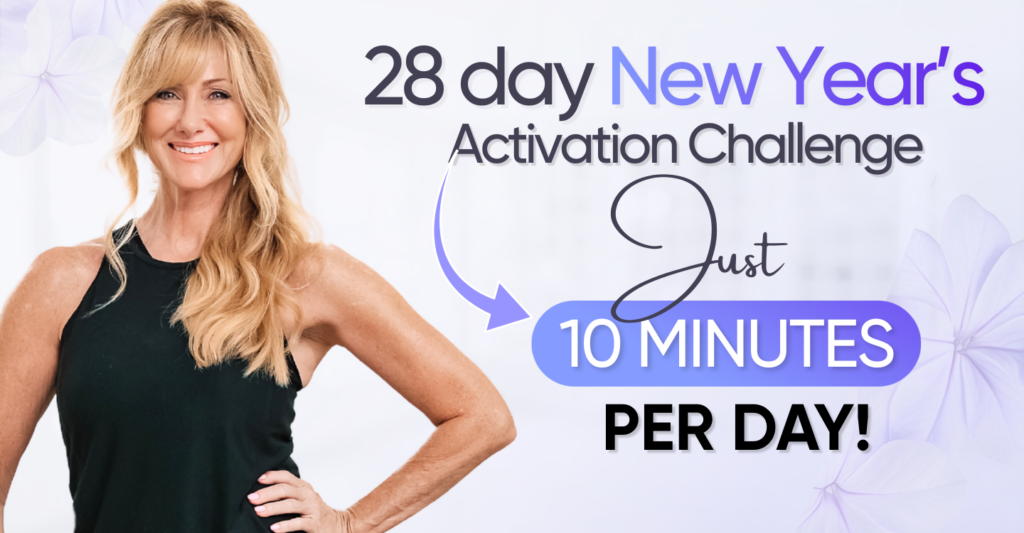
This workout is Day 10 of the Free 28-Day Activation Challenge, designed specifically for women in midlife who want to feel stronger, more energized, and confident in their bodies.
Each day includes a targeted 10-minute routine that fits easily into your schedule and helps build long-lasting healthy habits. If you’re just joining in, it’s never too late to start! Jump in with Day 10 or go back and begin from Day 1.
- Day 1: 10 Min Full Body Strength for Women Over 50: How to Start
- Day 2: Does Walking Burn Fat Over 50? This 8-Minute Workout Proves It
- Day 3: 10 Minute Workout to Tone Flabby Arms & Build Upper Body Strength
- Day 4: 10 Minute HIIT Workout to Burn Fat & Boost Energy Over 50
- Day 5: Full Body Strength Workout to Tone & Build Lean Muscle Over 50
- Day 6: How to Improve Balance After 50: 8 Min Balance & Stability
- Day 7: 8 Min Full Body Stretch to Release Joints & Lower Cortisol
- Day 8: Upper Body Strength for Women 50+ Chest, Shoulders & Triceps
- Day 9: Why This 8 Minute Walk Works Better Than Regular Cardio
You can track your progress, stay motivated, and be part of a supportive community that’s cheering you on every step of the way.
FAQs
Pull strength targets the back, shoulders, and arms to improve posture, reduce pain, and support daily movements like lifting and reaching.
Pull exercises strengthen the muscles that support the spine and shoulders, helping to correct slouched posture and relieve neck tension.
Top moves include single-arm rows, upright rows, bent-over rows, and Zottman curls, which build strength in the upper and mid-back.
Yes, building strength in the back and shoulders helps stabilize the spine and can alleviate common sources of midlife back pain.
Aim for 2–3 times a week, allowing rest days in between to support recovery and fascia adaptation.
A pair of dumbbells and a chair are all you need to perform effective pull exercises at home.
Yes, pull exercises engage the biceps and forearms, helping to tone and define the arms as part of a balanced strength routine.
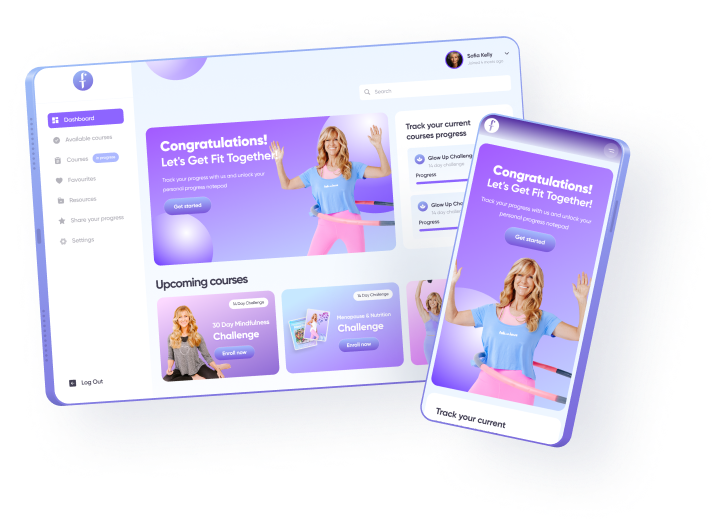
Want even more support? Check out the VitaliT app for midlife women, your hub for extended workouts, nutrition, brain training, face yoga, and new wellness tools like tapping. It’s all based on the same plan as this challenge: strength, cardio, balance, and mobility. Start your 14-day free trial and feel the difference.