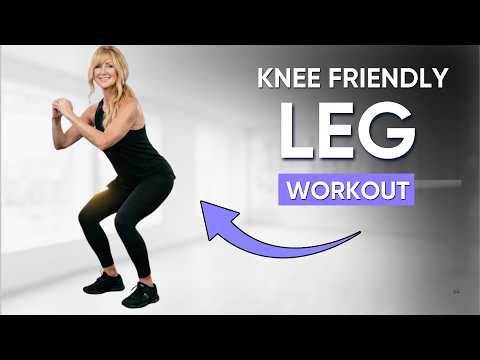
If you’re working on rebuilding leg strength after 50, you’re doing one of the smartest things you can do for your whole body. Strong legs don’t just make daily life easier, they support your posture, protect your joints, improve balance, and help you feel steady and confident as you move through your day.
And here’s the best part: you don’t need to be “good” at squats or already strong to start. This routine is designed for women with stiff hips, cranky knees, lower back sensitivity, or simply a body that’s changing in menopause.
You’ll modify when needed, focus on form, and practice until the movements feel smoother and easier.
Why Rebuilding Leg Strength After 50 Matters (More Than You Think)
When we talk about rebuilding leg strength after 50, we’re really talking about protecting your independence. Strong legs help you climb stairs, get up from the floor, carry groceries, and move with confidence.
They also take pressure off your knees and hips because your muscles can “share the work” instead of dumping everything into your joints.
Another big reason this matters in midlife? Bone health. Bones need regular signals, meaning impact and resistance to stay strong and responsive. Bone loss can happen quietly (especially after menopause), and many women don’t realize it until a scan tells the story.
Strength training gives your body a reason to keep bones and muscles strong, which supports long-term health.
What You Need for This Leg Strength Workout
To rebuild leg strength after 50 safely and effectively, keep it simple:
- A set of dumbbells (light to moderate, choose weights you can control)
- A step, sturdy box, or household step (stairs work too)
- Optional: a mat for floor work
Most importantly, use the mindset that keeps you consistent: modify without shame. Half squats count. Smaller ranges of motion count. You’re building strength step-by-step, not trying to win a competition.

How to Modify This Workout (So It Works for Your Body)
If you can’t go into a full squat right now, do a half squat. Or if balance feels shaky, slow down and hold onto a wall or chair. If a movement causes sharp pain, skip it and choose the gentler version.
The goal is to practice until your body learns the pattern. When you focus on where you are today, you build confidence—and confidence makes you consistent. And consistency is what truly rebuilds leg strength after 50.
Exercise 1: Goblet Squat for Strong Legs and Bone Health
The goblet squat is one of the best moves for rebuilding leg strength after 50 because it trains your quads, glutes, inner thighs, and core all at once. Holding the weight at your chest also helps you stay upright, which many women find kinder on the lower back.
How to do it: Stand with your feet in a comfortable “sumo” stance (slightly wider than hips, toes gently turned out). Hold one dumbbell (or two together) at chest height. Lower into a squat while keeping your chest tall and your knees tracking in the direction of your toes. Push through your heels to stand back up.
Why it helps: Squats are functional strength, meaning they make real life easier. They also send strong signals to your bones and muscles, which is helpful in menopause and beyond. If a deep squat doesn’t feel good yet, keep it shallow and focus on control.
Exercise 2: Lateral Squat Walk for Hip Stability and Knee-Friendly Strength
This move looks simple, but it’s powerful for hip stability, which supports knee comfort. Many women over 50 feel knee issues more intensely when hips and glutes are weak, so training side-to-side strength is a smart strategy.
How to do it: Lower into a half squat (not deep, just enough to feel your legs working). Step one foot to the left, then step one foot to the right. Keep your hips low, core tight, and movement smooth rather than bouncy.
Why it helps: This builds strength in the glutes and outer hips (which help keep your knees tracking well). It also improves control and coordination, which supports balance and steadiness as you age.
Exercise 3: Split Stance RDL for Glutes, Hamstrings, and Balance
The split stance RDL (Romanian deadlift) is fantastic for rebuilding leg strength after 50 because it strengthens the back side of your bod, such as glutes and hamstrings, while also training balance. It’s a quiet powerhouse move for posture and stability.
How to do it: Put one foot forward and the other foot half a step behind (you’re not in a deep lunge). Hold dumbbells and hinge at your hips like you’re closing a car door with your butt. Slide the weights down your front leg as your hips move back. Keep your back flat and your weight in the front heel. Squeeze your glutes to stand.
Why it helps: Strong glutes protect the lower back and help support the pelvis. Strong hamstrings support the knees. And because you’re in a split stance, you build that steady, grounded control that helps prevent falls.
Rest and Switch Sides (Don’t Skip This Part)
After your first side on the split stance RDL, take a short rest and switch sides. This is where good form comes from, pausing long enough to reset your posture and move with intention.
If you notice one side feels weaker or tighter, that’s normal. Keep your range smaller on that side and focus on smooth movement. Over time, this is exactly how you rebuild leg strength after 50 evenly, without overcompensating.
Exercise 4: Step-Ups for Glutes, Balance, and Fall Prevention
Step-ups are one of the most practical strength moves for women over 50 because they train the exact motion you use on stairs and curbs. They also build single-leg strength, which is key for balance and stability.
How to do it: Hold dumbbells by your sides. Step one foot onto your box/step. Push through that heel and stand tall on the step, then lower down slowly with control. Keep your torso upright and avoid “throwing” yourself upward.
Why it helps: Step-ups strengthen the glutes and thighs while improving coordination. The slow lowering portion is especially useful for control, which supports knee stability and helps reduce the risk of stumbling.
Exercise 5: Step-Ups on the Other Side for Coordination and Stronger Legs
When you switch sides, you may notice the second leg feels less coordinated. That’s not weakness—it’s your nervous system learning. This is part of rebuilding leg strength after 50: your brain and body are training together.
Focus on a controlled step-down and a strong, steady press-up. If balance is tricky, use lighter weights or hold onto a wall. The goal isn’t speed. The goal is stability.
Exercise 6: Dumbbell Swing for Hip Power and Metabolism Support
A dumbbell swing trains hip drive, which is essential for athletic power, and yes, women over 50 benefit from this too. It’s also a great way to get your heart rate up without jumping.
How to do it: Hold a dumbbell with both hands. Hinge at the hips and swing the weight back between your legs. Then drive your hips forward to swing the weight up to about chest height. Your arms guide the weight, but your hips power it. Keep your back strong and flat.
Why it helps: This strengthens glutes, hamstrings, and core while adding a cardio-like boost. If you’re rebuilding leg strength after 50 and also want better endurance, swings are a smart addition, just keep them controlled and crisp.
Exercise 7: Floor Side Leg Lift for Hip Strength and Joint Support
This move targets the outer hip muscles that support the pelvis and help your knees stay aligned. It’s also gentle and joint-friendly, which is helpful on days your body feels stiff.
How to do it: Come to a kneeling position. Lift one leg out to the side with a bent knee. Pause at the top, then lower with control. Keep your core engaged and hips square (try not to twist your torso).
Why it helps: Strong outer hips support walking mechanics and balance. This is especially helpful for women over 50 who feel wobbly on one leg or notice hip tightness.
Switch Sides: Side Leg Lift for Hip Mobility and Pelvic Stability
Take a quick rest and switch sides. If one side feels harder, that’s common, and it’s information you can use. Move slower, keep the lift smaller, and focus on control.
Over time, this improves pelvic stability, which supports the lower back and helps you move more comfortably. It’s another simple but powerful step in rebuilding leg strength after 50.
Exercise 8: Glute Bridge for Strong Glutes and Low Back Support
The glute bridge is one of the best exercises for women over 50 because it strengthens the glutes without stressing the knees. It also supports the lower back by teaching your hips to do their job.
How to do it: Lie on your back with knees bent and feet flat. Drive through your heels and lift your hips. Squeeze your glutes at the top, then lower slowly and repeat. Keep your ribs down and avoid over-arching your back.
Why it helps: Strong glutes improve posture, walking strength, and stability. If you sit a lot (many of us do), bridges help “wake up” the muscles that protect your back and hips.
How to Track Progress (So You Keep Getting Stronger)
A simple way to stay consistent is to leave a quick comment or note each day you complete the workout. Seeing your progress builds motivation, and motivation keeps you showing up for yourself.
If you still have energy, repeat the entire workout again for a longer session. Two rounds turns a short workout into a solid, effective routine for rebuilding leg strength after 50, without needing complicated equipment.
Final Thoughts
Rebuilding leg strength after 50 isn’t about pushing through pain or forcing your body into shapes it’s not ready for. It’s about smart training: controlled movements, consistent practice, and modifications that help you progress safely.
Stick with these moves, focus on form, and celebrate the small wins, like deeper squats, steadier step-ups, and stronger glutes. Those wins add up fast, and they lead to what you really want: a body that feels capable, steady, and strong.
Free 28-Day New Year Activation Challenge
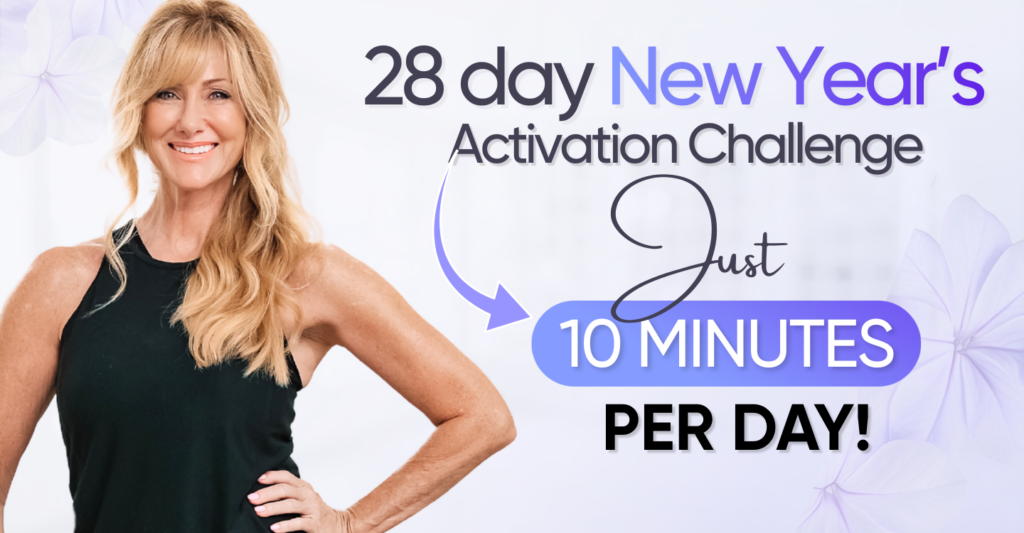
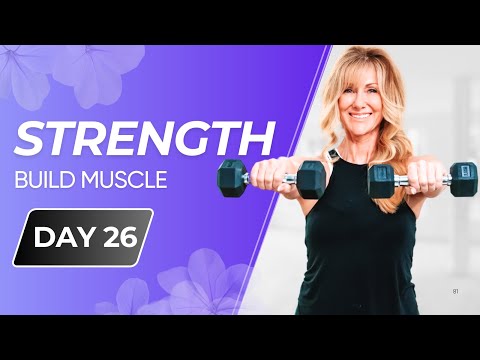
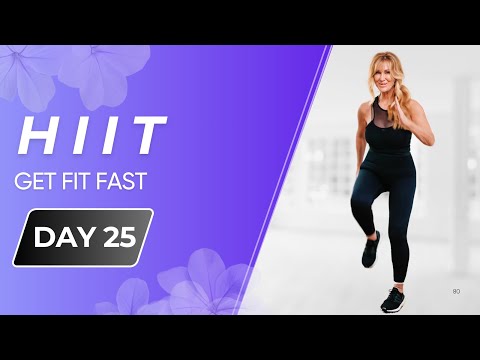
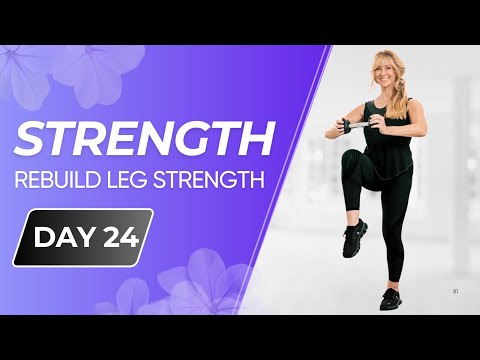
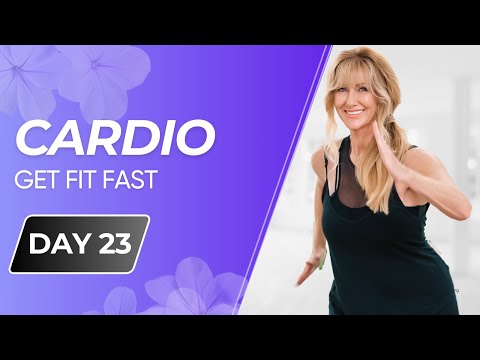
This workout is Day 24 of the Free 28-Day Activation Challenge, designed specifically for women in midlife who want to feel stronger, more energized, and confident in their bodies.
Each day includes a targeted 10-minute routine that fits easily into your schedule and helps build long-lasting healthy habits. If you’re just joining in, it’s never too late to start!
- Day 1: 10 Min Full Body Strength for Women Over 50: How to Start
- Day 2: Does Walking Burn Fat Over 50? This 8-Minute Workout Proves It
- Day 3: 10 Minute Workout to Tone Flabby Arms & Build Upper Body Strength
- Day 4: 10 Minute HIIT Workout to Burn Fat & Boost Energy Over 50
- Day 5: Full Body Strength Workout to Tone & Build Lean Muscle Over 50
- Day 6: How to Improve Balance After 50: 8 Min Balance & Stability
- Day 7: 8 Min Full Body Stretch to Release Joints & Lower Cortisol
- Day 8: Upper Body Strength for Women 50+ Chest, Shoulders & Triceps
- Day 9: Why This 8 Minute Walk Works Better Than Regular Cardio
- Day 10: Why This 10 Min “Pull” Routine Works Better Than Posture Correctors
- Day 11: Belly Fat Blasting HIIT Workout for Women Over 50
- Day 12: This Dumbbell Workout Builds Stronger Legs in 10 Minutes
- Day 13: You Need To Try This 8 Minute Balance workout Over 50
- Day 14: Do This 10 Min Stretch to Stop Waking Up Stiff & Aching
- Day 15: 10-Minute Standing Abs to Burn Belly Fat
- Day 16: Do This 10 Minutes Walk to Burn Calories All Day
- Day 17: 10 Minutes Strength Workout to Build Muscle Fast After 50
- Day 18: 10-Minute Beginner HIIT Workout to Get Fit & Burn Fat Fast
- Day 19: Do This 10 Min Full Body Strength Workout to Feel Stronger After 50
- Day 20: 10-Minute Balance Workout To Stay Young And Spritely
- Day 21: 10-Minute Total Body Stretch to Fix Stiff Hips & Aching Joints
- Day 22: 10-Minute Upper Body Strength Workout to Tone Saggy Arms & Fix Posture
- Day 23: 10-Minute Walking Cardio Workout to Get Fit & Burn Fat Fast
You can track your progress, stay motivated, and be part of a supportive community that’s cheering you on every step of the way.
FAQs: Rebuild Leg Strength After 50
Most women do well with 2–3 strength sessions per week, with at least one rest day between leg-focused workouts. That gives muscles time to recover and grow stronger.
Try a half squat, reduce the depth, and slow down. Also focus on pushing your hips back and keeping knees tracking with toes. If pain is sharp or persistent, skip squats and build strength with step-ups and bridges first.
Yes, when used with good form and appropriate weight. Strength training provides helpful “signals” to muscles and bones, which supports strength and long-term function during and after menopause.
Step-ups and split stance RDLs are excellent because they train single-leg strength and stability, which directly supports balance as you age.
Choose a weight that feels challenging by the last few reps but still allows good form. If your posture breaks down, the weight is too heavy for now.
Absolutely. Start with lighter weights, smaller range of motion, and slower reps. Beginner-friendly modifications still count, and they’re how you rebuild leg strength after 50 safely.
Many women feel changes in 2–4 weeks (better stability, easier stairs, more confidence), especially with consistent training. Strength continues to build over time, so keep going.
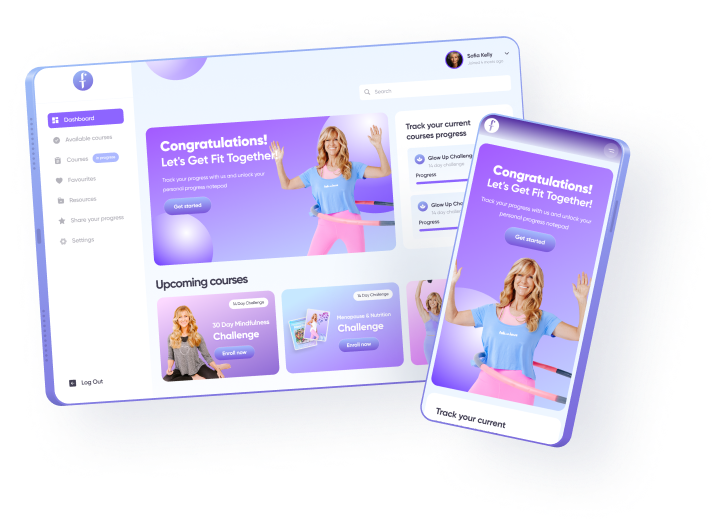
Want even more support? Check out the VitaliT app for midlife women, your hub for extended workouts, nutrition, brain training, face yoga, and new wellness tools like tapping. It’s all based on the same plan as this challenge: strength, cardio, balance, and mobility. Start your 14-day free trial and feel the difference.