Walking has always been one of the most accessible forms of exercise, but when paired with brain training, it becomes a powerful tool for cognitive health.
For women over 50, combining movement with mental challenges not only strengthens the body but also sharpens the mind, supporting memory, mood, and brain function during and after menopause.
This brain-boosting walking workout is designed specifically for midlife women. It adds light coordination drills, memory challenges, and posture-focused movement to make your walk more than just a stroll.
Whether you’re battling brain fog or want to stay sharp, this is the perfect low-impact way to do it.
Why Combine Walking and Brain Training After 50?
As we age, it’s common to notice small changes in focus, memory, and mental clarity. Hormonal shifts during menopause can contribute to brain fog, and physical inactivity can worsen it. The good news? Moving your body floods your brain with oxygen and stimulates neural pathways.
Adding brain training to your walking workouts challenges the mind in new ways, keeping it active, agile, and engaged. It also improves coordination, balance, and reaction time, which are essential for long-term independence.
READ ALSO: Exercise, the brain and anti aging – Why exercise keeps us young!
Warm-Up Walk: Low-Impact Cardio for Joint Health
Start your session with a gentle, rhythmic walk. Focus on upright posture, relaxed shoulders, and an even pace. This warms up your muscles, lubricates your joints, and prepares your body for movement.
Use this time to become mindful of your walking mechanics. Small changes like landing softly and engaging your core can reduce strain on your knees and improve endurance over time.
Brain Training Walk: Match Numbers to Shapes
The first mental drill is simple yet powerful. Look at a card with a number and shape, then call out the shape each time the number appears during your walk. For example, if 1 equals star, say “star” each time you see 1 on the screen.
This cognitive exercise boosts memory recall, attention, and pattern recognition, skills that tend to decline without regular use. It also keeps the walk exciting and mentally engaging.

Cardio for the Brain: Pattern Recall with Movement
In the next round, you’ll see three shapes to memorize. As you walk, the numbers will appear again, and your goal is to recall the shape linked to each number. Keep moving while thinking, this multitasking reinforces neural connections.
Cognitive cardio like this has been shown to improve brain health, mental clarity, and reaction time. It also adds a fun twist to your walking workout.
Balance & Coordination Walk to Prevent Falls
Step into a narrow stance with your right foot forward and left foot back. Swing your arms naturally and keep your core engaged. Add a brain drill here by memorizing new shapes while balancing in this position.
This combination builds coordination, strengthens stabilizing muscles, and supports fall prevention, a critical goal for women in midlife and beyond.
READ ALSO: The Ultimate Strength Training Blueprint For Women Over 50
Air Squats: Boost Bone Density & Metabolism
After your walk, pause for a set of air squats. With feet hip-width apart, lower your hips down and back, keeping your back straight and chest lifted. Raise your arms as you rise.
Squats are excellent for bone health, especially for women at risk for osteoporosis. They also rev up your metabolism and strengthen key muscle groups for daily life.
Runner Arms: Upper Body Cardio & Brain Boost
Stand tall with your right foot forward and left foot back. Now run in place using only your arms. This is a fantastic way to elevate your heart rate without joint stress.
Add a brain challenge here: memorize four shapes and recall them with each number that flashes. This dual-tasking move fires up your brain and boosts endurance.
Single-Side Runner Drill for Coordination
Switch sides, bringing your left foot forward. Continue with the arm-running motion. Let your brain rest during this round, focusing only on movement and form.
Single-side drills improve muscular balance and build cross-body coordination. This is key for maintaining functional strength and independence.
Cool Down: Reflect and Celebrate
Slow down to a light walk and breathe deeply. Let your heart rate come down while reflecting on your progress. Tracking your workouts helps you stay consistent and motivated.
Even just 10 minutes of brain-boosting walking each day can improve cognitive function and physical health. Repeat this workout for a longer session or explore more programs designed for women over 50 that combine strength, cardio, and mental wellness.
READ ALSO: Too Busy to Exercise? Here’s What 10 Minutes a Day Can Do in 28 Days
Final Thoughts
This walking workout is great for your brain. By pairing light cardio with cognitive drills, you’re training your body and mind together.
For women over 50, that means improved memory, better mood, and more energy for what matters most. Keep walking, keep thinking, and keep thriving.
Free 28-Day New Year Activation Challenge
This workout is Day 4 of the Free 28-Day Activation Challenge, designed specifically for women in midlife who want to feel stronger, more energized, and confident in their bodies.
Each day includes a targeted 10-minute routine that fits easily into your schedule and helps build long-lasting healthy habits. If you’re just joining in, it’s never too late to start! Jump in with Day 4 or go back and begin from Day 1.
- Day 1: 10 Min Full Body Strength for Women Over 50: How to Start
- Day 2: Does Walking Burn Fat Over 50? This 8-Minute Workout Proves It
- Day 3: 10 Minute Workout to Tone Flabby Arms & Build Upper Body Strength
- Day 4: 10 Minute HIIT Workout to Burn Fat & Boost Energy Over 50
- Day 5: Full Body Strength Workout to Tone & Build Lean Muscle Over 50
- Day 6: How to Improve Balance After 50: 8 Min Balance & Stability
- Day 7: 8 Min Full Body Stretch to Release Joints & Lower Cortisol
- Day 8: Upper Body Strength for Women 50+ Chest, Shoulders & Triceps
You can track your progress, stay motivated, and be part of a supportive community that’s cheering you on every step of the way.
FAQs
Walking increases blood flow and oxygen to the brain, which supports memory, mental clarity, and cognitive function, especially during and after menopause.
It’s a walking routine that combines light cardio with memory and coordination drills to engage both the body and mind.
Yes, walking with added brain challenges can improve focus, reduce mental fatigue, and combat menopause-related brain fog.
Walking is excellent for joint-friendly cardio, but adding strength, balance, and brain training boosts its benefits for overall health and longevity.
Aim for 3–5 times per week. Even 10-minute sessions can make a noticeable difference in memory and mood.
Memory games, number-shape matching, and coordination drills like runner arms are great options to stimulate the brain while walking.
Yes, combining movement with cognitive tasks strengthens neural pathways that support balance, reaction time, and spatial awareness.
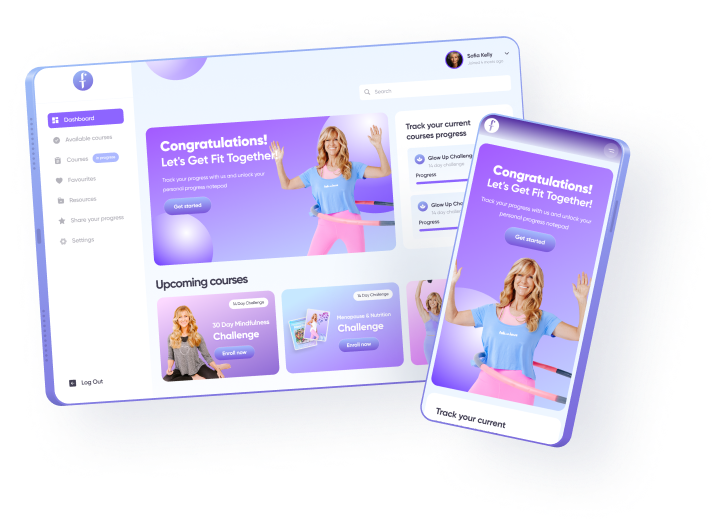
Want even more support? Check out the VitaliT app for midlife women, your hub for extended workouts, nutrition, brain training, face yoga, and new wellness tools like tapping. It’s all based on the same plan as this challenge: strength, cardio, balance, and mobility. Start your 14-day free trial and feel the difference.