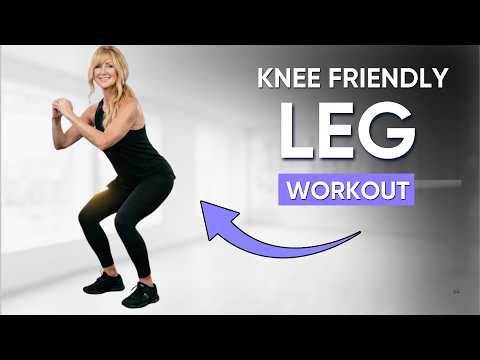
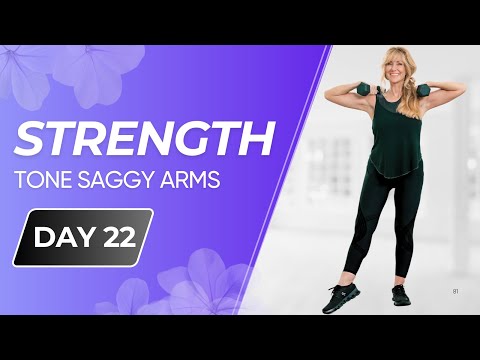
Welcome to Day 22, today we’re building upper body strength for women over 50, and all you need is a set of dumbbells. This is the kind of workout that makes everyday life feel easier: lifting bags, reaching overhead, carrying laundry, pushing a heavy door, and standing taller without that “rounded shoulders” feeling.
Upper body training is also about confidence and independence. When your shoulders, arms, and upper back get stronger, your posture improves and you feel more stable, especially when you’re moving quickly or catching yourself if you lose balance.
That’s why this session ties beautifully into your bigger goal: staying strong, steady, and capable as you age.
Why Upper Body Strength for Women Over 50 Matters So Much
Building upper body strength for women over 50 supports more than “toned arms.” It strengthens the muscles that hold you uprigh such as your shoulders, upper back, and core, so your posture doesn’t slowly collapse forward over time.
It also helps protect your joints because stronger muscles do more of the work. That means less strain on your neck, shoulders, and wrists when you’re lifting, pulling, reaching, or carrying. The goal isn’t to lift the heaviest weight in the room, it’s to keep your body working well for you.
What You Need for This Upper Body Strength Workout
You’ll need a set of dumbbells, and it helps to have two options: one lighter pair for shoulder raises and precision work, and a heavier option for moves like triceps and curls.
A simple rule from this workout is perfect: if the last couple of reps feel hard (but still controlled), you’ve picked the right weight. If you finish and could easily do more, it’s a sign to go slightly heavier next time.
That’s how upper body strength for women over 50 builds: gradual, and steady progress.
Overhead Press Ladder
This workout starts with a fun ladder: single, single, double overhead press. Pressing overhead strengthens shoulders and arms, but it also trains your core to stabilize your spine, especially important when you’re lifting anything over your head.
How to do it: Bring elbows to shoulder height with dumbbells in a “goalpost” position. Press one arm up, lower back to shoulder height, press the other arm up, lower, then press both arms up together. Keep your ribs from flaring and think “tall and strong” through your torso.
Why it helps: Overhead pressing supports posture and everyday strength, like placing things on shelves or lifting a suitcase. Done with good form, it’s a powerful way to build upper body strength for women over 50 without complicated moves.

Alternate Front Raise
Front raises target the front of your shoulders and teach your body to lift with control rather than momentum. They also demand core stability, because the moment you lift weight in front of you, your body wants to lean back.
How to do it: Stand tall, brace your core, and lift one dumbbell to shoulder height. Pause briefly, then lower with control. Switch arms. Keep the movement smooth, no swinging, no shrugging.
Why it helps: Strong front delts improve your ability to reach and lift in daily life, and they contribute to a more supported, upright posture, key for upper body strength for women over 50.
Shoulder Hold + Slow Lower
This is where you really build endurance and control. Holding at shoulder height and lowering slowly makes light-to-moderate weights feel intense in the best way, because your muscles stay under tension.
How to do it: Raise dumbbells to shoulder height. Hold for a count of two, then lower slowly to a count of three. You’ll do 10 reps, and the final reps should feel spicy. If the last 2–3 reps are a challenge, you nailed your weight choice.
Why it helps: Slow lowering builds strength and joint control, which is especially valuable for shoulder health. It’s a smart, safe way to build upper body strength for women over 50 without relying on heavy weights.
Core + Shoulder Precision Raises
This move combines shoulder work with deep core control. The tip from the workout is spot-on: go lighter and focus on form. Precision beats speed every time here.
How to do it: Keep your core held tight, arms straight, and movements small and controlled. Avoid twisting or rocking through the torso. If you feel your body swinging, your weights are too heavy.
Why it helps: This builds the “quiet strength” that protects your spine and improves balance. Strong shoulders plus a steady core is a perfect recipe for better posture and safer movement as you age.
Overhead Triceps Extension
Triceps work is essential for upper body strength for women over 50 because the triceps help with pushing, getting up from chairs, and supporting your arms in daily tasks.
How to do it: Hold one dumbbell overhead with both hands. Engage your core, keep elbows close to your ears, and lower the weight behind your head slowly. Then press back up with control. If it feels stable, you can try a heavier weight here.
Why it helps: Strong triceps support your shoulders and elbows and can help your arms look firmer over time. More importantly, they help you stay independent such as pushing up, lifting, and carrying confidently.
Hammer Curl for Strong Biceps
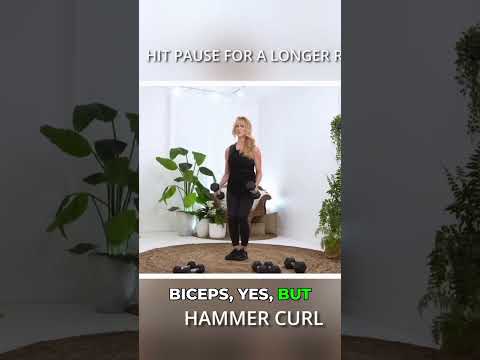
Hammer curls train the biceps and forearms with a neutral grip (palms facing in). They’re great for grip and carry strength, which matters more than we realize.
How to do it: Curl dumbbells up to shoulder height with palms facing each other. Hold briefly, then lower slowly to a count of four. That slow lower builds serious strength.
Why it helps: These support daily lifting (bags, laundry baskets, groceries) and strengthen the arms in a very joint-friendly position, perfect for upper body strength for women over 50.
Combo Side + Front Raises
This combo hits the shoulders from two angles and challenges coordination. It’s also a moment where lighter weights are your best friend, because form matters more than load.
How to do it: Raise one arm out to the side while the other lifts to the front, then alternate. Keep shoulders down, core tight, and avoid swinging through the torso.
Why it helps: Training your shoulders in multiple directions builds stability and supports posture. It also helps keep your shoulders strong and functional through hormonal changes that can affect muscle mass and joint comfort.
Upright Row to Chest
This move targets upper back and shoulders, helping you stand taller and feel stronger through the upper body. The cue is important: lead with elbows, not hands.
How to do it: Pull dumbbells up toward your chest with elbows traveling upward. Hold for one, then lower slowly to a count of three. Keep it controlled and avoid shrugging up toward your ears.
Why it helps: A stronger upper back supports neck comfort and posture. When you build upper body strength for women over 50, posture work like this is a must.
Arm Pulses Burnout
The final burn: pulses. No weights, just time under tension. This is where you build shoulder endurance and that “I can do hard things” feeling.
How to do it: Arms out wide, keep them lifted, and pulse. Your shoulders will talk to you, breathe and stay steady.
Why it helps: Endurance keeps your shoulders strong for real life, not just one perfect rep. It’s a simple finisher that makes this upper body strength for women over 50 workout feel complete.
Final Thoughts
This Day 22 session builds upper body strength for women over 50 with smart, controlled moves that support posture, confidence, and independence. Keep tracking your progress, and if you still have energy, repeat the workout for a full 20-minute upper body session.
Free 28-Day New Year Activation Challenge
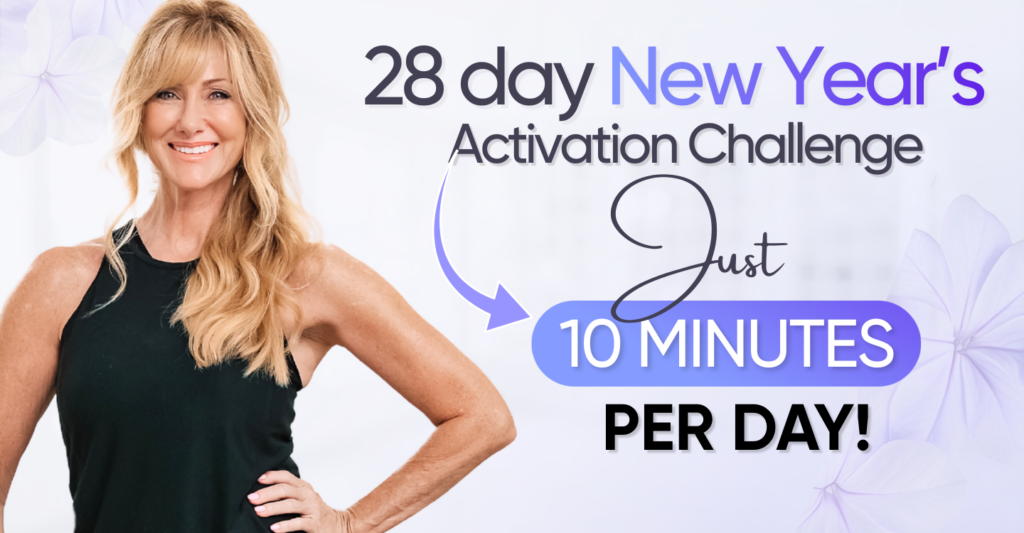
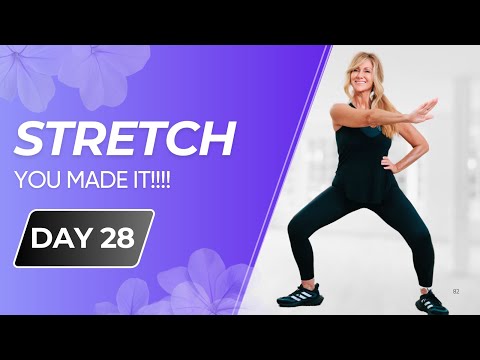
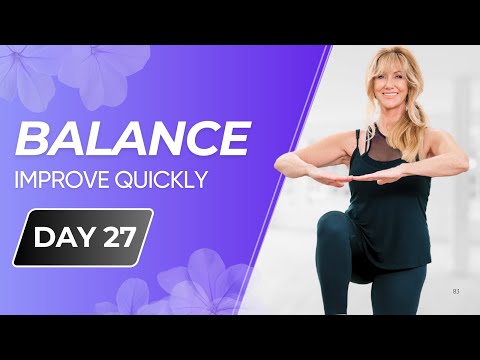
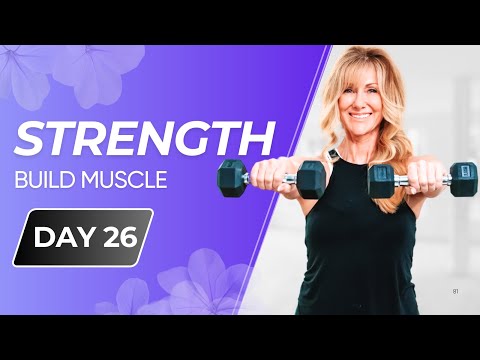
This workout is Day 22 of the Free 28-Day Activation Challenge, designed specifically for women in midlife who want to feel stronger, more energized, and confident in their bodies.
Each day includes a targeted 10-minute routine that fits easily into your schedule and helps build long-lasting healthy habits. If you’re just joining in, it’s never too late to start!
- Day 1: 10 Min Full Body Strength for Women Over 50: How to Start
- Day 2: Does Walking Burn Fat Over 50? This 8-Minute Workout Proves It
- Day 3: 10 Minute Workout to Tone Flabby Arms & Build Upper Body Strength
- Day 4: 10 Minute HIIT Workout to Burn Fat & Boost Energy Over 50
- Day 5: Full Body Strength Workout to Tone & Build Lean Muscle Over 50
- Day 6: How to Improve Balance After 50: 8 Min Balance & Stability
- Day 7: 8 Min Full Body Stretch to Release Joints & Lower Cortisol
- Day 8: Upper Body Strength for Women 50+ Chest, Shoulders & Triceps
- Day 9: Why This 8 Minute Walk Works Better Than Regular Cardio
- Day 10: Why This 10 Min “Pull” Routine Works Better Than Posture Correctors
- Day 11: Belly Fat Blasting HIIT Workout for Women Over 50
- Day 12: This Dumbbell Workout Builds Stronger Legs in 10 Minutes
- Day 13: You Need To Try This 8 Minute Balance workout Over 50
- Day 14: Do This 10 Min Stretch to Stop Waking Up Stiff & Aching
- Day 15: 10-Minute Standing Abs to Burn Belly Fat
- Day 16: Do This 10 Minutes Walk to Burn Calories All Day
- Day 17: 10 Minutes Strength Workout to Build Muscle Fast After 50
- Day 18: 10-Minute Beginner HIIT Workout to Get Fit & Burn Fat Fast
- Day 19: Do This 10 Min Full Body Strength Workout to Feel Stronger After 50
- Day 20: 10-Minute Balance Workout To Stay Young And Spritely
- Day 21: 10-Minute Total Body Stretch to Fix Stiff Hips & Aching Joints
You can track your progress, stay motivated, and be part of a supportive community that’s cheering you on every step of the way.
FAQs: Upper Body Strength for Women Over 50
A great goal is 2–3 times per week, with at least a day of rest between strength sessions. This supports muscle, posture, and joint health without overdoing it.
Shoulders are smaller muscles and raises keep your arms far from your body (a longer “lever”), which makes even light weights feel heavy, especially when you add holds and slow lowering.
It can be, but it depends on the cause. Try lighter weights, a smaller range of motion, and keep ribs down and core tight. If you get sharp pain, pinching, or worsening symptoms, swap it for a pain-free move and consider professional guidance.
Keep shoulders down away from your ears, soften your grip, and think “long neck.” If you feel your neck taking over, lower the weight and slow the reps.
Work within a comfortable range (even halfway), or swap overhead work for front raises, lateral raises, or a chest-level press. Comfort first, progress comes from consistency.
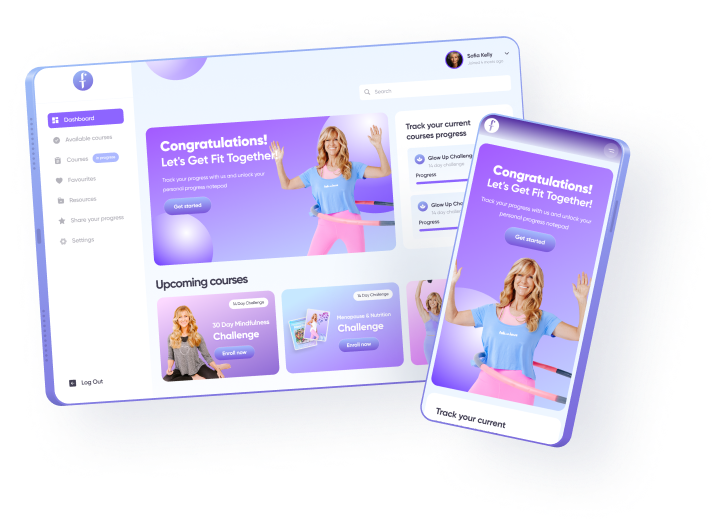
Want even more support? Check out the VitaliT app for midlife women, your hub for extended workouts, nutrition, brain training, face yoga, and new wellness tools like tapping. It’s all based on the same plan as this challenge: strength, cardio, balance, and mobility. Start your 14-day free trial and feel the difference.