The page you requested could not be found.
You might be interested in exploring our Blog.
There is a space where the confusion stops and the clarity begins. Where you finally understand what’s happening in your body and what you can actually do about it. That space is right here.
Menopause is one of the biggest transitions a woman’s body goes through, and most of us were never properly prepared for it. That’s exactly why I created this space. Not to overwhelm you with information, but to give you a clear, honest, and compassionate guide to what’s actually happening in your body and what you can genuinely do about it.
I’m Schellea, and I’ve been through this myself. I know what it feels like to wake up at 3am drenched in sweat, to look in the mirror and not recognise yourself, to feel like your body is working against you. I also know what it feels like to come out the other side feeling stronger, more energised, and more confident than I did in my 40s.
That is possible for you too. Science is on your side, and so am I.
Start with whatever symptom or topic feels most relevant to where you are right now. Every small step counts, and every gentle choice you make for yourself builds strength over time.
Sometimes the most helpful thing is hearing the facts explained with warmth and simplicity. In this video, Schellea breaks down what happens during menopause, helping you understand your body, recognise common changes, and feel less alone as you move through this season of life.
Schellea covers the questions women are actually asking about menopause, explores what the research shows, and shares the small, consistent habits that genuinely support how you feel.
More Menopause videos from Schellea
Menopause workouts, wellness guides, nutrition tips, and honest conversations about symptoms, designed for women over 50.
Stage 1
The transition phase when hormone levels begin to fluctuate

Stage 2
12 months without a menstrual period with 1 day milestone

Stage 3
The years following menopause

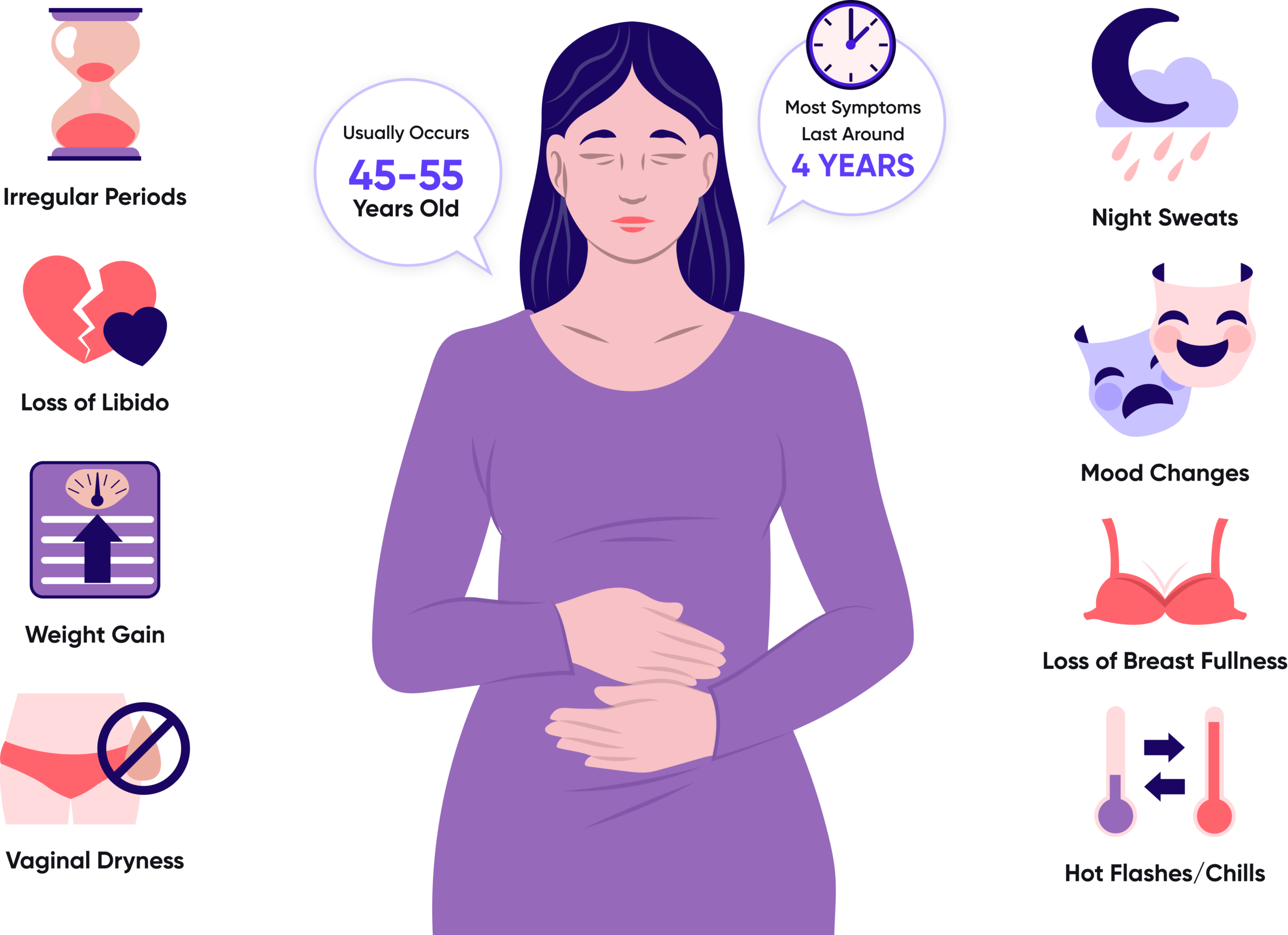
Most of the changes you’re experiencing trace back to one thing: your hormones are shifting significantly. Estrogen and progesterone begin to decline during perimenopause and continue dropping through menopause and beyond. This affects your brain, metabolism, sleep, skin, and the way you handle stress.
Understanding what your hormones are doing gives you real power over how you respond. When you know why you’re waking at 3am or why your memory feels foggy, it stops feeling like something is wrong with you.
Learn how hormones change in menopause
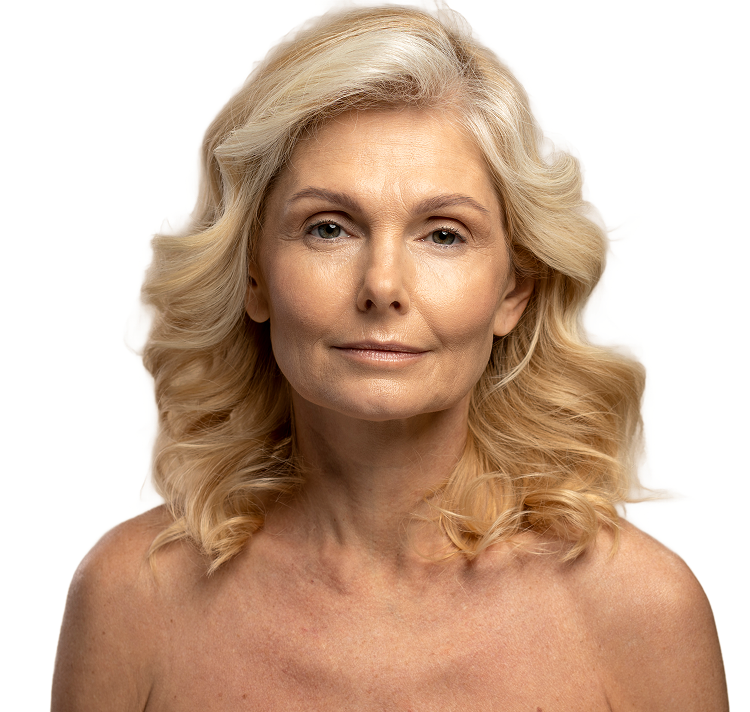
After menopause, heart disease becomes the leading health risk for women. Estrogen has been quietly protecting your cardiovascular system for years. When it drops, that protection reduces and your cholesterol, blood pressure, and vessel flexibility all shift.
Your lifestyle choices at this stage can make a BIG difference. Regular exercise, whole foods, and managing stress are genuinely powerful tools. You don’t have to accept increased risk as inevitable.
Learn how menopause affects your heart health

If you’ve been feeling more anxious, tearful, or disconnected from yourself in ways you can’t explain, this is one of the most common and least talked about experiences of menopause. When estrogen drops, it directly affects serotonin and dopamine, the brain chemicals that regulate your mood.
This is not a personality change. It is a hormonal one, and it is temporary. With the right support and understanding, most women come through this feeling more grounded and self-aware than ever before.
Explore menopause mental health and wellbeing

Changes to your hair, skin, and eyes during menopause are real and common, but they are also very much something you can respond to. Falling estrogen affects collagen production, which means skin can feel drier and less elastic than it once did. Hair may become finer and eyes can feel drier too.
Small, consistent choices around skincare, nutrition, hydration, and movement compound over time in ways that are genuinely visible. You can look and feel wonderful at this stage of life.
Discover menopause hair, skin and beauty tips
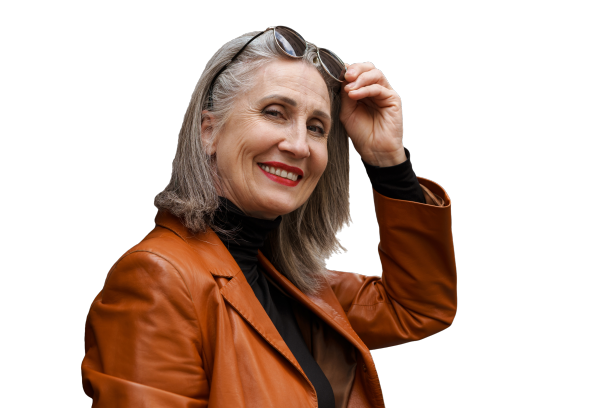
Written by trusted health professionals to help you navigate menopause with clarity and confidence.



Schellea Fowler is a Certified Personal Trainer and Neuro Athletics Coach specialising in exercise for older adults, and the creator of The Fabulous50s Longevity Protocol™.
She built the Protocol out of her own decade of living through menopause, an osteoporosis diagnosis, and the body changes that come with age, after finding no program that actually fit this stage of life. Her approach flips the script most women are handed: instead of focusing on what they are losing, chiefly weight, she trains women to gain. Gain back bone, muscle, fitness, mobility, balance, and confidence. It is a five-pillar training system that slots easily into the average woman’s week, with a longevity test for each pillar so you can see where you are strong, where you are weak, train for it, and retest. Following her own diagnosis, Schellea did exactly that, rebuilding bone density, strength, and mobility and lowering key biological age markers.
Today, through Fabulous50s, she has helped millions of women across the world build strength, mobility, and confidence, evidenced by tens of thousands of comments from women who have done the training and seen the results.