

The page you requested could not be found.
You might be interested in exploring our Blog.
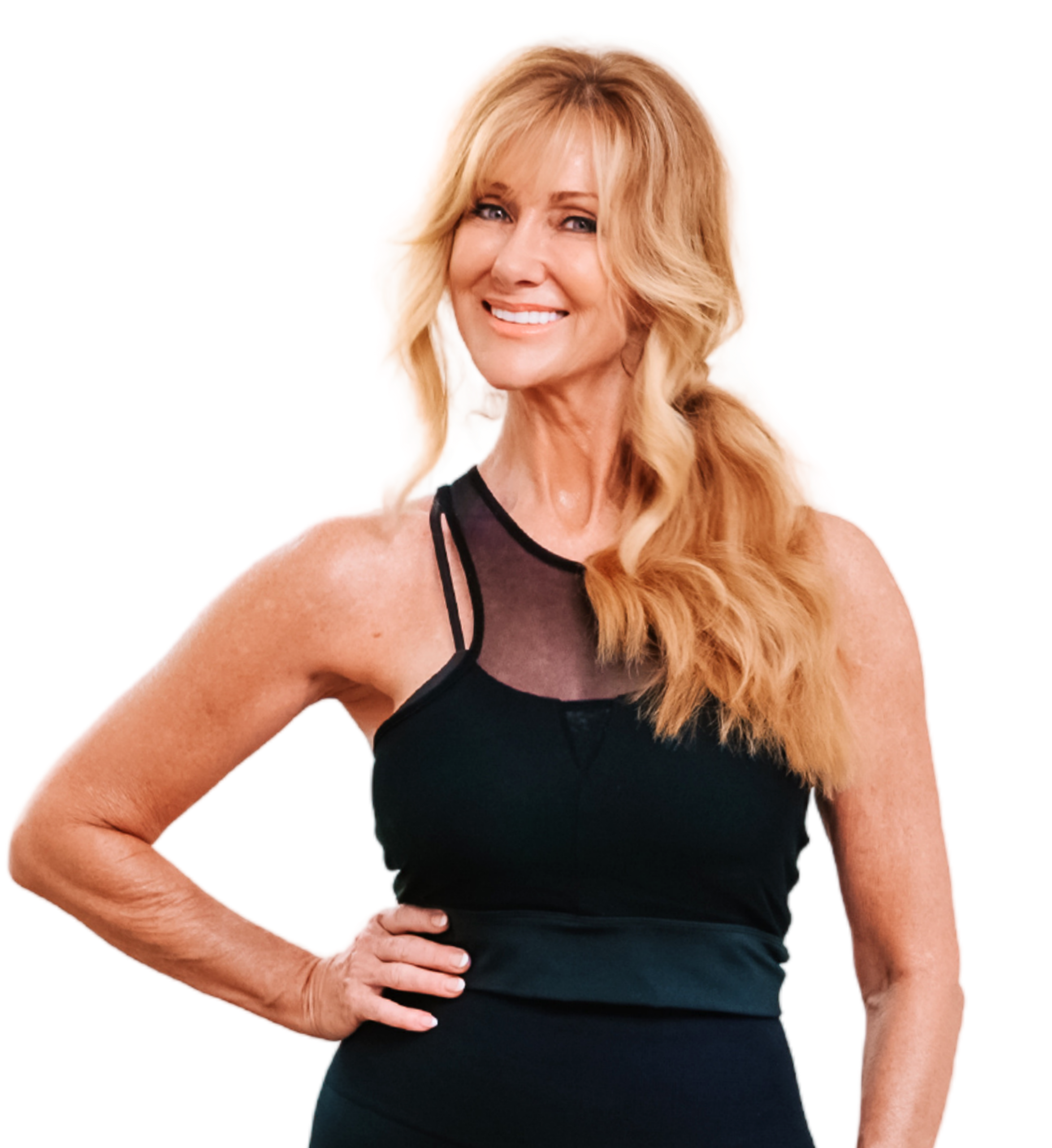
Schellea Fowler
Founder of Fabulous50s and Vitality App
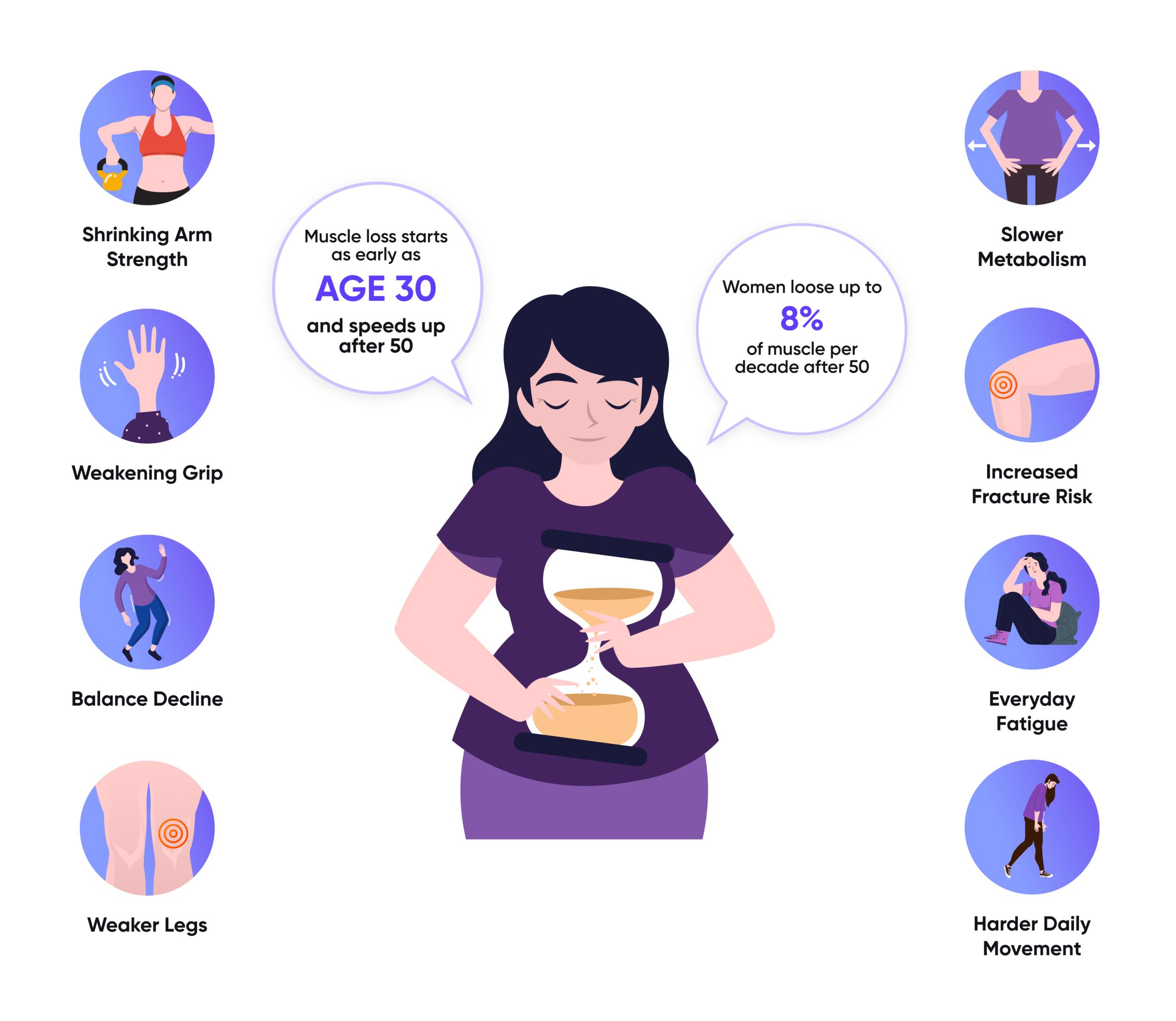
Strength is what lets you carry, lift, climb and rise up out of a chair without a second thought. From our 30s we slowly lose muscle, and after 50 it speeds up, faster still for women through menopause as estrogen drops.
We can lose 5 to 10% of our muscle each decade, and our strength fades even quicker. It’s completely natural, and it happens to all of us. But muscle responds at any age. Women in their 50s have built real strength training just twice a week. That’s why I encourage every woman over 50 to see strength training as a non-negotiable.
As a personal trainer, I’ve been teaching it for almost a decade, and I’ve been doing it myself for thirty years. We lift weights to build muscle, and muscle is the key to longevity. The less muscle we have, the faster we age.
But … You can have all the education in the world and all the theory, yet until you live through something yourself, you don’t truly know it. You believe it because you’ve read it, not because you’ve felt it. Strength training only took on its full meaning for me when I lived through my own menopause, through osteoporosis, and through that decade between 50 and 60 when I started to notice the loss firsthand.
Because you can see it and feel it.
You notice your skin starting to sag. You feel not quite as strong as you were. If you stop training even for a while, it shows up surprisingly fast. So, it was really in my mid to late fifties that it all clicked, not as theory anymore, but as something I was living.
As she got older, she became very frail, and I didn’t fully understand it until I reached the age I am now, almost 60. Frailty creeps up on you. You don’t see it all at once. It shows up in how you move. I noticed my mum starting to hold onto things as she walked and pushing up from the armrests when she stood from a chair. She simply didn’t have the muscle strength anymore.
And here’s the thing. She was active. She swam, she did her yoga, she kept moving. But she never did any strength training, and she didn’t eat much protein. She was a lot like me in that way. Being active and deliberately building muscle are not the same thing, and that difference is everything as we age.
That’s exactly why strength is one of the pillars of the Fabulous50s Longevity Protocol.
The Fabulous50s Longevity Protocol™ begins with Movement. Ten minutes a day is our MVP, the minimum that keeps you young. Those ten minutes cover the Fabulous50s Five Pillars of Longevity™: strength, cardio, balance, power and mobility.
Three Supporting Elements hold that movement up. Nutrition brings the protein, fibre, minerals, carbohydrates and fats that keep your muscle, bone and energy strong. Recovery is your sleep, your meditation, your community and your kindness towards yourself. Brain Training is five focused, repeatable games that keep your mind sharp.
Strength training becomes more meaningful when we connect it to what we want our bodies to keep doing. Choose the area that feels most relevant to you today.
Learn how muscles change after 50, recognize early signs of muscle loss and begin giving your body a reason to stay strong.
Explore strength exercises that support the muscles, posture and movement patterns surrounding your bones.
Begin with bodyweight exercises, light dumbbells or resistance bands and progress as your technique and confidence improve.
Build the strength that helps you carry shopping, lift luggage, move household objects and manage daily activities with greater confidence.
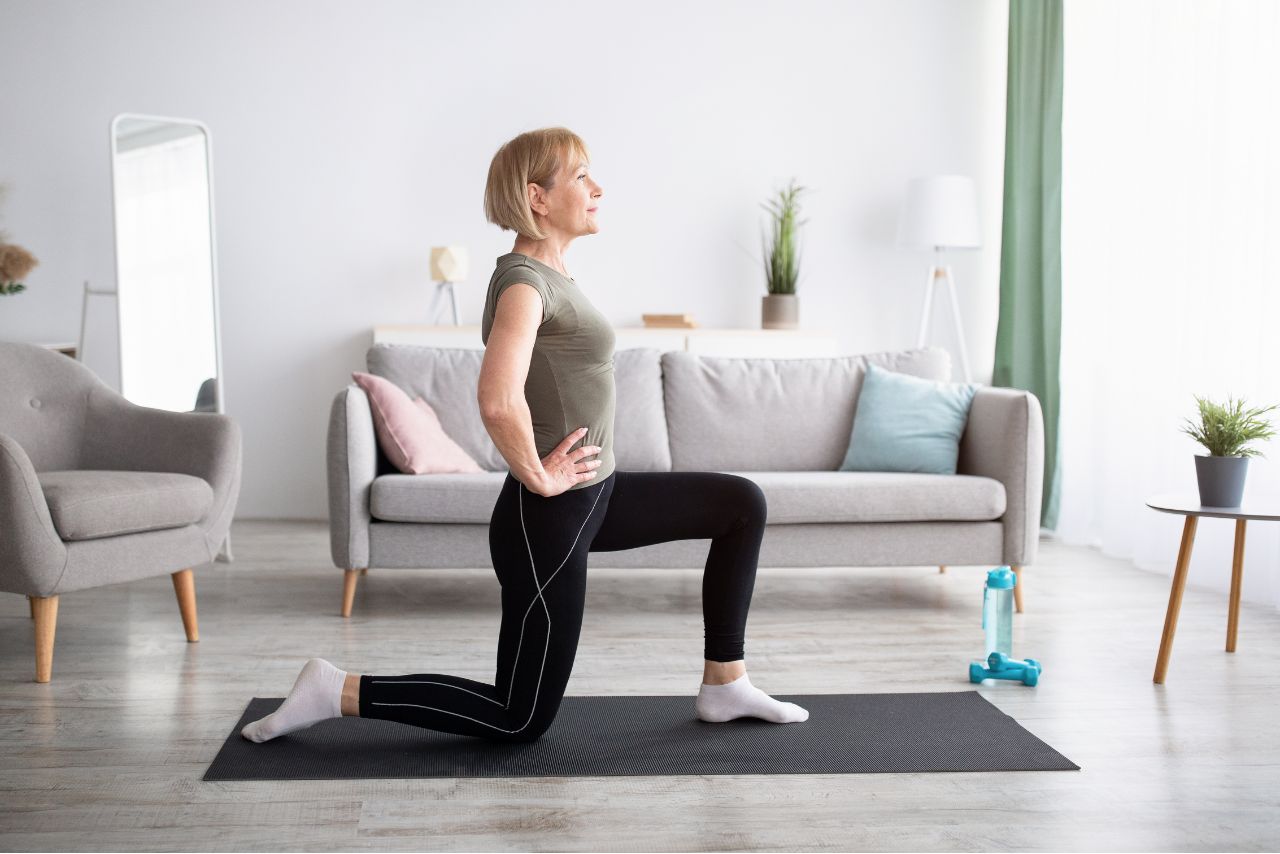
Train the legs, hips and core muscles that help you lower, rise and support your own bodyweight.
Begin with simple, beginner-friendly guidance that helps you learn the movements, choose the right resistance and progress safely.
Strengthen your arms, shoulders and upper body with controlled dumbbell exercises that also support everyday lifting and carrying.
Understand why strength can change after 50 and learn how to rebuild muscle, confidence and everyday capability.
The best way to understand strength training after 50 is to actually move through it. Press play, follow along at your own pace, and feel what even a short session can do for your body. Fabulous50s strength workouts are designed for women over 50 and safe for beginners.
A follow-along session you can do right from home. Schellea walks you through each move, shows easy modifications, and reminds you that every rep is a vote for a stronger future self. Press play when you have the time, pause when you need to, and meet your body where it is today.
More Menopause videos from Schellea
Strength workouts, recovery tips, and honest conversations about muscle loss, designed for women over 50.
Stage 1
From your 30s onward, muscle mass decreases about 3 to 8 percent per decade. Most women do not notice it because daily life feels the same.
Stage 2
Stage 3
Without strength training, muscle loss continues and can progress to sarcopenia, which affects independence, balance, and long-term health. But this stage is preventable and often reversible.
Written by trusted health professionals to help you navigate menopause with clarity and confidence.
Use twenty focused minutes to challenge your muscles, practise functional movements and build whole-body strength at home.
A complete introduction to building a safe, balanced and sustainable strength-training routine after 50.
Learn the essential principles for choosing exercises, protecting your form, allowing recovery and making steady progress.
Focus on four practical movements that train the muscles used for lifting, carrying, standing and moving through daily life.
Learn how tempo, repetitions, exercise selection and progressive resistance can challenge muscles without beginning with heavy dumbbells.
Understand how women’s bodies respond to resistance training and why lifting weights is more likely to support strength and shape than unwanted bulk.
Learn how greater awareness, control and muscle activation can help you get more value from every repetition.
Menopause changes the environment in which we build and maintain muscle. These guides explain how strength training can support muscle, bones, posture and confidence during this stage of life.
Explore how regular strength work can become part of a complete approach to movement, energy, confidence and menopause wellbeing.
Understand the principles of safe resistance exercise when bone health requires additional care and individual guidance.
Learn how menopause affects bone health and how strength, nutrition and appropriate loading work together.
A balanced dumbbell workout that helps women maintain muscle and feel stronger during and after menopause.
Recognize the everyday changes that may suggest your muscles need more regular resistance and nourishment.
Explore how inactivity, low protein intake, poor recovery and changing hormones may influence muscle maintenance.
Understand why muscle becomes harder to maintain and how resistance training, nutrition and recovery help rebuild it.
Set realistic expectations for muscle growth and learn why steady progress remains valuable at every age.
Bring together resistance training, progression, protein and recovery in a practical plan for becoming stronger.
Challenge the entire body with controlled dumbbell exercises that support gradual muscle development.
Strength training gives the muscles a reason to adapt. Protein provides the material they need for repair and maintenance. These guides help women connect their workouts with daily nutrition habits.
Notice the meal patterns and protein habits that may make preserving muscle more difficult.
Learn how protein supports muscle recovery and how to distribute protein more consistently throughout the day.
Learn how daily protein needs change with activity level and discover practical ways to include enough protein to support muscle, energy and recovery.
Written by trusted health professionals to help you navigate menopause with clarity and confidence.
The muscles we build today become a physical reserve for the decades ahead. They support us when we travel, recover from illness, manage a demanding day or face a period when activity becomes more difficult.
Strength also builds self-trust. Each time we practice a movement and notice it becoming easier, we receive proof that our bodies can adapt.
By the time many women reach menopause, they may be managing aching joints, reduced energy, lower confidence, disrupted sleep and years without structured exercise.
A complete strength approach begins by rebuilding the body that can lift. We practise movement, balance, mobility, coordination and good technique. We nourish the body, prioritise recovery and gradually create the confidence to do more.
Heavy lifting does not have to be the starting point. It can become the destination as the body grows stronger, steadier and more prepared.
Strength training is sometimes presented as a gym goal. At Fabulous50s, we connect it to the movements that help us remain confident and independent.
Pick up shopping, household objects and grandchildren with greater confidence.
Manage luggage, laundry and daily essentials without depending on someone else.
Stand from a chair and get up from the floor using the strength of your own body.
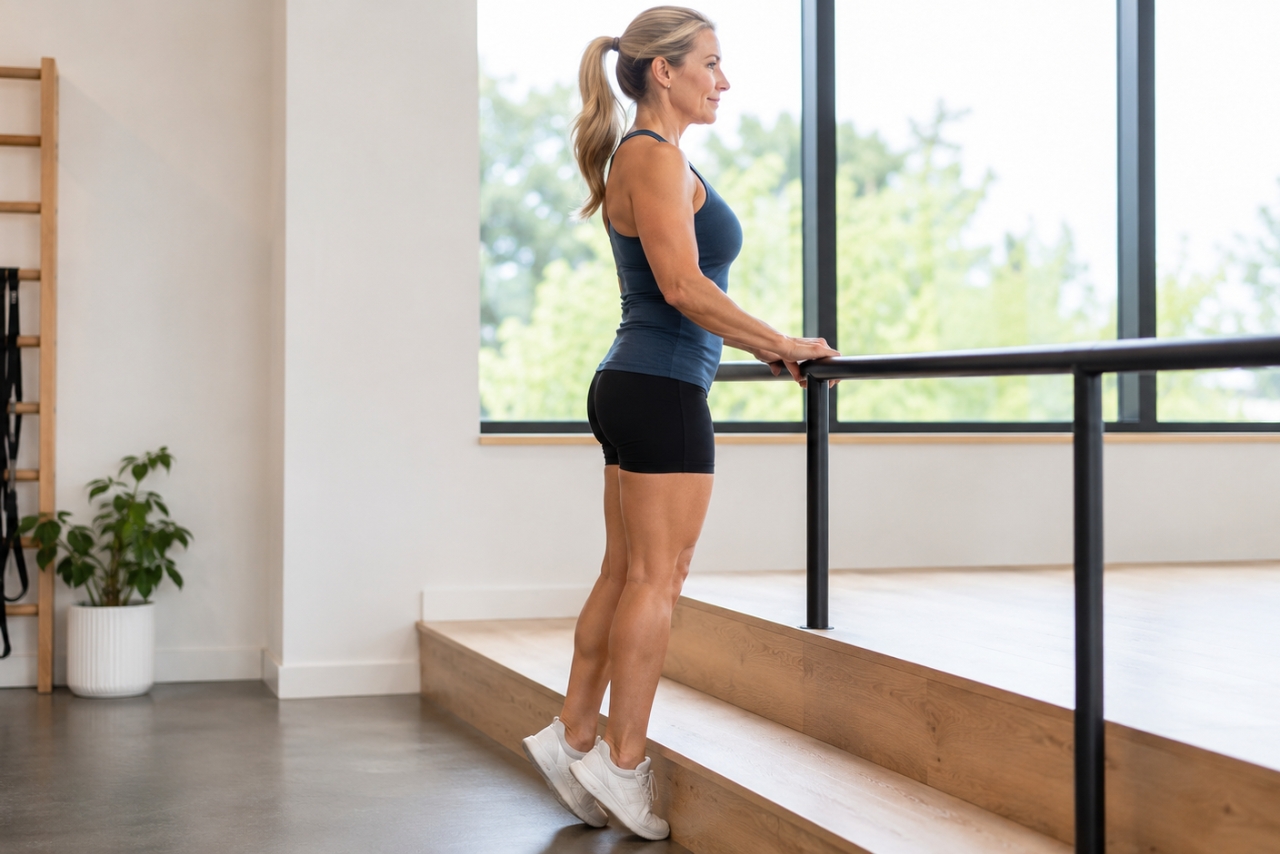
Use your legs and hips to walk uphill and move confidently from one stair to the next.
Heavy lifting can be a valuable destination, but it does not need to be the first step. The starting point is learning to move well and creating a challenge that matches your current strength.
Begin with supported sit-to-stands, wall push-ups, bodyweight squats and other controlled patterns.
Introduce light dumbbells, resistance bands or slower, more deliberate repetitions.
Choose resistance that allows good technique while making the final repetitions feel challenging.
Increase the resistance only when you can maintain control without swinging, twisting, leaning or compensating.
Schellea (Shelly) Fowler is the creator of the VitaliT app and founder of Fabulous50s, a global wellness platform supporting millions of women through midlife and menopause. A qualified personal trainer specializing in exercise for older adults, a Human Performance Coach (NACC), and a meditation and life coach, her work is grounded in science-backed approaches to healthy aging.
What sets Schellea apart is lived experience. She understands firsthand the physical, emotional, and hormonal shifts of menopause — from fatigue and brain fog to weight gain and feeling disconnected from your body. VitaliT was created to be the support she wished she had: practical, empowering, and designed to help women feel strong, confident, and supported through every stage of midlife.
Schellea Fowler
Founder of VitaliT · Human Performance & Menopause Coach
Frailty creeps up on you. You don’t see it all at once. It shows up in how you move. I noticed my mum starting to hold onto things as she walked. She pushed up from the armrests when she stood from a chair. She simply didn’t have the muscle strength anymore.
From our 30s we slowly lose muscle, and after 50 it speeds up. Faster still for women through menopause, as estrogen drops. We can lose 5 to 10% of our muscle each decade, and our strength fades even quicker. It’s completely natural, and it happens to all of us.
No, but it becomes easier due to hormonal and metabolic changes. Strength training, protein intake, and daily movement help maintain a healthy weight.
Strength training supports a healthier metabolism, and muscle tissue burns more calories at rest than fat tissue. Combined with protein-focused nutrition, it is one of the most effective approaches to belly fat after 50.