Staying steady on your feet after 50 is about independence, freedom, and feeling safe in your own body. Many women notice that their balance isn’t what it used to be. Maybe you catch yourself reaching for walls, feeling unsure on stairs, or worrying about slipping in the bathroom or on uneven ground. A simple fall can quickly change your life, so it makes sense to want to feel more stable, stronger, and secure.The good news is that balance is a skill you can train at any age
You don’t need a gym, fancy equipment, or long workouts. Just a few focused exercises can help your muscles, joints, and brain work together so you feel more grounded and less wobbly. That’s exactly what this gentle balance training for fall prevention after 50 is designed to do.
This daily routine helps reduce fall risk, enhances coordination, builds stabilising muscle strength, and supports long-term mobility. No equipment needed. Perfect for beginners to intermediate fitness levels.
Key Takeaways: Balance Exercises for Fall Prevention
- This balance training for fall prevention after 50 uses 7 simple exercises, done for 45 seconds with 15 seconds rest, so it suits beginners and active women.
- Every move helps your hips, ankles, and core get stronger, which supports your joints and reduces your risk of falls.
- The workout includes cross-body and single-leg moves that train your brain and muscles to react quickly if you trip or lose balance.
- You can do the entire routine in a small space at home, with no equipment, holding a chair or wall for support if needed.
- Practicing these exercises 2–4 times a week can support better posture, confidence when walking, and long-term mobility as you age.
What Is Balance Training and Why Does It Matter After 50?
After 50, balance is not just “a nice extra.” It becomes a core part of healthy aging. Balance training means doing movements that challenge your body to stay steady while you stand, walk, twist, or move your limbs.
Hormone changes, joint stiffness, weaker muscles, and changes in vision can all make you feel a little less secure on your feet. Even simple things like turning quickly, stepping off a curb, or walking on uneven ground can feel risky. That is why specific balance exercises can make such a big difference.
When you train your balance, you are not only working your muscles. You are training your brain and nervous system to react faster, correct your posture, and stop a small stumble from turning into a fall. This is a powerful way to protect your independence and move with confidence as you age.
READ ALSO: 10 Reasons Why Women Over 50 Are Prone to Falls
How Does This Balance Workout Support Longevity?
This workout is designed for women over 50 who want to prevent falls, stay active, and protect long-term mobility. You will perform seven exercises, each for 45 seconds, followed by a 15-second rest. The pace is slow and controlled, with a strong focus on posture and breathing.
The routine helps with longevity in three main ways:
- Muscle Strength: You build strength in your hips, legs, and core, which are essential for walking, climbing stairs, and staying steady.
- Joint Stability: Slow, controlled movements help your joints stay more stable and supported. This can reduce the risk of twists or awkward landings.
- Brain–Body Connection: Cross-body actions and single-leg moves help the brain stay sharp and responsive, which is key for reacting quickly if you trip or slip.
You can use a chair, wall, or countertop for support at any time. The goal is not perfection. The goal is practice. Every little wobble is your body learning how to correct itself.
How Should You Set Up and Warm Up for This Workout?
You do not need a lot of space or equipment. Here is a simple way to prepare:
- Stand in a clear area, free of rugs, cables, or clutter.
- Keep a sturdy chair, wall, or countertop within arm’s reach.
- Wear comfortable clothing and supportive shoes, or go barefoot if that feels safe.
For a gentle warm-up, march on the spot for 1–2 minutes, roll your shoulders, and circle your ankles. This helps increase blood flow and lets your joints loosen up before you start the balance training for fall prevention after 50.
Step-by-Step 7-Minute Balance Workout Routine
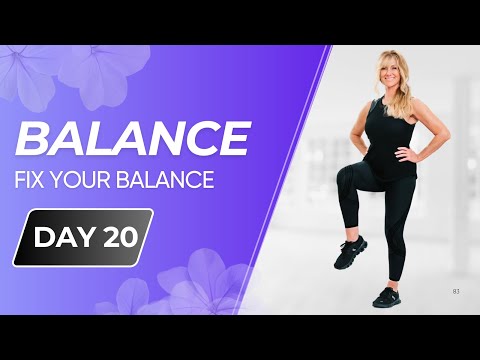
1. Slow Controlled March
The first exercise is a slow, controlled march. It looks simple, but it is powerful for your hips and balance.
How to Do It
- Stand tall with your shoulders relaxed and your feet hip-width apart.
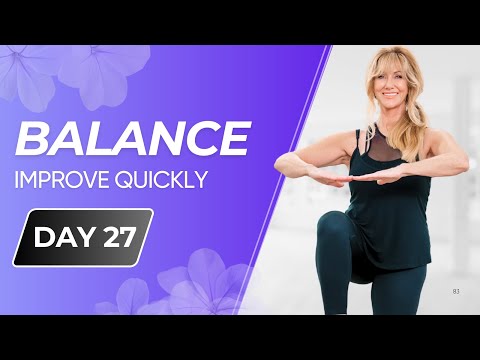
- Slowly lift one knee up toward your hip, as if you are marching in slow motion.
- Pause for a moment at the top to hold your balance.
- Lower the foot back to the ground with control.
- Switch legs and repeat, moving slowly from side to side.
If you feel unsteady, place one hand lightly on a chair or wall. Keep your eyes forward and your chest lifted.
Slow marches train your hip flexors, glutes, and core, which all play a big role in walking and daily movement. Holding the knee up for a second challenges your balance in a safe way. Over time, this helps your body stay steady when you step off a curb, climb stairs, or change direction.
This kind of joint-friendly strength work supports your ability to stay active for many years. Strong, stable hips and a responsive core are key for long-term mobility and independence after 50.
2. Heel-to-Toe Balance With a Core Twist
This exercise looks like a balance line you might have walked as a child. It is called heel-to-toe balance with a twist.
How to Do It
- Stand with one foot directly in front of the other, as if you are standing on a tightrope.
- Your front heel touches the toes of your back foot.
- Soften your knees slightly so they are not locked.
- Wrap your arms gently around your body, like giving yourself a hug.
- Slowly twist your upper body to one side as you exhale.
- Return to center, then twist to the other side, keeping your feet in that heel-to-toe line.
If this feels too hard, move your front foot slightly to the side so your stance is a little wider. This still challenges your balance, just with more support.
You will repeat this on the other side by swapping which foot is in front.
This exercise trains ankle stability, core strength, and posture all at once. The heel-to-toe stance mimics walking on a narrow surface, which your body needs to handle in real life, like stepping on a narrow path or moving through a crowded space.
Adding the twist wakes up the core muscles and your spine, helping with rotational strength and flexibility. This combination supports your ability to turn, reach, and move without losing balance. These skills are essential for daily life and long-term stability.
Single-Leg Balance
Single-leg balance is one of the best ways to test and improve your stability. This move adds a side leg extension, which strengthens your hips and outer thighs.
How to Do It
- Stand tall and shift your weight onto one leg.
- Keep a soft bend in your standing knee to protect the joint.
- Lift the other leg slightly off the floor and extend it out to the side.
- Hold your core gently tight, like zipping up a pair of jeans.
- Draw the leg back toward the center without letting it touch the floor, if possible.
- Continue to extend out and draw in slowly for the full 45 seconds.
Use a chair or wall for support with one hand if needed. Then switch sides and repeat on the other leg.
This exercise strengthens the glute medius and other hip muscles that keep you steady when you walk, change direction, or stand on one foot. Strong outer hips reduce the risk of your knee collapsing inward and help your pelvis stay level.
Over time, this can support joint alignment, reduce strain on your knees and lower back, and protect you from missteps. Single-leg balance drills also train your brain and inner ear (your balance system) to stay calm even when you feel a little wobbly. That is a huge gift for your future self.
Cross-Body Ankle Taps
Now you bring in a cross-body pattern, which is wonderful for brain health and coordination. This exercise combines balance, mobility, and a gentle reach.
How to Do It
- Stand with your feet slightly wider than hip-width apart.
- Lift your right foot slightly and tap your right ankle with your left hand.
- Step that foot back out to the side as you reach the left arm up toward the ceiling.
- Return to standing and repeat, moving smoothly between the ankle tap and the overhead reach.
After 45 seconds, you switch sides and tap the left ankle with the right hand, reaching the right arm up.
Cross-body movements help your left and right brain hemispheres communicate. They train coordination, rhythm, and timing, which are all important for everyday tasks like walking, turning, and reaching for things.
You are also gently challenging your balance as you shift your weight from side to side, bend, and reach up. This keeps your joints moving, your muscles active, and your nervous system alert. These kinds of movements support healthy aging and may help you remain more agile as the years go on.
READ ALSO: 5 Minute Balance Exercises For Women Over 50
How Often Should You Do Balance Training for Fall Prevention After 50?
For most women over 50, 2–4 sessions of balance training per week can be very helpful. You can repeat this workout on its own or add it to the end of your usual walk, strength workout, or cardio routine.
Start with one or two rounds of the seven exercises. As you feel stronger and more confident, you can:
- Add a second round of the full sequence.
- Hold the single-leg positions a little longer.
- Use less support from the wall or chair over time.
Progress slowly and listen to your body. Feeling a bit wobbly is normal. Sharp pain, dizziness, or feeling unsafe is a sign to pause and speak with a health professional.
READ ALSO: Best Balance Exercises to Improve Your Stability and Coordination
What Should You Do After This Balance Workout?
After your balance training for fall prevention after 50, take a few minutes to cool down:
- Walk slowly on the spot and let your heart rate settle.
- Gently stretch your calves, hips, and lower back.
- Take three slow deep breaths, in through your nose and out through your mouth.
Notice how you feel: Do you stand a little taller? Do your feet feel more connected to the ground? This awareness helps your brain remember the session, making the benefits stronger each time you repeat it.
On days when you have more energy, you can follow this workout with a short cardio session or another balance-focused routine. On days when you feel tired, simply finishing this sequence is more than enough.
Final Thoughts
Balance is a skill, and skills can be trained at any age. This simple seven-exercise routine is not about keeping up with anyone else. It is about giving your body and brain regular practice so that you can walk, move, and live with more confidence.
Every slow march, heel-to-toe step, and cross-body tap sends a message to your future self: “I am looking after you.” Balance training for fall prevention after 50 is one of the kindest gifts you can give your body.
Start where you are today, hold on to a chair if you need to, and let each session build strength, stability, and peace of mind for the years ahead.
FAQs: Balance Training for Fall Prevention After 50
How often can I do this balance workout?
You can safely do this balance workout two to four times a week. Some women enjoy adding a few of the exercises daily as “mini balance breaks,” such as practicing heel-to-toe walking in the kitchen or single-leg balance while brushing their teeth.
Is this workout suitable for complete beginners over 50?
Yes. The workout is designed with beginners and midlife women in mind. You can always hold a wall or chair, reduce your range of motion, or shorten the time if 45 seconds feels too long at first. The goal is consistent practice, not perfection.
Do I need any equipment for this balance training?
You do not need any special equipment. A sturdy chair, wall, or countertop is helpful for support. Comfortable shoes or bare feet on a non-slip surface are ideal. This makes the routine easy to do at home or even while traveling.
Can balance exercises really help prevent falls?
Balance exercises train your muscles, joints, and brain to work together. This improves reaction time, posture, and stability. While no workout can promise that you will never fall, regular balance training can lower your risk and help your body react better if you trip or slip.
What if I feel very unsteady or have a history of falls?
If you feel very unsteady, start with the easiest options: keep both feet on the ground whenever possible, use a chair or wall for support, and move more slowly. It is a good idea to speak with your doctor or physiotherapist before starting any new exercise program, especially if you have had recent falls or medical concerns.
Can I do this workout if I have osteoporosis or joint issues?
Many women with osteoporosis or joint pain can benefit from gentle balance training, because it supports muscle strength, posture, and joint stability. However, your situation is unique. Talk with your doctor, physiotherapist, or another qualified health professional before starting, and let them know the types of movements involved in this balance training for fall prevention after 50.
How long before I notice improvements in my balance?
Some women feel more aware and connected to their body after just a few sessions. With consistent practice over several weeks, you may notice that everyday tasks like walking, turning, or reaching feel easier and more secure. Progress can be subtle, so pay attention to small wins: fewer stumbles, smoother steps, and more confidence.