Ten minutes of swinging your arms sounds like it should do nothing at all. That was my assumption for years, and I was wrong. Ancient monk arm swings are the gentlest thing in my whole week. They are also the practice I would give up last. Nothing here is difficult, and nothing here is jarring.
The only real challenge is keeping your arms up longer than feels comfortable. We stand the whole time, and no equipment is needed. A small patch of floor is genuinely all you require. Give me ten minutes and your whole system will feel different.
Swing along with me here: Ancient Monk Arm Swings, 10 Minutes for Women Over 50
Who Were the Monks Behind This Practice?
The story is usually told something like this. A monk called Bodhidharma reached the Shaolin Temple in the sixth century. He found the resident monks weakened by long hours of seated meditation. So he gave them movements designed to change their muscles and tendons. We know that collection today as the Yi Jin Jing.
I love that story, and I want to be honest about it too. Historians date the surviving text to 1624, roughly a thousand years later. The Bodhidharma link is treated as legend rather than documented history. What is genuine is the Chinese lineage of daoyin, the old guiding and pulling exercises. Swinging the arms has belonged to that family for a very long time.
Most people today know the swinging version as Ping Shuai Gong. It was formalized last century by the Taiwanese qigong master Li Feng-shan. Ancient monk arm swings, therefore, rest on real tradition, wrapped in a lovely story.
READ ALSO: Arm Swing Exercise for Belly Fat, What a 2025 Study Found
Why Does Something This Gentle Do Anything?
Your nervous system rarely switches off during a normal day. Emails, traffic, hot flushes and worry keep the stress side switched on. Rhythmic movement is one of the oldest ways of switching it back down. The swing gives your brain a steady beat to settle into. Your breathing slows without being told to slow.
Your shoulders also loosen, which matters more than we admit after 50. Most of us carry tension across the upper back without noticing. The swing opens the chest and lets the shoulder move freely again.
Balance work is folded in too, so your body practices self-correction. That skill is what stops a wobble from becoming a fall. Ancient monk arm swings quietly train all of it at once.
What Are the Ten Swings in This Routine?
This ancient monk arm swings routine moves through ten different swings. A shake-out is taken between each one, so nothing tightens up. Stay soft at the knees for the whole way through.
Five swings that warm and loosen
Begin with a gentle swing, arms to shoulder height, then let them drop. Find the rhythm before you worry about anything else. Move into double arm swings, letting the arms fall rather than pulling them down. Dropping takes less effort than lowering, and your shoulders will thank you.
Take your arms wide next and tap each shoulder as you swing across. Feel them floating through the air rather than forcing them. Then swing up and out, to the center and the side. This is where your core switches on and your glutes engage. Grip your toes into the floor if you can manage it.
Finish this block by reaching up high, dropping, then rising up onto your toes. If you want to drop your arms, go slightly further than you think.
Two swings that train your balance
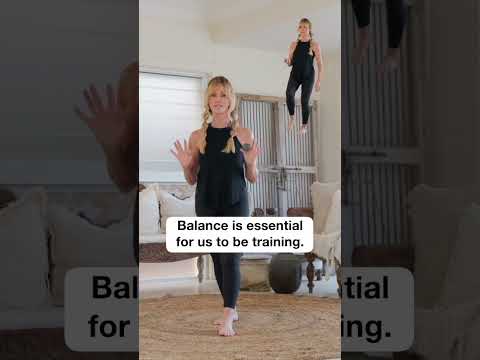
Now stand on one foot and keep the arms swinging. Put your foot down whenever you need, then pick it up again. Change legs and swing to the side this time. Let us not go for easy here, because easy teaches you nothing.
Everyone wobbles at first, including me. Wobbling is useful information about your balance. The better we balance, the easier it becomes to self-correct before a fall. Keep your core held in tight and your shoulders back.
Three swings that finish the set
Swing the arms and let them land as your torso twists. Your waist gets some welcome mobility through this one. Then bring your knees together, keep them soft, and take the arms up and down. Swing and drop, over and over, until the shoulders start to burn.
Close with shoulder raises, counted one, two, three, four. Double bounce your knees on the fifth beat. That four-plus-one rhythm was handed down as the traditional pattern. Count it out loud if that helps you hold the timing. Your energy should feel noticeably higher by the end.
EXPLORE MORE: Walking for Brain Health, Why It Is the Best Exercise For Your Brain
What Does the Research Actually Show?
The evidence behind ancient monk arm swings is better than you might expect. A 2025 systematic review pooled thirteen trials of arm swing exercise. Waist circumference was reduced by an average of 4.76 centimeters across those studies. Fasting glucose, HbA1c and diastolic blood pressure all improved as well. HDL cholesterol, the helpful kind, went up.
Two honest caveats belong with those numbers. The confidence interval around the waist figure is wide, so individual results vary enormously. Most participants also had conditions such as prehypertension or diabetes.
A separate trial followed adults aged 60 to 80 with prehypertension for three months. Their heart rate variability improved, which is a direct marker of nervous system balance. That finding is the one I care about most.
How Often Should We Swing?
Aim for around 20 minutes a day, four times a week, for the fullest benefit. The trials behind those results used 30 minutes, three days weekly. Ten minutes still counts, and it is what most of us will do. Try ancient monk arm swings first thing in the morning. The day has not had a chance to wind you up yet. Any time you have been sitting too long works just as well.
Think of this as an exercise snack rather than a whole meal. Do your main workout when you can, then drop little swings into the gaps. Everything is added to the bucket for the day. If you would like the full programme, it is waiting inside the Fabulous50s Vitality App.
READ ALSO: 15 Easy Ways to Improve Focus and Memory
Final Thoughts
The best exercises are ones you will still do in ten years. This one asks almost nothing of you and gives a great deal back. Ancient monk arm swings cost no money and need no space. They regulate, they loosen, and they quietly train your balance.
Finish by rolling your ankles and giving them some love. Then shake everything out and give thanks for the body you have. Aim to get a little bit better every single day.
Frequently Asked Questions
How long should I swing for?
Around 20 minutes on four days a week is the research-backed target. Ten minutes still helps, so start wherever you realistically can.
Did monks really invent this exercise?
The Bodhidharma story is tradition rather than proven history. The Chinese movement lineage behind it is genuinely very old.
Is this enough exercise on its own?
No, treat it as a supplement to strength and walking. Think of it as an addition rather than a replacement.
Will arm swinging reduce my belly fat?
Pooled trials showed an average waist reduction, though results varied widely. Treat it as a supporting habit, not a fat-loss plan.
Can I do this if my balance is poor?
Yes, keep both feet down for the balance sections. Stand near a wall or chair for reassurance.
What if I cannot keep my arms up?
Drop them, shake out, then lift again when ready. Each session your arms will stay up a little longer.