Three months ago, Joy (62) was diagnosed with polymyalgia rheumatica. Mornings felt stiff, and even getting up from a chair took extra effort. She began rotating through our gentle stretching videos and noticed a change: less stiffness, smoother steps, and more confidence—right alongside her anti-inflammatory eating plan. “Your calming playlists and beautiful spaces keep me going,” she shared. Stories like Joy’s are exactly why these hip mobility exercises matter.
If you’re feeling tight through your hips—or simply want to move with more ease—this 8-minute routine of hip mobility exercises is a simple, empowering place to start. Designed for women over 50, it’s joint-friendly, beginner-ready, and requires no equipment. Let’s help your hips (and your whole body) feel balanced, supported, and free.
Why Hip Mobility Matters More After 50
As we age, staying mobile isn’t just about comfort—it’s about independence. Your hips power everyday movement: walking, climbing stairs, bending to pick things up, and getting in and out of chairs or the car. When your hips move well, everything else becomes easier. That’s why regularly practicing hip mobility exercises can be a game-changer for energy, posture, and confidence.
Healthy hip motion also supports better balance. Research consistently shows that routines combining mobility, strength, and balance help reduce falls and fall-related injuries in older adults. If you’ve noticed feeling “rusty,” that’s normal—flexibility tends to decline with age—but the body remains wonderfully adaptable. With gentle practice, range of motion and comfort can improve at any stage of life.
What Makes These Hip Mobility Exercises So Effective?
They’re joint-friendly and whole-body. Mobility work is more than “stretching.” It’s controlled movement through comfortable ranges that nourishes joints and surrounding muscles. Done regularly, it supports balance and day-to-day function.
They’re short—so you’ll actually do them. Eight minutes is realistic on busy days. Add this mini routine to your morning, use it as a warm-up before walks, or wind down before bed.
They improve posture and confidence. The hips influence how your pelvis and spine stack. When your hips move better, you stand taller, walk smoother, and feel more at home in your body.
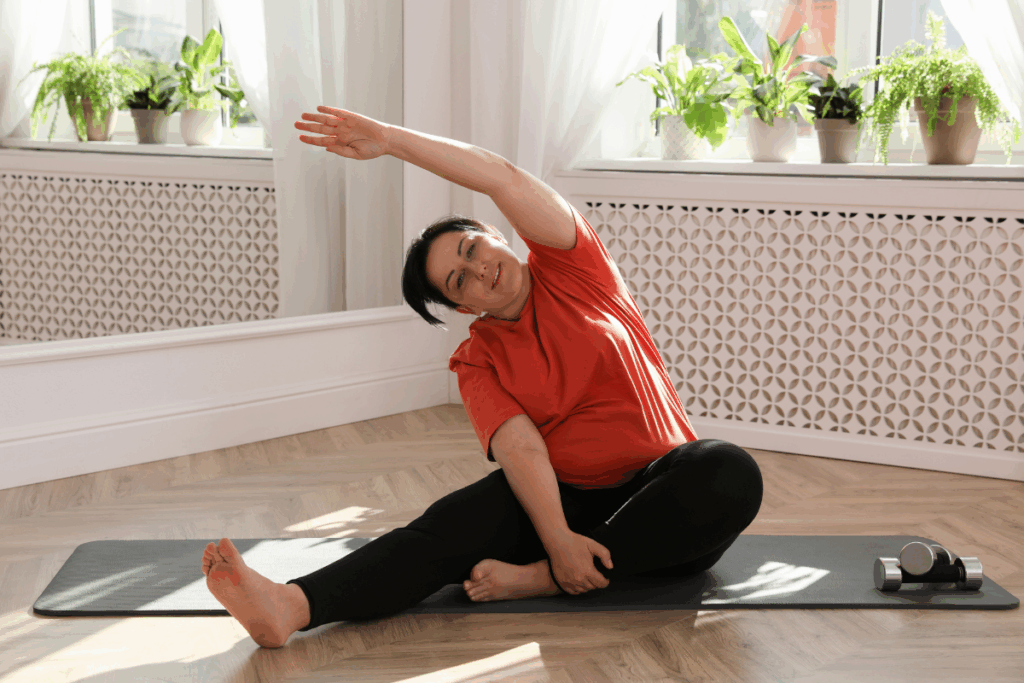
Science-Backed Benefits
Better balance & fewer stumbles. Exercise programs that include mobility, strength, and balance components can help reduce fall risk as we age.
Everyday life feels easier. Keeping your body moving is one of the best ways to protect independence—think getting out of a chair, climbing stairs, or taking a long walk with friends.
Hips that don’t “bite back.” Age-related flexibility declines are real, especially around the hips. Gentle, consistent hip mobility exercises can help restore comfortable range of motion.
Practical Tips for Success (Safe, Smart, Sustainable)
1) Start small and build momentum. Commit to these hip mobility exercises 3–5 days per week. Flexibility and mobility work most days of the week is ideal, with gentle holds of ~10–30 seconds (longer if comfortable).
2) Pair mobility with balance & strength. Add simple balance drills (like standing on one leg near a counter) and light strength moves (sit-to-stands, wall push-ups) to reinforce your progress. This trio—mobility, strength, balance—is your confidence formula.
3) Warm up with your breath. Before you begin, take 3–5 slow breaths. Inhale through the nose, exhale through the mouth. It calms the nervous system and helps muscles release.
4) Use support and modify. Hold a chair or countertop during the Asian squat or Standing Frog pose. Comfort is the priority; depth and intensity can come later.
5) Pick the time of day that works for you. Many women love mobility in the morning to shake off stiffness (especially if you experience inflammatory conditions like polymyalgia rheumatica). Always follow your clinician’s advice and keep movements small on flare days.
6) Keep it equipment-free and distraction-free. A mat or carpeted area is plenty. Silence your phone, play a soothing playlist, and let your eight minutes be yours.
7) Track how you feel, not just what you do. Notice improvements like getting out of the car more easily or walking longer without tightness. These are big wins—celebrate them.
8) Talk to your healthcare provider if needed. If you have a new diagnosis, medications, or pain that doesn’t improve, discuss exercise plans with your clinician so you can personalize your approach.
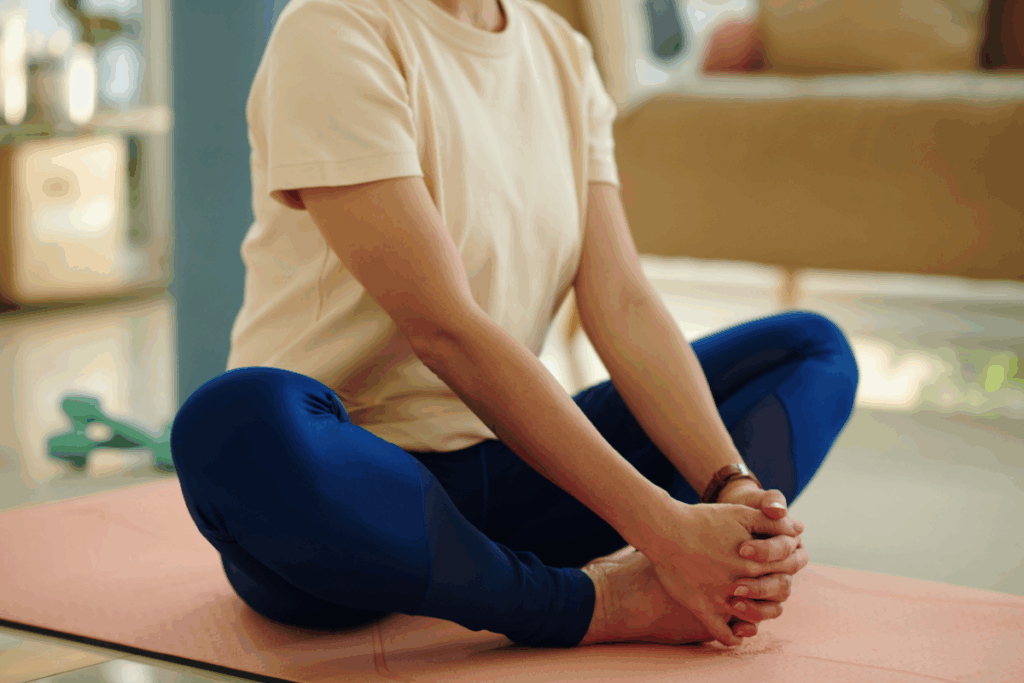
FAQs (Because Real Life Happens)
What if my hips are very tight or I have arthritis?
Go slower, reduce the range, and use support. Mobility is a spectrum; even small, comfortable movements signal your joints and muscles to relax and adapt. Over time, hip mobility exercises can help ease stiffness so daily tasks feel easier.
Can this help with balance?
Yes—indirectly and directly. Mobile hips improve walking mechanics, while the sequence itself reinforces joint control. For extra balance support, add a 2–3 minute balance practice after your hip mobility exercises (heel-to-toe walks along a counter, or single-leg stands with fingertip support).
How often should I repeat this 8-minute routine?
Aim for most days. Think of it like brushing your teeth for your hips—quick, consistent, and preventive. Even a few sessions each week can make a meaningful difference.
Is this safe if I have polymyalgia rheumatica like Joy?
Gentle mobility can complement medical care, especially during stiffness-prone times of day. But always follow your care team’s guidance, and keep movements small on flare days. With proper medical management and supportive movement, many people feel meaningful relief.
How to Make This a Habit You Love
Anchor it to something you already do. Try your hip mobility exercises right after your morning coffee or before your evening wind-down.
Create a cozy corner. A mat, soft lighting, and your favorite playlist make it inviting.
Celebrate tiny wins. Notice when stairs feel easier or when you can sit cross-legged more comfortably. These are signs your hips are saying “thank you.”
Try This 1-Week Hip-Happy Plan
Day 1–3: Do the 8-minute hip mobility exercises once daily.
Day 4–5: Add 2–3 minutes of balance practice (near a counter).
Day 6: Keep the mobility, plus 5 minutes of light strength (sit-to-stands, wall push-ups).
Day 7: Gentle mobility only, with longer exhales to unwind.
Repeat next week. Adjust as needed. Progress is personal.
The Wrap-Up: Your Hips, Your Freedom
Your hips are central to how you stand, walk, and show up for the moments that matter. In just eight mindful minutes, you can loosen stiffness, improve posture, and feel more at ease in your body. Start today with these hip mobility exercises, then build on them with simple balance and strength moves. If Joy can find relief and joy in movement, you can too.
Key Takeaways
- Consistency beats intensity. Short, daily sessions of hip mobility exercises add up.
- Mobility + balance + strength = confidence. This trio supports independence and reduces fall risk.
- Work within comfort. Use supports and modify shapes; your range will grow over time.
- Make it yours. Pair hip mobility exercises with music you love and routines you already have.