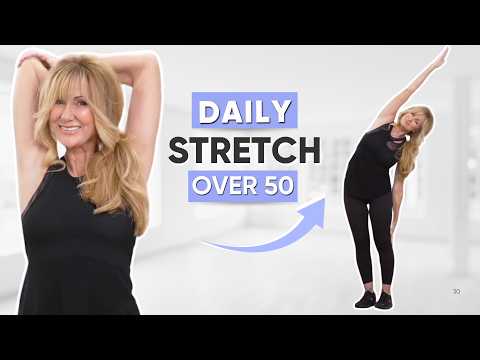
Most women over 50 notice stiffness creeping into their hips long before they notice it anywhere else. Getting up from a chair feels harder than it used to. Walking up stairs takes more effort. Rolling over in bed involves more groaning than it should.
What most people do not realise is that this stiffness is not simply a sign of getting older. It is often a sign of sitting more, moving less, and losing the range of motion that keeps your joints healthy and your body pain-free.
Your hip joints are ball-and-socket joints designed for a wide range of movement in multiple directions. When those directions are not regularly used through walking, stretching, or targeted mobility work, the surrounding muscles tighten, the joint capsule becomes less supple, and your body compensates by shifting load onto your lower back and knees. That compensation is often where the pain begins.
Research published in the Journal of Aging and Physical Activity confirms that regular mobility training in older adults significantly reduces joint stiffness, improves functional movement, and supports independence in daily activities.
You do not need a gym, a yoga studio, or an hour of free time to make meaningful progress. A 10-minute seated workout done consistently can produce real results, and this one is a perfect starting point.
What to Expect From This Seated Chair Workout
This full body chair workout includes 10 exercises with 45 seconds of work and a 15-second rest between each movement. You will need one or two sets of dumbbells, ideally two or three different sizes so you can scale the weight up or down depending on the exercise.
Some movements are pure mobility work that focuses on joint range of motion and fluid movement rather than load. Others are strength exercises that build the muscle your body needs to stay functional, upright, and injury-resistant as you age.
The combination of mobility and strength in a single session is intentional. Mobility work without strength leaves your joints loose but unsupported. Strength work without mobility creates tight, restricted muscles that limit your range of motion over time. Doing both together is how you build a body that moves well and holds up under everyday demands.
Seated Hip Mobility Exercises to Improve Joint Health Over 50
Chair Torso Circles for Spinal Mobility
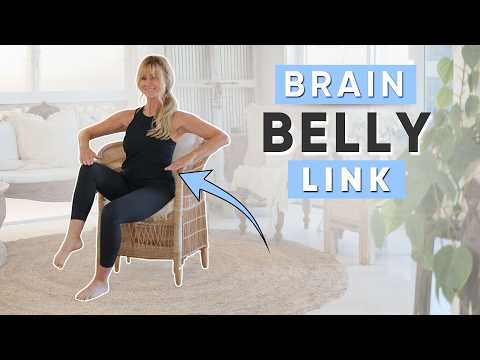
Hold the sides of your chair for support and draw large, smooth circles with your torso, rotating in one direction for the full 45 seconds before swapping to the other side.
This movement targets the thoracic spine and the muscles around your hips and lower back that tend to stiffen with prolonged sitting. Keep the movement slow and controlled rather than rushed, and focus on making each circle as wide as you comfortably can.
Over time you should notice that the range of motion increases and the stiffness through your mid-back begins to ease.
Seated Knee Press for Hip Flexor and Adductor Release
Sit with your feet together and gently press both knees outward until you feel tension building through your inner thighs and hip flexors. Hold that position briefly, then bring the knees back together and repeat.
This exercise targets the hip adductors and the hip flexor complex, which are two of the muscle groups most affected by long hours of sitting. Tight hip flexors pull the pelvis forward, which increases stress on the lower back and reduces the efficiency of your glutes. Keeping them mobile has benefits that extend well beyond your hips.
A 2020 review in Sports Medicine found that targeted hip flexibility training reduces pain and functional limitation in adults over 50, particularly in those with sedentary lifestyles. If you spend most of your day at a desk or in a car, this exercise deserves a permanent place in your routine.
Upper Body Strength Exercises for Women Over 50
Dumbbell Shoulder Press for Bone Density and Posture
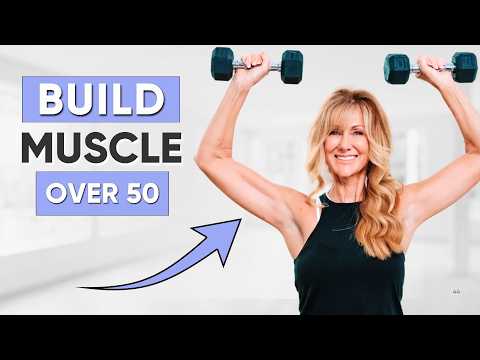
Hold your dumbbells at shoulder height with your palms facing inward, then press one arm overhead while keeping the other at your shoulder. Alternate from side to side with controlled, deliberate movement and keep your posture tall throughout.
Overhead pressing is one of the most valuable exercises women over 50 can do because it builds the shoulder muscles, challenges your core stability, and places load through the bones of your arms and spine. That kind of mechanical stress is exactly what stimulates bone-building activity.
Weight-bearing exercise is consistently recommended by organisations including the National Osteoporosis Foundation as a primary strategy for maintaining bone density after menopause, when oestrogen-related bone protection declines significantly.
Seated Dumbbell Rows for Back Strength and Posture
Hinge slightly forward from your hips while seated, then row one dumbbell up at a time by pulling your elbow back and squeezing the muscles between your shoulder blades.
Your dumbbell should travel up toward your waist rather than your chest. Keep your back long and your core gently engaged throughout.
Rowing exercises are essential for women over 50 because they strengthen the muscles that hold your spine upright and counteract the forward-rounded posture that develops from years of desk work, driving, and screen time.
Strong back muscles are also closely linked to a lower risk of falls and better balance as you age.
READ ALSO: Top 5 Mobility Exercises For Women Over 50
Core and Arm Strength Movements in This Seated Workout
Seated Leg Extensions for Core Engagement
Extend one leg straight out in front of you, hold it at the top for a breath, then lower it and switch sides. The key with this exercise is to focus on the engagement happening at your core rather than treating it purely as a leg movement.
When you lift your leg from a seated position, your deep abdominal muscles have to work hard to stabilise your pelvis and prevent your lower back from rounding.
Repeating this on both sides builds the kind of functional core strength that directly improves your posture, reduces lower back discomfort, and makes everyday movements like getting up from the floor feel significantly easier.
Chair Torso Twists for Rotational Core Strength
Hold a dumbbell at your belly and sit tall with your feet flat on the floor. Rotate your torso from side to side while keeping your hips as still as possible. This movement trains the oblique muscles along the sides of your abdomen, which are responsible for every twisting and turning motion you make throughout the day.
Rotational core strength is frequently overlooked in favour of forward-facing exercises like crunches, but research published in the Journal of Strength and Conditioning Research shows that rotational training produces superior functional outcomes for older adults, particularly in tasks that require reaching, turning, and maintaining balance during movement.
Seated Concentration Curls for Bicep Strength Over 50
Place one elbow against the inside of your thigh and curl the dumbbell slowly upward, squeezing your bicep at the top before lowering with control. Switch sides and repeat.
The concentration curl isolates the bicep more effectively than a standard seated curl because the thigh acts as a stabiliser, reducing the tendency to swing the elbow or use momentum. Strong biceps matter for far more than aesthetics.
Every time you lift a bag of groceries, pick up a grandchild, or carry something from one room to another, your biceps are working hard. Keeping them strong protects your elbows and reduces the risk of strain injuries in your upper arms and wrists.
Tricep Chair Pushups to Strengthen Arms After 50
Hinge forward slightly from your hips, press your hands into the seat of the chair beside your thighs, and lift your hips by straightening your arms through the tricep muscles.
The goal is controlled arm activation rather than height, so keep your feet firmly grounded and focus on feeling the backs of your arms doing the work.
The triceps make up approximately two-thirds of your upper arm, which means they have a greater influence on arm shape and strength than the biceps do.
Strengthening them consistently is the most direct way to address the softness and looseness that develops at the back of the upper arms after 50.
How Often Should You Do This Chair Workout?
For best results, aim to complete this workout two to three times per week with at least one rest day between sessions. Your muscles need time to recover and rebuild, and that rebuilding process is what creates the strength and definition you are working toward.
Pairing this seated hip mobility workout with a daily walk and a protein-rich diet that supports muscle repair will accelerate your results considerably. The American College of Sports Medicine recommends that adults over 50 complete resistance training at least twice weekly to preserve muscle mass, maintain bone density, and support metabolic health.
READ ALSO: Tips to Maintain Lifelong Mobility: A Guide for Women Over 50
FAQs: Seated Hip Mobility and Chair Workouts for Women Over 50
Yes. Every exercise in this routine is performed from a seated position, which significantly reduces the load on your knees and hips compared to standing exercises. If you experience pain during any movement, reduce your range of motion or skip that exercise and speak with your physiotherapist.
Start with two to four kilograms for shoulder and arm exercises and use a slightly lighter weight for any movement that places your arm in an unsupported position. As you build strength, gradually increase the weight to continue challenging your muscles.
Most women notice improved strength and reduced stiffness within three to four weeks of consistent training. Visible muscle definition typically takes six to eight weeks of regular sessions combined with adequate protein intake.
Research consistently shows that seated resistance training produces meaningful gains in muscle strength and size, particularly in older adults who are returning to exercise or managing joint limitations. The seated position does not reduce muscle activation. It simply removes balance as a limiting factor.