Fabulous50s Vitality - Your All-in-One Longevity App is here.
14-Day Free Trial →
Join our New
14-Day Seated Challenge
Completely Free! →
×
×
Page Not Found
The page you requested could not be found.
You might be interested in exploring our
Blog
.
Home
About
Testimonials
Challenges
Fabulous50s Kickstart Challenge!
Lose Belly Fat Challenge
Inner Radiance Breathwork
Menopause & Nutrition Bundle
Mindfulness Challenge
Fat Loss & Glow Up Challenge
Weight Loss Challenge
Freebies
Workout Videos
Blog
Shop
Fabulous50s Vitality App
Home
About
Testimonials
Challenges
Fabulous50s Kickstart Challenge!
Lose Belly Fat Challenge
Inner Radiance Breathwork
Menopause & Nutrition Bundle
Mindfulness Challenge
Fat Loss & Glow Up Challenge
Weight Loss Challenge
Freebies
Workout Videos
Blog
Shop
Fabulous50s Vitality App
Home
About
Testimonials
Challenges
Fabulous50s Kickstart Challenge!
Lose Belly Fat Challenge
Inner Radiance Breathwork
Menopause & Nutrition Bundle
Mindfulness Challenge
Fat Loss & Glow Up Challenge
Weight Loss Challenge
Freebies
Workout Videos
Blog
Shop
Fabulous50s Vitality App
×
Login
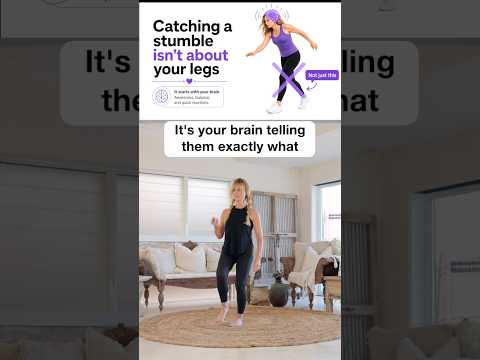
Why You Need To Train Your Brain For Balance
Fabulous50s
Subscribe
September 22, 2026
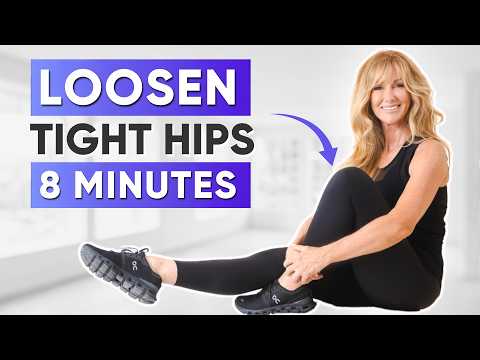
8-Minute Morning Lower Body Mobility Workout to Free Up Tight Hips After 50
October 20, 2026
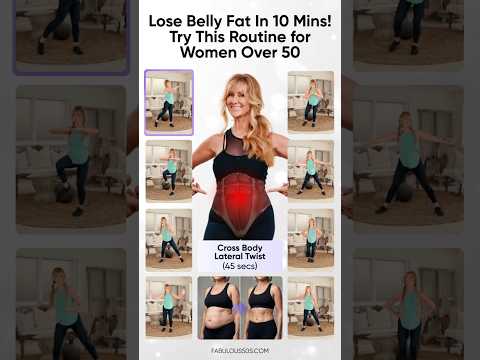
Burn Belly Fat in 10 Minutes (Over 50) #Shorts #BellyFat
October 19, 2026
Bring It On! Balance With A Prop #fabulous50s #healthylifestyle #stability
October 16, 2026
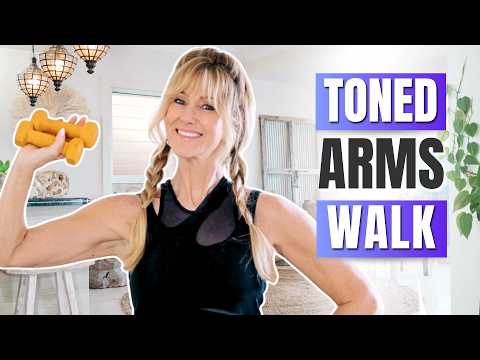
20-Minute Walking Workout With Dumbbells to Tone Your Arms After 50
October 13, 2026
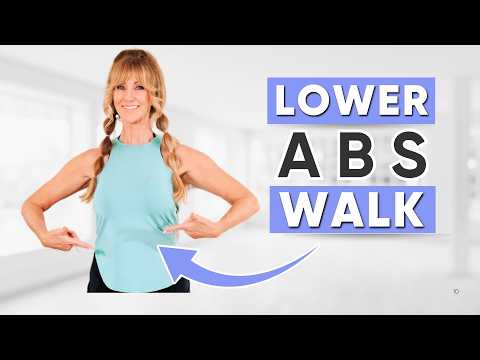
10 Minute Lower Belly Fat Blast #fitness #womenover50
October 12, 2026
How To Do 50 Jumps Over 50 #osteoporosis
October 10, 2026
If You’re Over 50, Do These 5 Movement Patterns Every Week
October 7, 2026
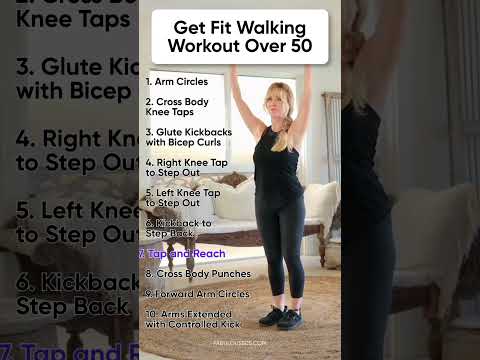
Get Fit Walking In Just 10 Minutes! #shorts
October 6, 2026
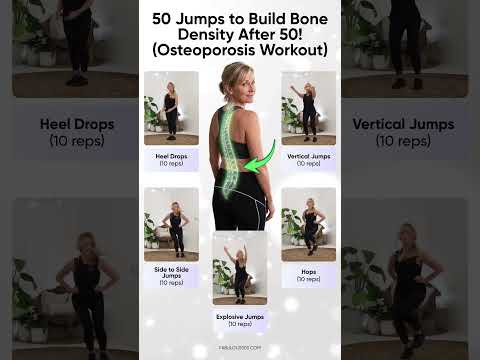
50 Jumps to Build Bone Density After 50 (Osteoporosis Workout)
September 30, 2026
Can’t Lose Weight in Menopause? Try This 10-Minute Walking Workout From Home
September 29, 2026
Why You Need To Train Your Brain For Balance
September 22, 2026
Fall Prevention Exercises: These 7 Balance Exercises Could Save Your Life
September 22, 2026
10-Minute Full Body Strength Workout for Women Over 50
September 15, 2026
10 Minute Walking Workout For Weight Loss | Over 50
September 8, 2026
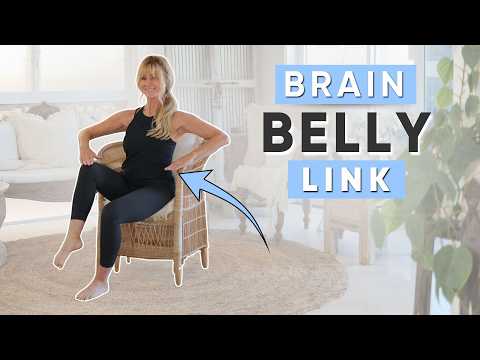
The Belly Button Secret: 7 Minutes Seated for a Flatter Tummy and a Sharper Brain
September 1, 2026
8-Minute Morning Lower Body Mobility Workout to Free Up Tight Hips After 50
October 20, 2026
Burn Belly Fat in 10 Minutes (Over 50) #Shorts #BellyFat
October 19, 2026
Bring It On! Balance With A Prop #fabulous50s #healthylifestyle #stability
October 16, 2026
20-Minute Walking Workout With Dumbbells to Tone Your Arms After 50
October 13, 2026
10 Minute Lower Belly Fat Blast #fitness #womenover50
October 12, 2026
How To Do 50 Jumps Over 50 #osteoporosis
October 10, 2026
If You’re Over 50, Do These 5 Movement Patterns Every Week
October 7, 2026
Get Fit Walking In Just 10 Minutes! #shorts
October 6, 2026
50 Jumps to Build Bone Density After 50 (Osteoporosis Workout)
September 30, 2026
Can’t Lose Weight in Menopause? Try This 10-Minute Walking Workout From Home
September 29, 2026
Why You Need To Train Your Brain For Balance
September 22, 2026
Fall Prevention Exercises: These 7 Balance Exercises Could Save Your Life
September 22, 2026
10-Minute Full Body Strength Workout for Women Over 50
September 15, 2026
10 Minute Walking Workout For Weight Loss | Over 50
September 8, 2026
The Belly Button Secret: 7 Minutes Seated for a Flatter Tummy and a Sharper Brain
September 1, 2026