



Hot flashes and heart attacks are both conditions that affect many women, especially as they reach menopause. The symptoms can be similar, which often leads to confusion and concern.
During menopause, women experience a variety of changes in their bodies, including fluctuations in estrogen levels that can increase the risk of heart disease.
For many, these changes may cause hot flashes, and sometimes it can be difficult to distinguish between hot flashes or heart attack symptoms, particularly when chest discomfort is involved.
Let’s explore how to tell the difference between hot flashes and heart attack, what symptoms to watch out for, and how to stay safe.
Key Takeaways: Is It a Hot Flash or a Heart Attack?
- Hot flashes usually cause a sudden wave of heat, flushing and sweating that lasts seconds to a few minutes, then settles. You may feel uncomfortable or a bit tight in the chest, but you usually don’t have strong, crushing pain or severe breathlessness.
- A heart attack is more likely if you have pressure, squeezing, or pain in the chest that doesn’t go away, or comes and goes, with other symptoms like shortness of breath, nausea, cold sweat, or pain in the arm, jaw, neck, back or upper stomach.
- Hot flashes are common in menopause and are usually not dangerous.
- Heart attack symptoms are an emergency. If you’re not sure, treat it like a heart problem and call emergency services. It’s always safer to be checked.
- If chest pain is strong, lasts more than a few minutes, or is joined by breathlessness, nausea, or pain spreading to your arm, jaw, neck or back. Get urgent medical help, don’t wait to see if it passes.
How Does Menopause Affect Your Heart and Cardiovascular Risk?
Studies show that menopause is linked to a higher risk of cardiovascular disease. Why?
- Estrogen helps protect your heart and blood vessels. It supports healthier cholesterol levels and keeps blood vessels flexible.
- When estrogen falls, blood vessels can stiffen and narrow, affecting blood flow.
- Postmenopausal women are at higher risk of:
- High blood pressure
- Unhealthy cholesterol levels
- Blood clots
Some research suggests that, for certain women, hormone therapy started at the right time may help reduce heart disease risk, but this must always be discussed with a doctor, as it isn’t right for everyone.
Research on Menopause and Cardiovascular Risk
- Studies have shown that menopause is associated with an increased risk of cardiovascular disease.
- Estrogen helps control cholesterol levels and keeps blood vessels healthy. Declining estrogen levels during menopause can lead to changes in blood vessels and blood flow.
- Menopausal women are at higher risk for blood clots and high blood pressure.
- Research suggests that hormone therapy may help reduce the risk of heart disease in menopausal women.
What Are the Main Differences Between a Hot Flash and a Heart Attack?
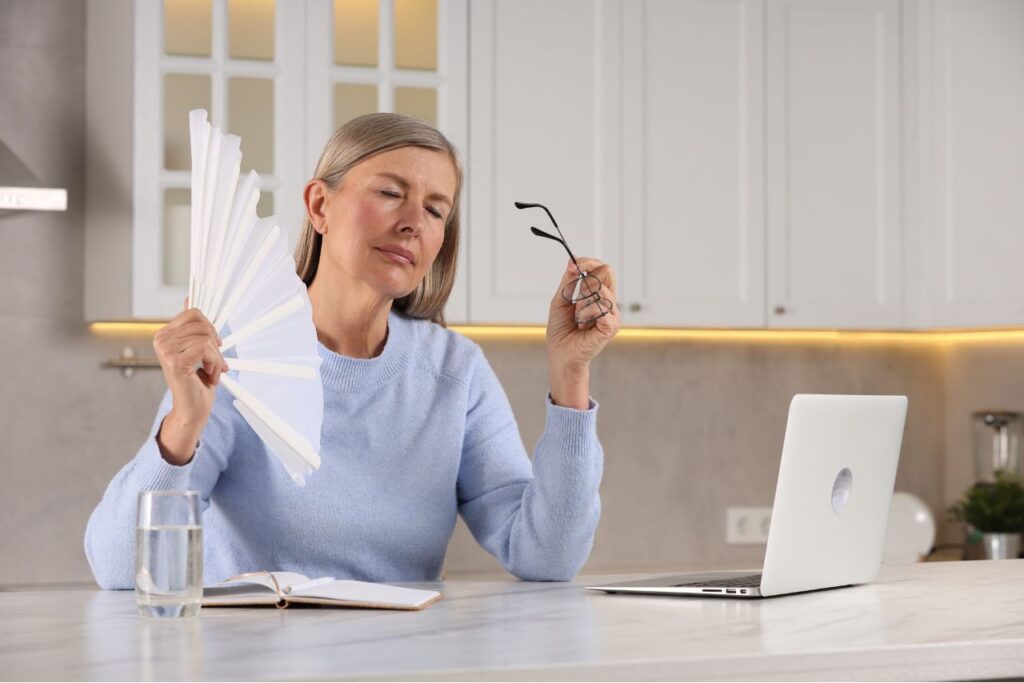
What does a hot flash feel like?
Many women describe hot flashes as:
- A sudden wave of intense heat, often starting in the chest, neck, or face
- Flushing and sweating, sometimes followed by chills
- Episodes that last seconds to a few minutes
- Often linked with stress, certain foods, or warm environments
Hot flashes are mainly caused by hormone changes in menopause, especially the drop in estrogen.
What does a heart attack feel like?
Heart attack symptoms can be more varied in women than in men, but may include:
- Chest discomfort or pain (pressure, tightness, squeezing, or heaviness)
- Pain or discomfort that spreads to the arms, back, neck, jaw, or stomach
- Shortness of breath or difficulty breathing
- Nausea, indigestion, or vomiting
- Dizziness, light-headedness, or feeling faint
- Extreme fatigue or weakness
- Clammy sweating that doesn’t feel like a simple hot flash
The key differences usually involve:
- Pain quality: heart attack pain is often heavy, crushing, or pressure-like
- Duration: heart attack symptoms often last more than a few minutes or come and go repeatedly
- Combination of symptoms especially chest discomfort plus breathlessness, nausea, or pain spreading elsewhere
Knowing these differences helps you decide when you can monitor symptoms, and when you need emergency care.
What Are the Typical Symptoms of a Heart Attack in Women?
Common heart attack symptoms in women include:
- Chest pain, tightness, pressure, or discomfort
- Pain or discomfort in the arm, back, neck, jaw, or stomach
- Shortness of breath, with or without chest pain
- Unusual fatigue, especially if it’s sudden or extreme
- Nausea, indigestion, or vomiting
- Dizziness or feeling faint
- Sleep disturbances or a sense that “something is very wrong”
Sometimes, women may have milder or atypical symptoms, which can lead to delay in seeking help. That’s why it’s important not to ignore new, intense, or persistent symptoms.
What Are the Typical Symptoms and Triggers of Hot Flashes?
Hot flashes often:
- Come on suddenly, with a rush of heat
- Cause sweating and flushing, especially on the face, neck, and chest
- May be followed by chills once the heat passes
- Can happen during the day or at night (night sweats)
- Last from a few seconds to several minutes
They can be triggered by:
- Hormonal changes in menopause
- Stress or anxiety
- Spicy food, caffeine, or alcohol
- Hot rooms, tight clothing, or warm bedding
Hot flashes are very common, affecting up to 75% of menopausal women, and while they’re uncomfortable, they’re usually not dangerous on their own.
Can Hot Flashes Cause Chest Pain, and How Is That Different from Heart Pain?

Chest discomfort during a hot flash can feel like:
- Mild tightness or pressure in the chest
- A feeling of heat rising through the chest area
- Discomfort that passes quickly as the hot flash settles
Heart-related chest pain, on the other hand, is more likely to:
- Feel heavy, crushing, or squeezing
- Last longer than a few minutes or keep coming back
- Be accompanied by shortness of breath, nausea, sweating, or pain radiating to other areas
You can experience chest tightness during a hot flash without having heart disease, but if the pain is strong, unusual for you, or does not go away, you must treat it like a potential emergency.
Can Heart Problems Cause Symptoms That Feel Like Hot Flashes?
Yes, some heart problems can cause symptoms that resemble hot flashes, such as:
- Sudden sweating
- Flushing or feeling hot
- Racing heartbeat
Conditions like heart failure, arrhythmias, or severe anxiety caused by heart issues can create heat and discomfort that feels similar to a hot flash.
The key difference:
- Hot flashes are usually tied to menopause and hormonal shifts.
- Heart problems come from issues like narrowed arteries, high blood pressure, heart muscle damage, or rhythm disturbances.
If you have risk factors for heart disease and you’re getting episodes of heat with breathlessness, chest discomfort, or dizziness, it’s safest to get checked.
READ ALSO: Hot Flashes Over 50? What To Do Next…
Which Symptoms Suggest a Heart Attack Rather Than a Hot Flash?
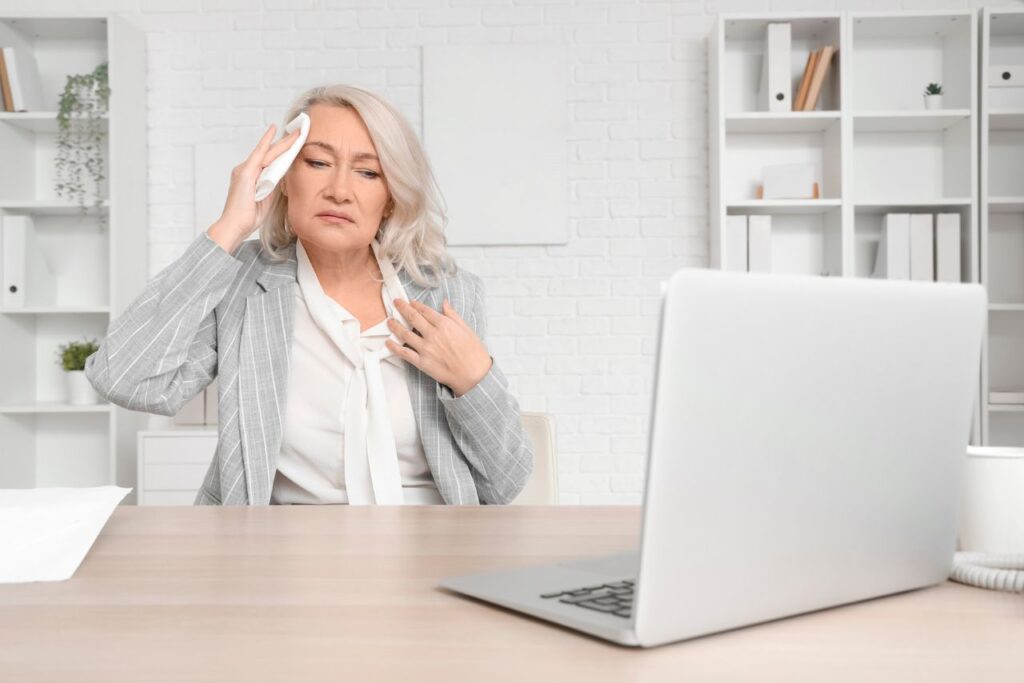
You should be especially alert if you notice:
- Chest pain or pressure that lasts more than a few minutes
- Discomfort that spreads to the arm, neck, jaw, back, or stomach
- Shortness of breath (with or without chest pain)
- Sudden, intense fatigue, weakness, or feeling like you might faint
- Nausea, vomiting, or a feeling of crushing heaviness in the chest
- Pain that doesn’t ease when the hot feeling passes
Hot flashes are usually short-lived and pass on their own. A heart attack often involves ongoing or increasing discomfort, especially when combined with other symptoms.
If in doubt, err on the side of caution and seek emergency help.
What Are the Main Heart Disease Risk Factors for Menopausal Women?
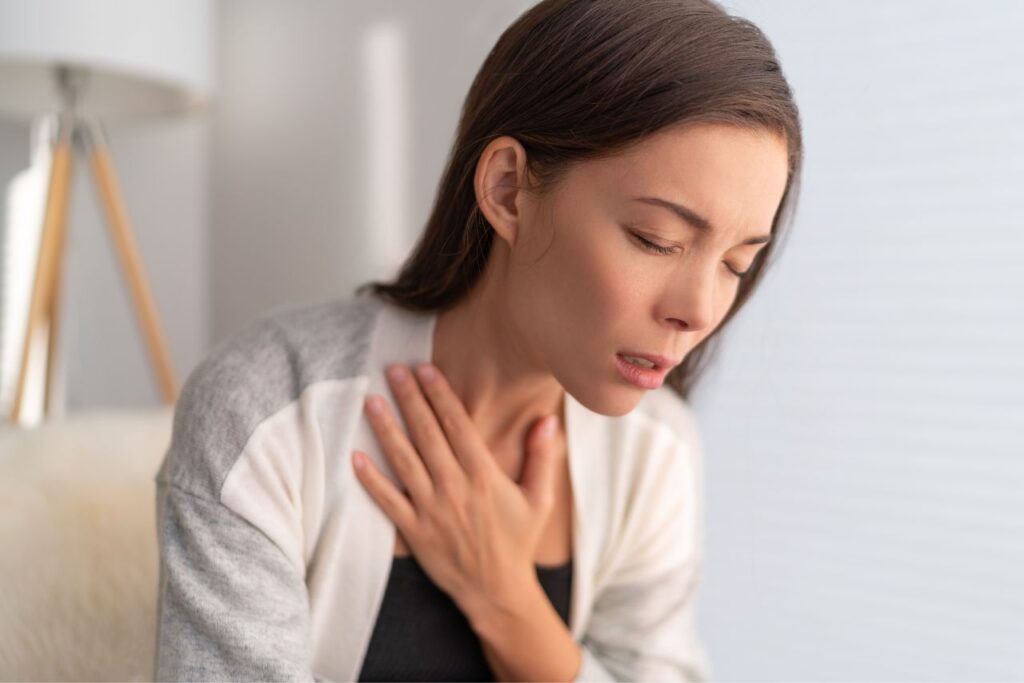
During and after menopause, your risk of heart disease rises. Major risk factors include:
- Falling estrogen levels, which make blood vessels less flexible
- High blood pressure
- High LDL (“bad”) cholesterol and triglycerides
- Smoking
- Diabetes or prediabetes
- Family history of heart disease or early heart attacks
- Excess belly fat and being overweight
- Chronic stress and poor sleep
The drop in estrogen makes it easier for arteries to become hardened and narrowed (atherosclerosis), which reduces blood flow and raises heart attack risk.
Knowing your numbers (blood pressure, cholesterol, blood sugar, waist size) gives you power to make changes early.
How Can Hot Flashes Be Mistaken for Heart Attack Symptoms?
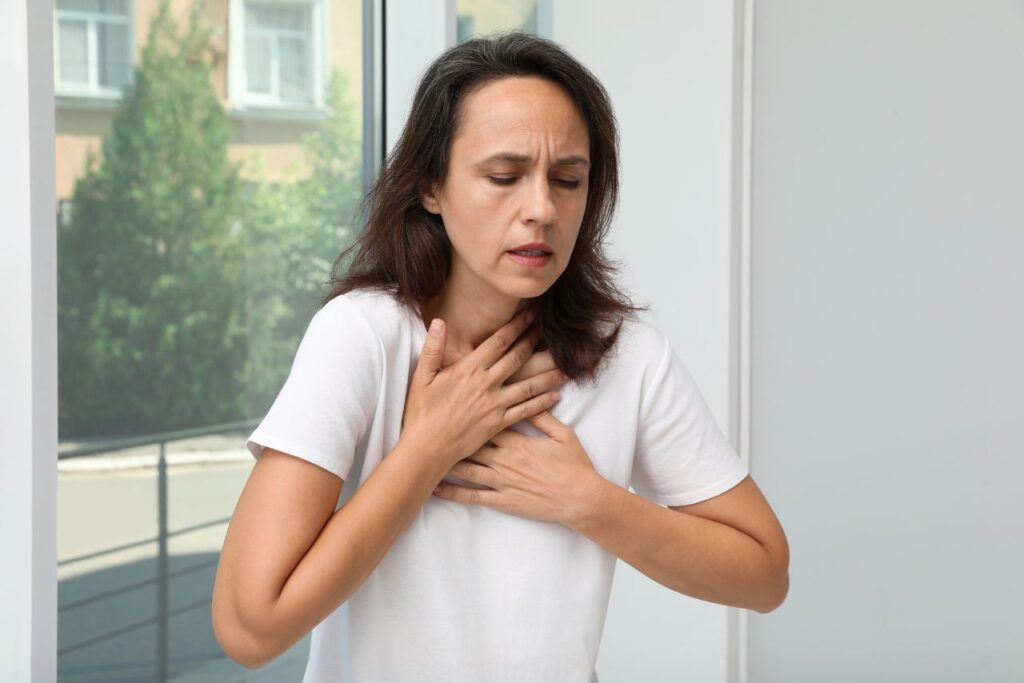
Hot flashes can be confusing because they can include:
- Sudden heat and sweating
- A sense of pressure or tightness in the chest
- A pounding or racing heartbeat
- Anxiety or a sense of panic while it’s happening
Heart attacks can also involve chest discomfort and sweating, which is why many women worry.
Key differences:
- Hot flashes – usually brief, come in waves, and are often relieved once the episode passes or you cool down.
- Heart attack – discomfort tends to be more intense, longer-lasting, and often combined with other symptomslike shortness of breath, nausea, and pain spreading to other areas.
Still, if you’re not sure what you’re dealing with, it’s safer to treat it as a potential heart problem until a doctor says otherwise.
What Should You Do If You Have Chest Pain and a Hot Flash at the Same Time?
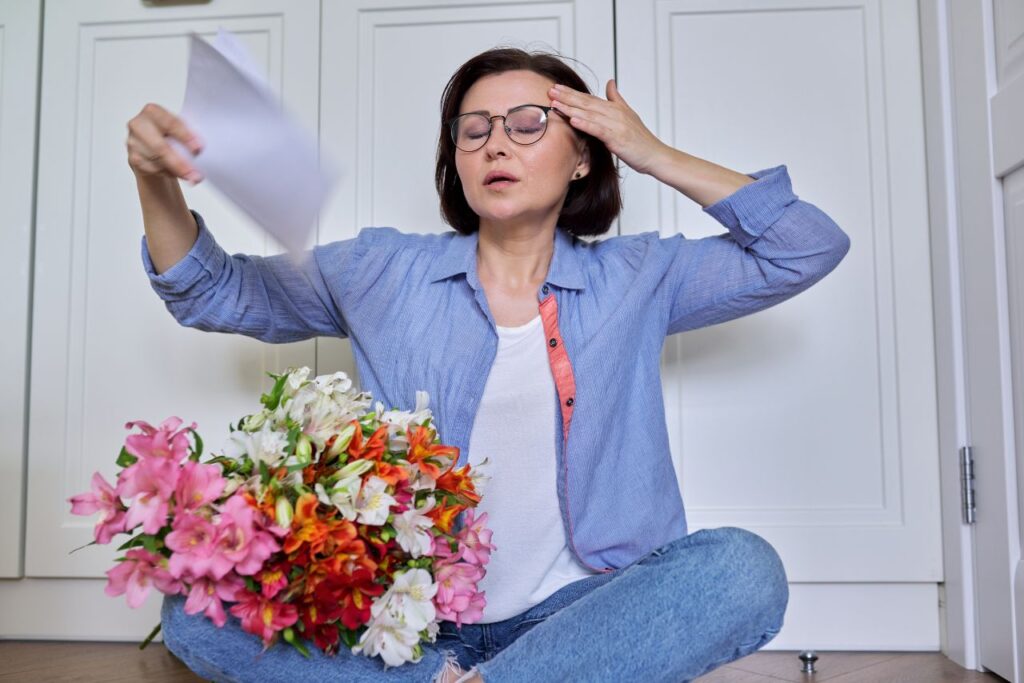
Ask yourself:
- How strong is the pain?
- Mild and fading quickly might point to a hot flash.
- Strong, crushing, or worsening pain is more concerning.
- How long does it last?
- A few seconds to a couple of minutes, then gone—more like a hot flash.
- Longer than a few minutes or coming in waves—possible heart attack.
- Are there other symptoms?
- Just heat and sweating could be a hot flash.
- Add shortness of breath, nausea, dizziness, or pain radiating to arm/jaw/back—call emergency services.
Do not drive yourself if you think it could be a heart attack. Call your local emergency number instead.
What Treatments Help With Hot Flashes and How Are Heart Attacks Treated?
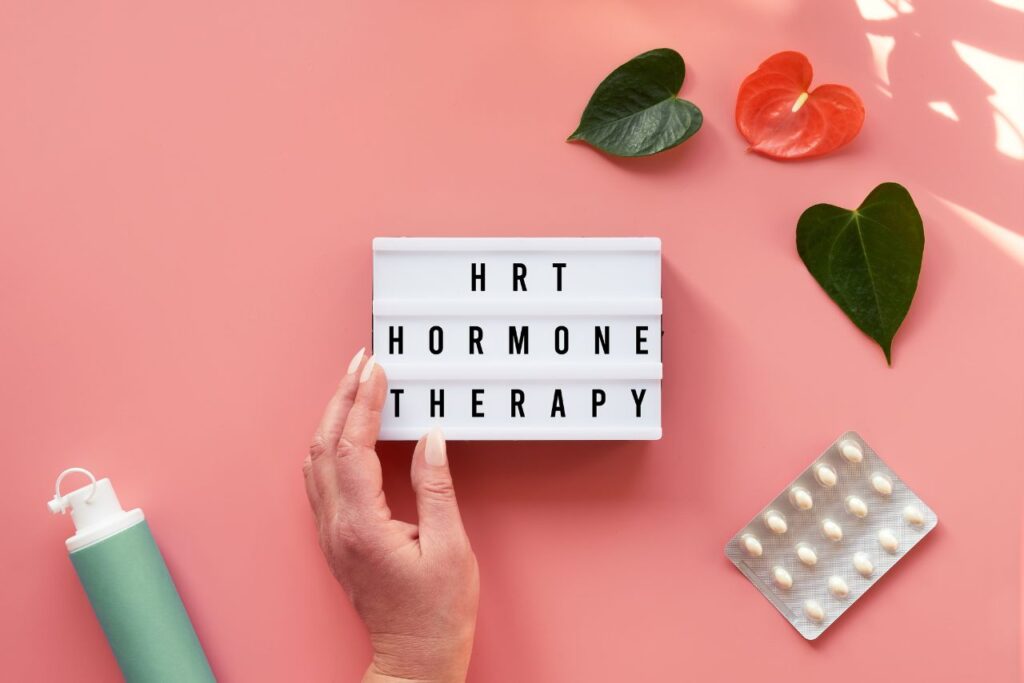
How can hot flashes be treated?
Treatment options for hot flashes may include:
- Lifestyle changes:
- Dressing in layers
- Avoiding triggers (spicy food, alcohol, caffeine, hot rooms)
- Managing stress and improving sleep
- Hormone therapy (HRT), when appropriate and safe
- Non-hormonal medications (for women who can’t or don’t want to use hormones)
- Relaxation techniques, yoga, and meditation to help the nervous system stay calmer
Always talk to your doctor before starting any treatment, especially HRT.
How are heart attacks treated?
Heart attack treatment is an emergency and may include:
- Medications to dissolve clots, reduce blood pressure, and ease heart strain
- Procedures like angioplasty and stents to open blocked arteries
- Surgery, in some cases, to bypass severe blockages
Long-term, heart disease management often involves:
- Medicines for blood pressure, cholesterol, or blood thinners
- Lifestyle changes (diet, exercise, quitting smoking, stress control)
- Regular follow-up with a cardiologist or doctor
When Should You Seek Medical Help Immediately?
Call emergency services right away if you:
- Have chest pain or pressure lasting more than a few minutes
- Feel pain or discomfort in the arm, back, neck, jaw, or stomach
- Are short of breath, weak, or light-headed
- Break out in a cold sweat with chest discomfort
- Have a history of heart disease or major risk factors and something feels “very wrong”
If you are unsure whether it’s a hot flash or a heart attack, treat it as heart-related and get checked urgently. It’s always better to be safe.
READ ALSO: Do Menopause Cold Flashes Really Exist?
Final Thoughts
It is important to know the difference between hot flashes and heart attacks if you want to stay healthy. While the symptoms can be similar, paying attention to the nature and duration of the pain, along with other heart attack symptoms, can help you make the right decision.
Heart health should always be a priority, especially for menopausal women at higher risk for heart disease.
Don’t hesitate to consult your doctor if you’re unsure about your symptoms or if you have a history of heart disease or high blood pressure.
FAQs: Hot Flashes vs Heart Attack in Menopause
What does a hot flash usually feel like?
A hot flash feels like a sudden wave of heat, mainly in your face, neck, or chest, often with sweating and flushing. It usually lasts a few seconds to a few minutes, then settles on its own.
What does a heart attack feel like in women?
A heart attack often feels like pressure, tightness, or pain in the chest that doesn’t quickly go away. It can spread to your arm, jaw, neck, back, or upper stomach and may come with breathlessness, nausea, or a cold sweat.
How can I tell if my chest discomfort is from a hot flash or a heart attack?
If the feeling is brief, mainly heat and sweating, and it passes quickly, it’s more likely a hot flash. If the discomfort is strong, lasts longer, or comes with other symptoms like breathlessness or pain in the arm or jaw, treat it as a possible heart attack.
Can heart problems feel like hot flashes?
Yes, some heart problems can cause flushing, sweating, and a hot feeling. The difference is that heart-related symptoms tend to be stronger, last longer, and often come with chest pressure or breathlessness.
Why are menopausal women at higher risk of heart disease?
Falling estrogen levels can stiffen and narrow blood vessels and make blood pressure, cholesterol, and blood sugar harder to control. If you add smoking, high blood pressure, high cholesterol, diabetes, or extra belly fat, the risk increases further.
When should I call emergency services?
Call emergency services if you have chest pain or pressure that lasts more than a few minutes or keeps coming back, especially with breathlessness, nausea, cold sweat, or pain spreading to your arm, jaw, neck, back, or upper stomach.
What can I do to protect my heart and ease hot flashes?
Exercise regularly, eat a heart-healthy diet, keep blood pressure and cholesterol in check, avoid smoking, and manage stress and sleep. Talk to your doctor about treatments for hot flashes.
This article was first published in February 5, 2025 and last updated on December 9, 2025.














2 Responses
Wow, I didn’t even know I needed to know this but I’m so grateful that you posted this topic about hot flashes vs heart attack. I learned so much. I’m 54 and see in myself some of what is being discussed – and I thought I knew a lot. Thank you!
You are a star! ? I’m so happy this information helped you understand more about these important health signs. Knowledge is power, especially when it comes to taking care of ourselves! Stay strong and fabulous Michell ❤️?