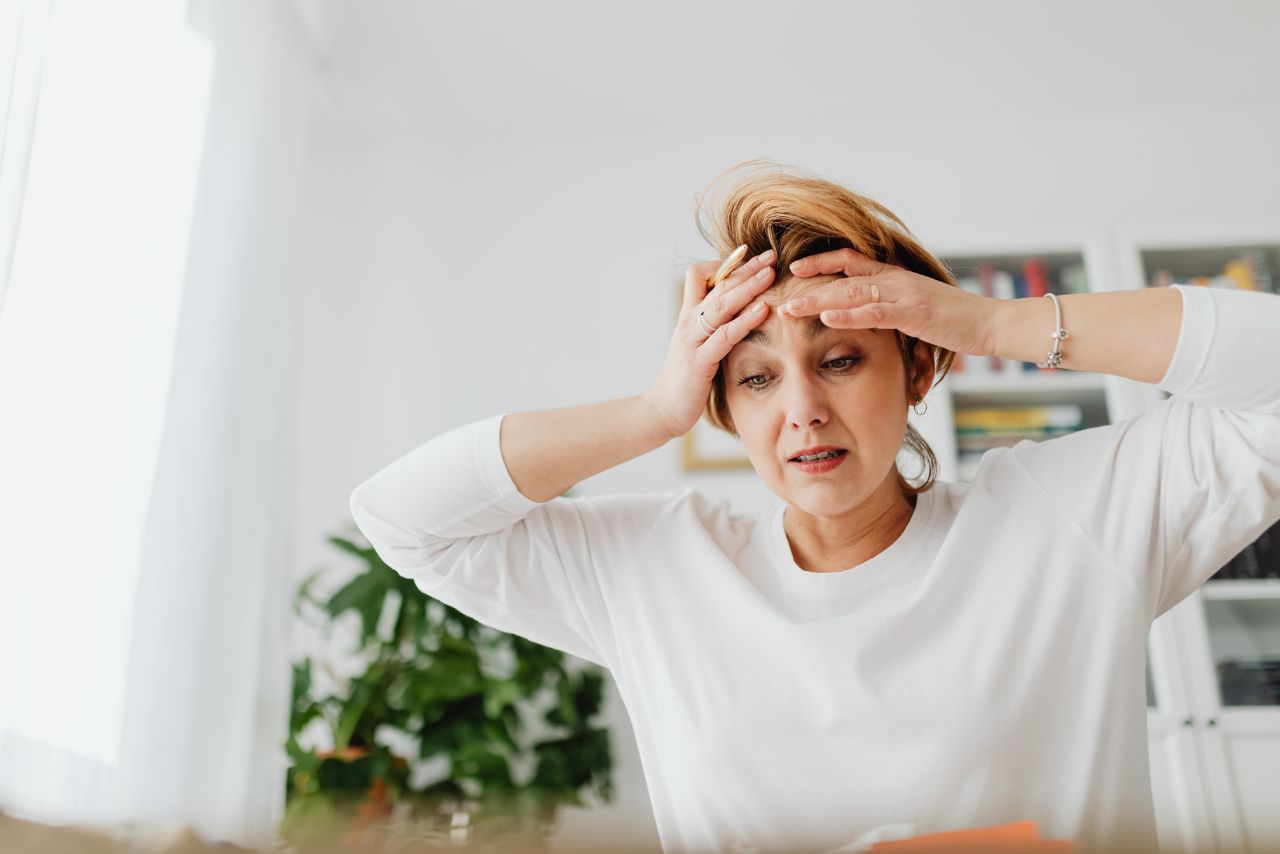

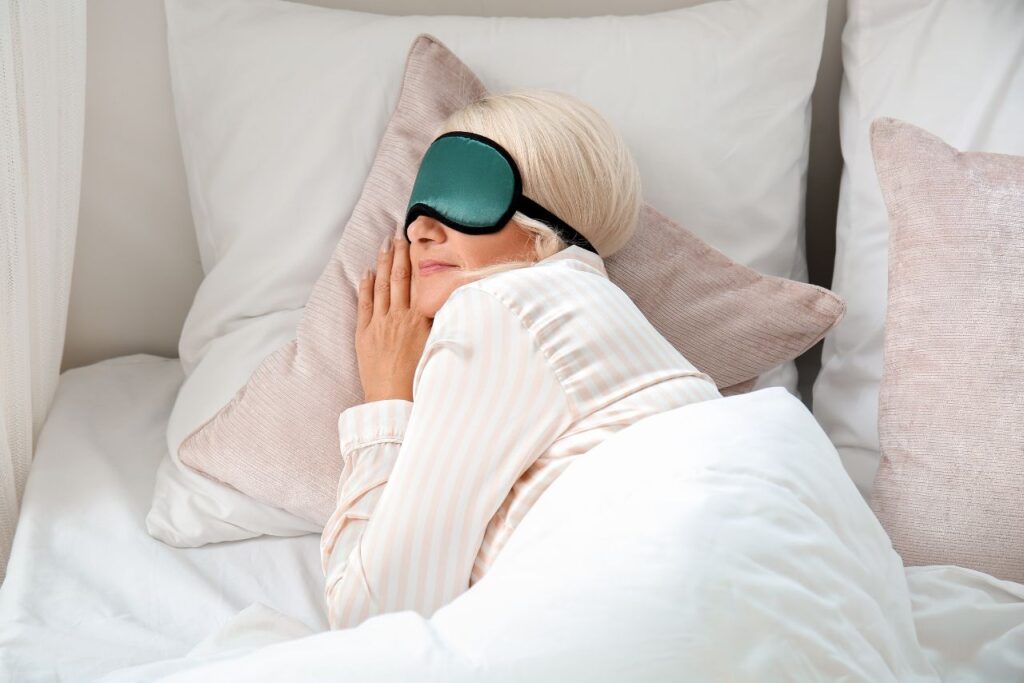
Sleep problems are one of the most common menopause symptoms. If you’ve ever found yourself staring at the ceiling in the middle of the night, you know how frustrating menopause insomnia can be.
Around 40–60 percent of women report sleep problems during this stage of life, which makes it one of the most common and disruptive symptoms of menopause. The reasons are layered. Declining levels of estrogen and progesterone directly affect the sleep cycle, while hot flashes, night sweats, and mood changes act as additional barriers to rest.
These hormonal changes impact the brain and nervous system in profound ways. Estrogen helps regulate serotonin and melatonin, which are neurotransmitters essential for healthy sleep. Progesterone also has calming effects that help the body wind down at night. As these hormones fall, sleep becomes lighter, more fragmented, and harder to maintain.
But there are natural ways to support better sleep. They may not be magic overnight cures, but small changes add up. Let’s walk through what actually helps, what has evidence behind it, and how to build a realistic sleep plan that works for your life.
Key Takeaways: What really helps menopause sleep, naturally?
Most women sleep better in menopause when they combine simple lifestyle changes with targeted mind–body tools, and only then consider carefully chosen supplements if needed.
- Hormone changes, hot flushes, night sweats, mood shifts and stress all disturb sleep.
- The strongest evidence for “natural” help is for sleep-focused behavioural therapies (like CBT-I), good sleep habits, and relaxation practices.
- Some supplements (like magnesium, tart cherry, and certain herbs) may help a subset of women, but evidence is mixed and safety matters.
Important: This article is educational only and not medical advice. Always talk to your doctor or menopause specialist before starting new supplements, or if your sleep problems are severe, sudden, or worrying.
Why does menopause suddenly make sleep so difficult?

If you feel like your sleep changed “out of nowhere,” it hasn’t. There are a few things happening at once:
Estrogen and progesterone are shifting.
Estrogen helps regulate body temperature, mood and sleep. Progesterone has a calming effect on the brain. As these drop and fluctuate, your sleep–wake system becomes more sensitive, making it easier to wake and harder to drop back off.
Night sweats and hot flushes wake you up.
When your body suddenly overheats, your heart rate rises, you throw off the covers, maybe get up to change pyjamas… and that broken sleep adds up.
Stress, mood and blood sugar all get involved.
More night-time awakenings can raise cortisol (stress hormone), your mood may be more fragile, and blood sugar swings can make middle-of-the-night waking worse.
So natural remedies work best when they target several layers at once: temperature, stress, routine, and sometimes hormones (via HRT or other treatments) if you and your doctor decide that’s right for you.
Are natural remedies enough and when should you see a doctor?
Some women can manage menopause sleep problems with lifestyle and gentle supports alone. Others need HRT or non-hormonal prescription options as well.
Talk to your doctor urgently if:
- You wake gasping for air or snore loudly (possible sleep apnoea).
- You have chest pain, shortness of breath, racing heart, or symptoms that feel like a heart attack.
- You have very low mood, thoughts of self-harm, or severe anxiety.
- You suddenly sleep far too much or far too little without clear reason.
Talk to your doctor soon if:
- You’ve had poor sleep most nights for more than 3 months.
- Night sweats or hot flushes are waking you several times a night.
- You’re considering herbal remedies or multiple supplements and are on other medications (to check for interactions).
You don’t have to “tough it out.” Natural strategies are wonderful, but medical support is completely valid and often necessary.
What daily habits work like “natural sleep medicine” in menopause?

Think of this as your base layer. Supplements can only do so much if this foundation isn’t there.
1. Create a simple, predictable sleep routine
Your brain loves rhythm.
- Aim for roughly the same bedtime and wake time every day (even weekends).
- Give yourself a 30–60 minute wind-down: dim lights, put your phone away, do something calming and low-stimulation (stretching, reading, breathing, journaling).
- Choose a “closing ritual” like a cup of herbal tea, a warm shower, or a few gentle stretches, which tells your brain, “We’re slowing down now.”
2. Cool the bedroom and your body
A slightly cooler room can ease hot flushes and night sweats.
- Keep the room cool, dark, and quiet, like a cave.
- Use breathable cotton or bamboo bedding and pyjamas.
- Try a fan by the bed, cooling pillow, or light layers you can adjust during the night.
READ ALSO: The Best Fabrics for Sleepwear for Women Over 50

NACHILA Pajamas Made from Bamboo
$49.99
NACHILA pajamas, made from viscose derived from bamboo, are designed for cooling sleep by being lightweight, breathable, and excellent at wicking moisture away from the body to prevent night sweats and promote temperature regulation.
3. Protect your evening from stimulants
- Avoid caffeine within 6–8 hours of bedtime.
- Keep alcohol moderate and not too close to bedtime; it can make you sleepy at first but then cause night-time awakenings.
- Try to finish heavy meals 2–3 hours before bed to avoid reflux and discomfort.
Even these simple steps can make your sleep more solid, especially when done consistently.

Which mind–body practices help menopause sleep the most?
Among all “natural” options, the strongest evidence supports cognitive behavioural therapy for insomnia (CBT-I) and other behavioural approaches.
What is CBT-I?
CBT-I is a structured program (often 4–8 sessions, online or in person) that helps you:
- Change unhelpful sleep thoughts (“I’ll never sleep again; I’m ruined tomorrow”).
- Reset your sleep schedule and build strong sleep associations.
- Use techniques like stimulus control and sleep restriction in a gentle, guided way.
Studies show CBT-I significantly improves sleep quality and reduces insomnia in menopausal women, including those with hot flushes and night sweats.
Other helpful practices:
- Slow breathing (e.g., 4–6 breathing):
Breathe in for a count of 4, out for a count of 6, for 5–10 minutes. This can calm the nervous system. - Mindfulness or body scan:
Gently notice sensations in your body from toes to head, without judgment. It keeps you out of racing-thought mode. - Gentle yoga or stretching in the evening:
Slow, easy exercises, like forward folds and hip openers, can help your muscles relax and get your body ready for sleep.
These practices are “natural remedies” your own nervous system creates once you give it the right input.
READ ALSO: The Secret to a Younger Brain: How Sleep and Exercise Can Turn Back the Clock
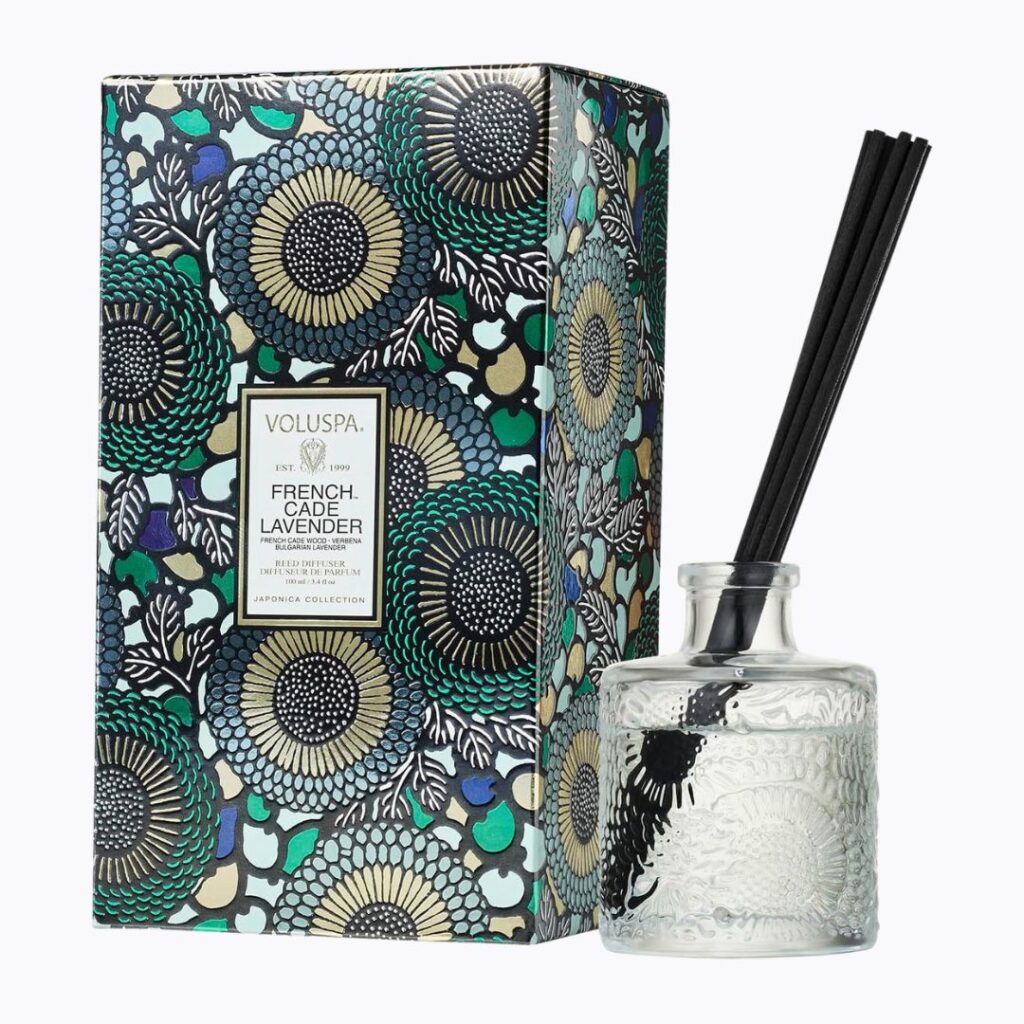
Voluspa French Cade Lavender Reed Diffuser (3.4 oz)
$34.00
Elegant diffuser that lasts long. Infused with calming notes of French cade wood and lavender, the Voluspa French Cade Lavender Reed Diffuser (3.4 oz) is a fragrant solution designed to promote a tranquil atmosphere for a more restful sleep.
Can changing what and when you eat help you sleep better?
Yes, food can make sleep easier or harder.
Helpful eating patterns:
- A Mediterranean-style diet (vegetables, fruits, whole grains, beans, nuts, olive oil, fish) is linked to better overall health and may ease some menopause symptoms, including sleep and mood.EatingWell+1
- Include magnesium-rich foods (leafy greens, pumpkin seeds, almonds, whole grains) and calcium for bones and muscle relaxation.
Timing tips:
- Have your largest meal earlier in the day if heavy dinners disturb your sleep.
- Include a light, balanced evening meal with protein, a little healthy fat, and fibre.
- If you wake hungry at 3 a.m., try a small snack 1–2 hours before bed (e.g., plain yoghurt with berries, or a few nuts and a slice of apple).
Some women also find tart cherry juice (small glass in the evening) helpful, as tart cherries naturally contain melatonin and may improve sleep in some people.The Better Menopause+1
Which vitamins and minerals are helpful for menopause sleep?
Two nutrients often discussed for sleep are magnesium and vitamin D.
Magnesium
- Magnesium helps muscles relax and supports the nervous system.Healthline
- A small study found that 500 mg of magnesium daily for 2 months improved insomnia symptoms in older adults.Healthline
Many women prefer to start with food and then talk to their doctor about supplements if needed, as too much magnesium can cause diarrhoea or interact with medications.
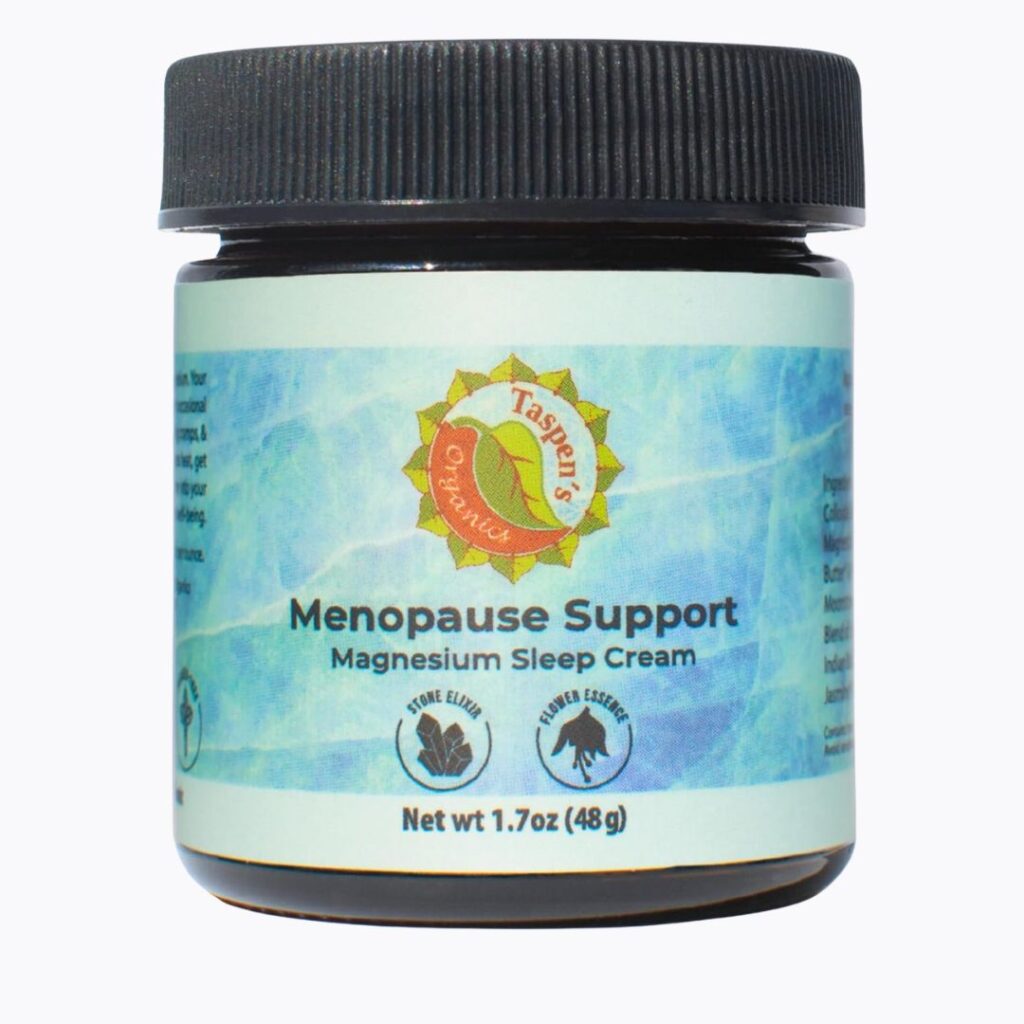
Taspen’s Organics Magnesium Hot Flash & Night Sweat Relief
$28.00
Taspen’s Organics Magnesium Hot Flash & Night Sweat Relief is a topical cream formulated with magnesium, essential oils, and other botanicals to help soothe and cool the body, providing relief from hot flashes and night sweats often associated with menopause. Sources
Vitamin D
- Low vitamin D has been linked with low mood and poorer sleep in some studies, although the picture is not fully clear.
- It’s wise to ask your doctor whether testing and supplementation are appropriate, especially if you have limited sun exposure.MDPI+1
Avoid self-prescribing large doses; more is not always better.
Which herbal remedies might help you sleep during menopause?
This is where things get confusing, because the marketing is loud, but the science is mixed.
Herbs sometimes used for menopause-related sleep issues include:
- Chamomile – calming, gentle, often used as a bedtime tea.
- Lemon balm – may reduce anxiety and improve sleep in some small studies.
- Valerian and passionflower – traditional sleep herbs; research shows mixed results, but some women find them helpful.The Better Menopause+1
- Ashwagandha – an adaptogenic herb that may improve stress and sleep quality in some people.Verywell Health+1
However:
- Evidence for many menopause supplements is limited and inconsistent.wearejude.com+1
- Some herbs, like black cohosh, are more aimed at hot flushes than sleep, and have been linked (rarely) to liver problems.EatingWell+2Canada+2
- Herbal products can interact with medications (e.g., St John’s wort with antidepressants or blood thinners).Canada+1
Safer way to approach herbs:
- Start with one product at a time (not “menopause blends” with 15 ingredients).
- Choose brands that share clear dosing and quality standards.
- Check with your doctor or pharmacist if you take any prescription medicines or have liver/kidney issues.
- Stop immediately and seek medical advice if you notice nausea, dark urine, yellowing of the skin or eyes, or unusual fatigue (possible liver warning signs).Canada+1
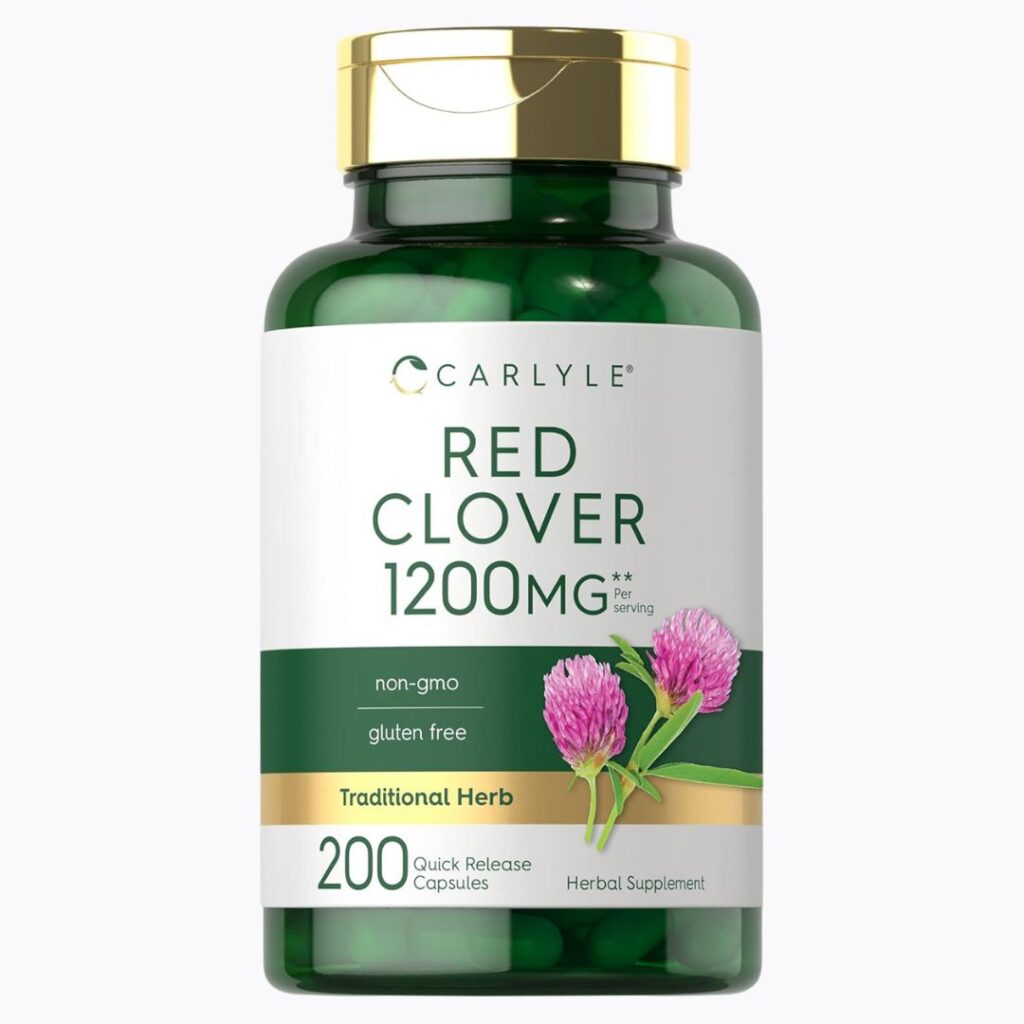
Carlyle Red Clover Capsules
$9.99
Carlyle Red Clover Capsules are a dietary supplement containing isoflavones from red clover, an herb traditionally used to help manage menopausal symptoms like hot flashes and night sweats, which can interfere with sleep.
Is melatonin a “natural” option for menopause insomnia?
Melatonin is a hormone your body makes naturally to signal night-time. Supplement versions are often sold as a “natural sleep aid.”
What we know:
- Low-dose melatonin can help some people fall asleep faster, especially older adults whose natural melatonin is lower.
- It may help with circadian rhythm issues (e.g., jet lag, shift work).
Cautions:
- It can cause morning grogginess, vivid dreams, or interact with medications.
- Long-term safety data in midlife women is limited, and dosage in over-the-counter products can vary a lot.
If you want to try melatonin:
- Talk to your doctor first, especially if you have autoimmune conditions, depression, seizures, or are on multiple medications.
- Use the lowest effective dose and take it about 1–2 hours before bedtime.
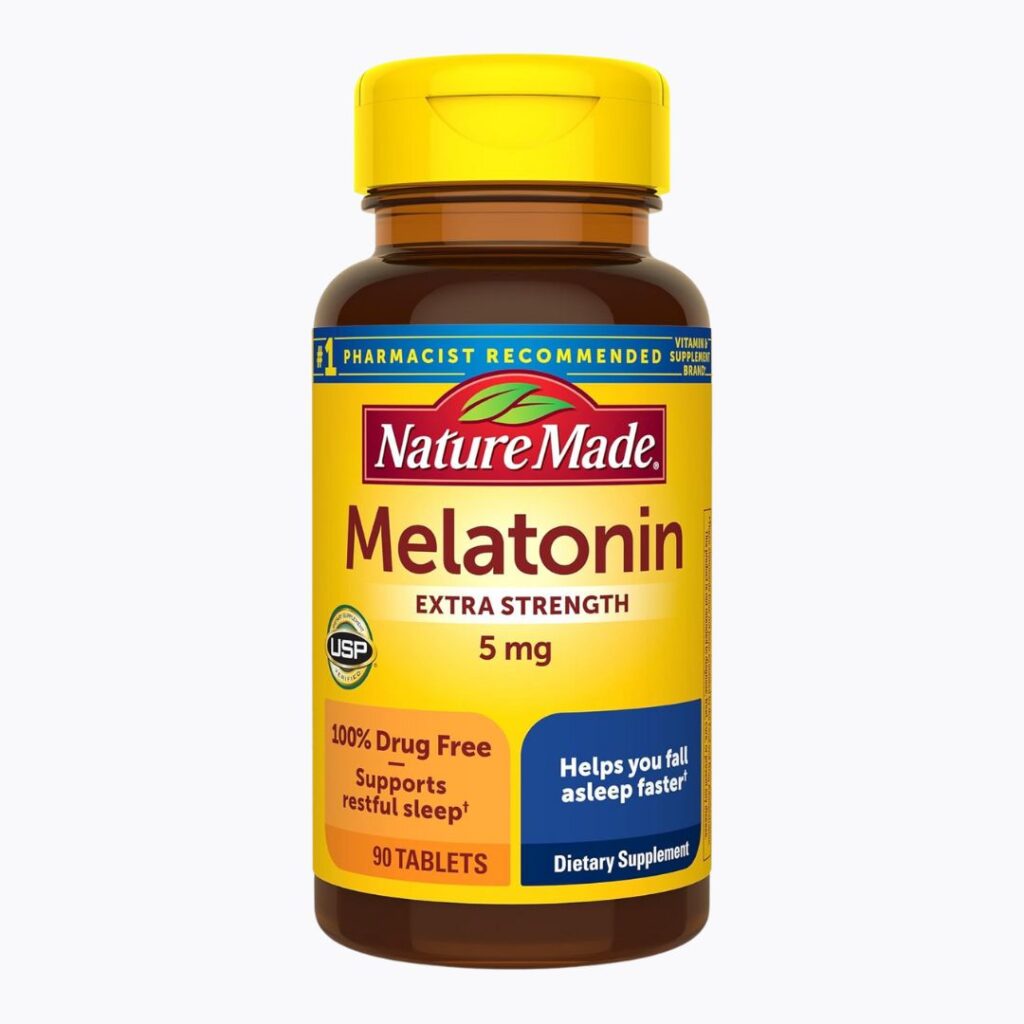
Nature Made Melatonin 5mg Tablets Extra Strength
$9.29
Nature Made Melatonin 5mg Tablets Extra Strength is a dietary supplement designed to help you fall asleep faster and support restful sleep by supplementing the body’s natural sleep-regulating hormone.
How do you build your own “menopause sleep plan” step by step?
You should think of this as a gentle, realistic reset instead of an overnight change.
Step 1: Track what’s actually happening
For 1–2 weeks, jot down:
- What time you go to bed and wake up
- How many times you wake overnight
- Hot flushes or night sweats
- Caffeine, alcohol, heavy meals, and screen use in the evening
- Any supplements or medications
This helps you see patterns instead of feeling lost in the fog.
Step 2: Fix the easy wins first
Pick two habits from this list to focus on for the next 2 weeks:
- Make your bedroom cooler and darker.
- Keep a 30–60 minute wind-down routine each night.
- Cut caffeine after lunchtime.
- Swap scrolling in bed for reading or stretching.
Small, consistent changes often give more benefit than trying everything at once.
Step 3: Add a mind–body tool
Choose one:
- A short CBT-I program (there are several CBT-I programs online).
- 5–10 minutes of slow breathing before bed.
- Gentle yoga or stretching in the evening.
Give it at least 3–4 weeks of regular use before judging whether it helps.
Step 4: Review food, drink, and timing
- Eat heavy meals earlier in the day.
- Experiment with a small, balanced snack before bed if you wake hungry.
- Consider adding magnesium-rich foods and a small serving of tart cherry if you tolerate them.
Step 5: Decide if supplements are needed with support
If sleep is still very poor:
- Talk to your doctor or menopause specialist about:
- Whether HRT could help (especially if hot flushes and night sweats are severe).
- Whether any non-hormonal prescription options or short-term sleep medicines are appropriate.
- Which, if any, herbal or nutritional supplements might be safe for you.
You deserve proper support, and not guesswork.
READ ALSO: 20 Amazing Sleep Products For a Good Night’s Rest
Herbal remedies that may help you sleep better during menopause

For centuries, women have turned to herbal remedies to ease menopause symptoms, and some are supported by science. Valerian root, for example, has mild sedative properties and has been shown in clinical trials to improve sleep latency and quality. Strong evidence shows that passionflower can help people who are insomniac because of anxiety.
Chamomile tea, another widely used remedy, contains apigenin, a compound that binds to brain receptors to encourage relaxation and sleep.
Black cohosh and red clover have also been studied for their potential to reduce hot flashes, which indirectly improves sleep. While the evidence is mixed, some women find these remedies helpful.
It is important to remember that herbal supplements are not regulated as strictly as medications. Always consult a healthcare provider before adding them to your routine.
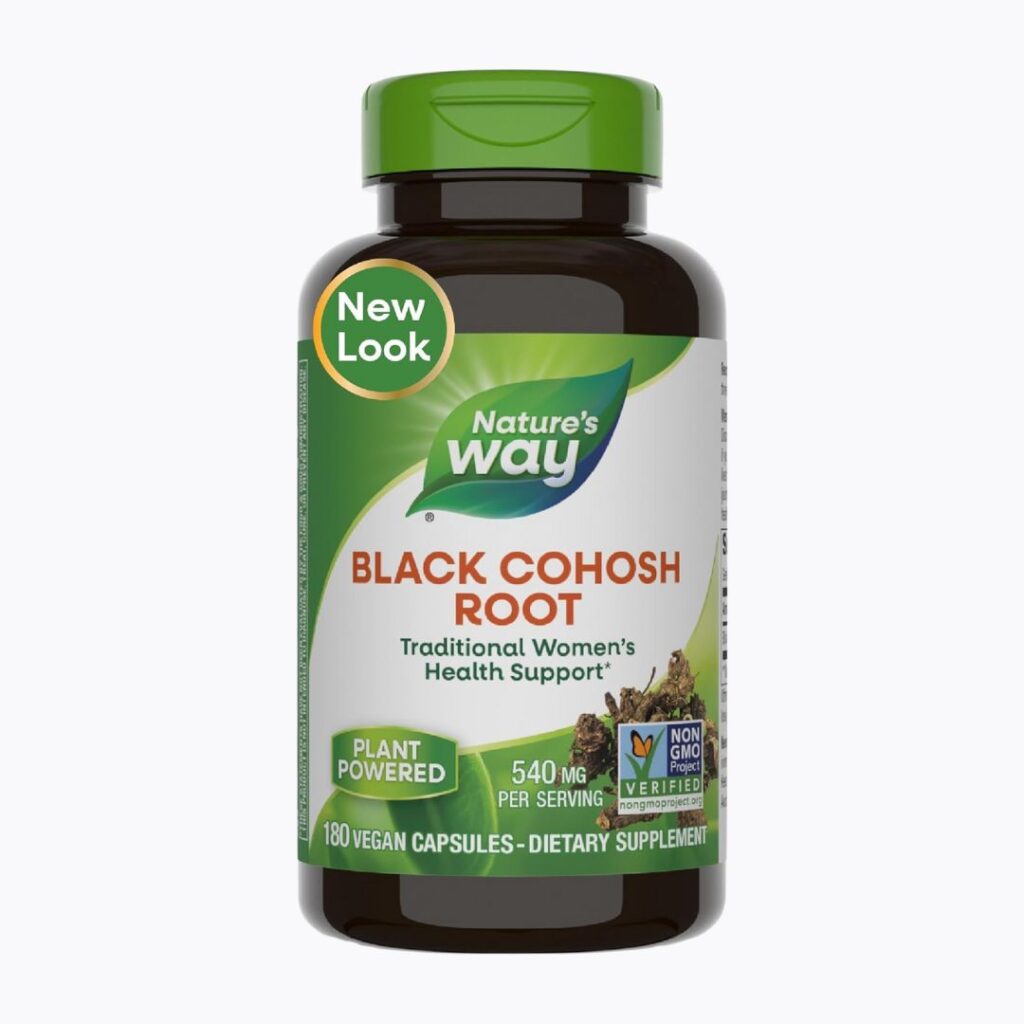
Nature’s Way Black Cohosh Root
$11.69
Nature’s Way Black Cohosh Root is a dietary supplement containing black cohosh, a traditional herb used to support women’s health and help relieve symptoms associated with menopause, such as hot flashes and night sweats.
Valerian root vs. Passionflower, which is better for hot flashes at night?
Valerian root has long been studied for its calming effects on the nervous system. Research shows it works by increasing gamma-aminobutyric acid (GABA) in the brain, which reduces excitability and helps initiate sleep. For menopausal women, valerian has an extra edge. Small clinical trials suggest it may lower the frequency and severity of hot flashes.
In one randomized controlled study, women who took 530 mg of valerian twice daily reported fewer nighttime hot flashes and improved sleep compared to placebo. This suggests that valerian doesn’t just calm the mind, it may also help regulate the hypothalamus, the brain’s temperature control center, which becomes unstable during menopause.
Many women echo the findings in reviews of Nature’s Way Valerian Root, with one saying, “I no longer wake up drenched at 2 a.m. the hot flashes have eased, and I can finally stay asleep.”
Passionflower, on the other hand, is less directly studied for hot flashes but has strong evidence for reducing anxiety-related insomnia. It also enhances GABA activity but works more gently than valerian, making it well suited for women whose night wakings are triggered more by restlessness and racing thoughts than by body temperature changes.
Some emerging evidence also points to passionflower’s ability to reduce cortisol levels, which could indirectly ease night sweats linked to stress.
Women who’ve tried NOW Foods Passionflower Extract often highlight its calming benefits without grogginess—one reviewer shared, “I still get a few hot flashes, but I fall back asleep within minutes instead of tossing for hours.”
For women whose main struggle is intense, frequent hot flashes, valerian may be the stronger option. But for those whose hot flashes are milder and paired with anxious thoughts, passionflower offers a calming, non-sedative solution that supports steady, restorative sleep.
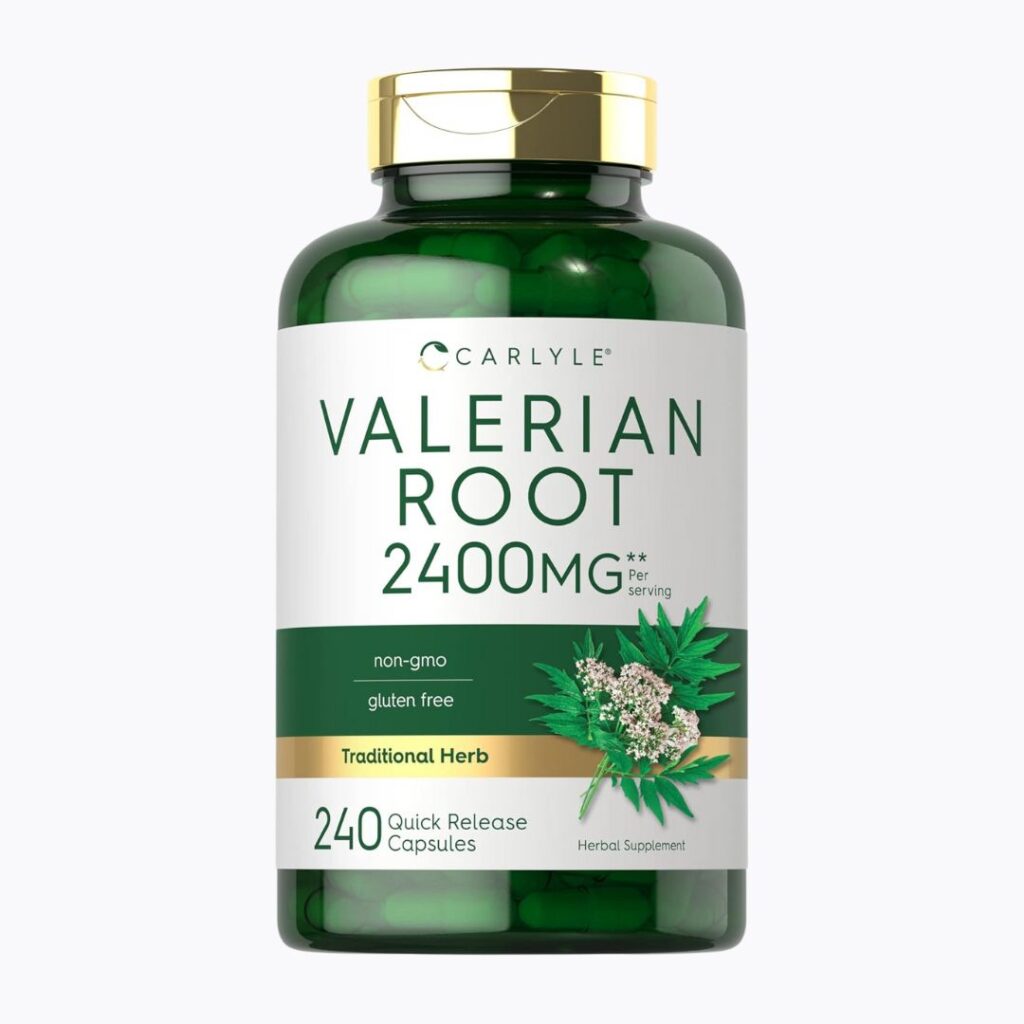
Carlyle Valerian Root Capsules
$15.57
Carlyle Valerian Root Capsules are an herbal dietary supplement containing valerian root, a traditional herb used to promote relaxation and support restful sleep.
How Magnesium helps with night sweats through cortisol regulation

During menopause, declining estrogen disrupts the body’s temperature regulation and stress response, which is why many women experience night sweats and restless sleep. Magnesium plays a key role here because it helps regulate the hypothalamic-pituitary-adrenal (HPA) axis, the system that controls how your body responds to stress.
Low magnesium is linked to higher cortisol, and elevated nighttime cortisol has been associated with more intense hot flashes. Clinical trials back this up: one randomized, double-blind study of postmenopausal women found that supplementing with up to 1,200 mg/day of magnesium significantly reduced the frequency and severity of hot flashes.
Reviews also show that magnesium supplementation improves sleep onset and quality, particularly in women struggling with anxiety and restlessness at night.
Other natural remedies work through different pathways but complement magnesium’s role. Valerian root and passionflower enhance levels of gamma-aminobutyric acid (GABA), calming an overactive nervous system and reducing nighttime arousals.
Phytoestrogen-rich herbs like red clover mimic estrogen’s stabilizing effect on the hypothalamus, lowering the likelihood of temperature spikes and night sweats.
Even lavender aromatherapy has measurable effects: studies show it activates the parasympathetic nervous system, lowering heart rate and promoting relaxation, which makes the body less reactive to sudden temperature shifts.
A 2021 review also noted that magnesium deficiency is strongly linked to worse vasomotor symptoms, suggesting that replenishing it not only calms stress but also restores part of the hormonal balance needed to keep hot flashes in check.
Together, these remedies address the hormonal, neurological, and stress-driven changes that make menopause sleep so challenging.
READ ALSO: The Ultimate Anti-Aging Supplement Blueprint For The 55-Year-Old Woman
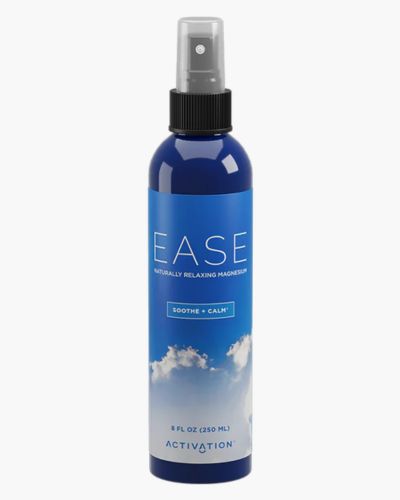
Ease Magnesium Spray
Ease Magnesium Spray is a topical solution designed to deliver magnesium directly through the skin, helping to soothe muscles, promote relaxation, and support restful sleep.
Final thoughts
Menopause insomnia can feel overwhelming, but natural remedies provide a wide range of effective and accessible solutions.
Cooling the body, exercising regularly, adjusting diet, and exploring herbal support can all bring meaningful relief. Pairing these with stress management practices, CBT-I, and consistent routines creates a strong foundation for better nights.
Sleep is not just about feeling rested; it is essential for mood, memory, heart health, and overall vitality. With the right natural strategies, you can reclaim the restorative rest that allows you to thrive in this new chapter of life.
Better nights are possible, and they begin with gentle, sustainable steps that honor both your body and your journey.
FAQs About Natural Remedies for Menopause Sleep Problems
Yes, many natural remedies have been shown to improve sleep quality in menopausal women. Such remedies include such as exercise, herbal teas, relaxation techniques, and a consistent bedtime routine. They may not cure insomnia overnight, but they can make nights calmer and more restful over time.
The timeline varies, but most women notice improvements within a few weeks of consistently practicing lifestyle changes such as exercise, stress management, or cooling the bedroom environment. The more consistent you are, the greater the benefits.
Some herbs like valerian root and chamomile are generally considered safe. But it’s important to talk to your doctor before adding supplements, as they can interact with medications. Natural does not always mean risk-free, so safety comes first.
For many women, natural approaches such as exercise, mindfulness, and dietary adjustments are enough to ease sleep problems. But others may still benefit from medical support. It depends on your personal health and how severe the insomnia is.
Start with small, manageable changes such as keeping your bedroom cool, limiting caffeine, or practicing relaxation before bed. These shifts can make a noticeable difference quickly and build a foundation for long-term relief.
If menopause insomnia is leaving you exhausted, the Menopause & Nutrition Weight Loss Bundle can help you find relief naturally. Click here to grab yours!