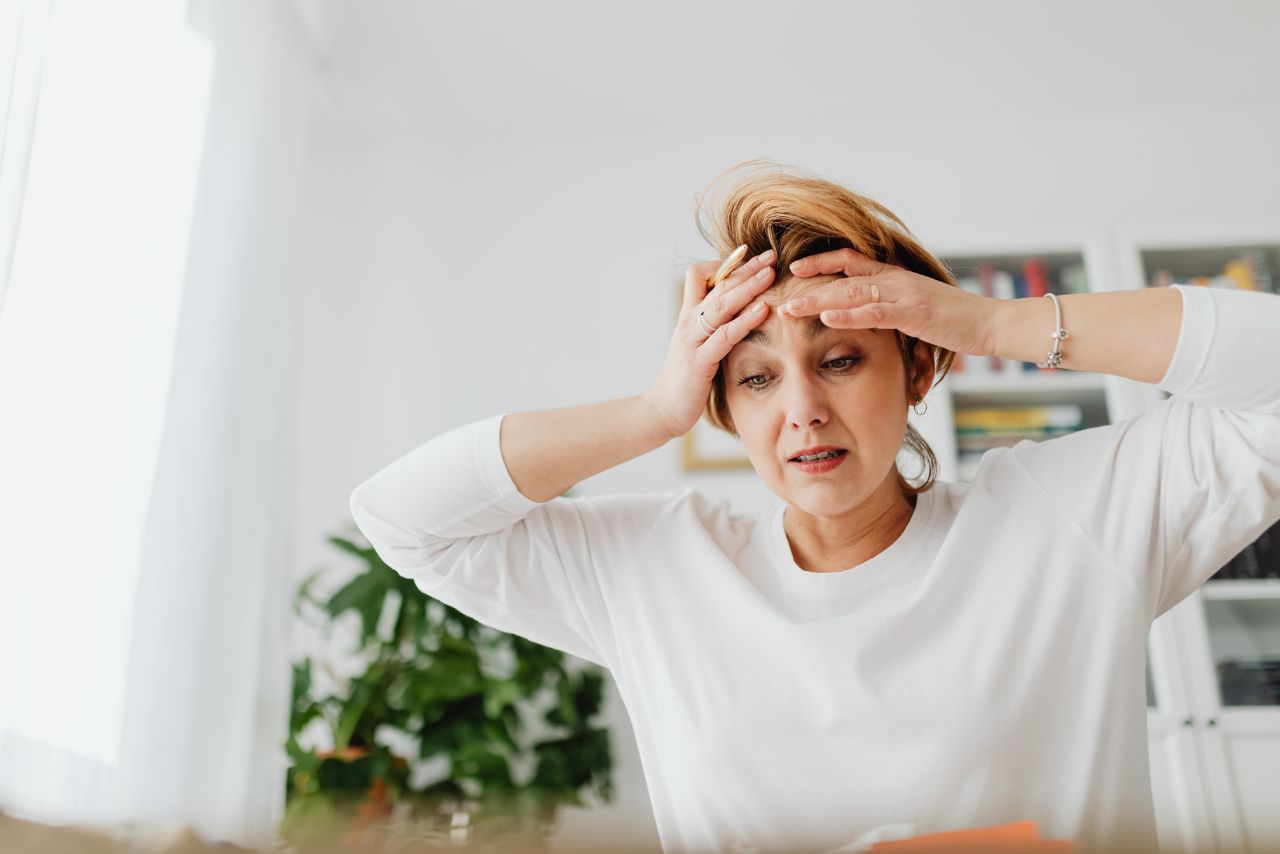


Let’s be honest, nobody really warns you about what menopause actually feels like. One day you’re fine, and the next you’re lying awake at 3 a.m., drenched in sweat, wondering if your body has been taken over by a complete stranger.
If this sounds familiar, you are not alone and more importantly, you are not going crazy. The hormonal changes during menopause are very real, and they can affect almost every system in your body.
But here’s the good news: once you understand what’s happening, you can do something about it. Here’s everything you should know about hormonal changes during menopause.
Key Takeaways:
- The hormonal changes during menopause, primarily the decline of estrogen, progesterone, and testosterone, affect your whole body, not just your reproductive system.
- Symptoms like hot flashes, mood swings, brain fog, weight gain, and sleep problems are all hormonally driven, not signs of weakness or aging poorly.
- Effective solutions exist for every symptom, from HRT and medications to lifestyle changes and vaginal therapies. You don’t have to white-knuckle your way through this phase.
- Hormone Replacement Therapy is safe and effective for most healthy women and remains the gold standard for managing hormonal changes during menopause, but it’s not the only option.
- The most important thing you can do is speak with a menopause-informed healthcare provider who takes your symptoms seriously and helps you create a personalized plan.
What Are the Hormonal Changes During Menopause, Exactly?
Menopause is officially defined as the point when you’ve gone 12 consecutive months without a menstrual period. But the hormonal changes during menopause actually begin years before that, during a phase called perimenopause and they continue well after your last period.
The main players here are three hormones: estrogen, progesterone, and testosterone. As you approach menopause, your ovaries gradually produce less of all three. This hormonal decline doesn’t happen in a neat, predictable way, it fluctuates, sometimes wildly and that’s what causes so many confusing and uncomfortable symptoms.
Think of your hormones like a symphony orchestra. For years, estrogen and progesterone conducted a predictable monthly rhythm. During menopause, the conductor steps away, and the instruments start playing their own tunes. The result is a cascade of physical and emotional changes that can feel overwhelming if you don’t know what to expect.
Symptoms of Hormonal Changes During Menopause
The hormonal changes during menopause can show up in ways you might never have expected. Here are the most common struggles women share, and yes, all of these are connected to your hormones:
1. Hot Flashes and Night Sweats
This is the one everyone talks about and for good reason. Declining estrogen disrupts your body’s temperature regulation, causing sudden waves of heat, flushing, and sweating. Night sweats can wake you repeatedly, leaving you exhausted.
What helps: Dress in light, breathable layers. Keep your bedroom cool. Limit alcohol, spicy food, and caffeine, which are common triggers. If hot flashes are severe, talk to your doctor about hormone replacement therapy (HRT) or non-hormonal medications like certain antidepressants or gabapentin.
2. Mood Swings, Anxiety, and Low Mood
Estrogen plays a key role in regulating serotonin and dopamine, your feel-good brain chemicals. When estrogen drops, your emotional balance can go with it. Many women feel anxious, irritable, or flat in ways they’ve never experienced before.
What helps: Regular exercise is one of the most effective mood boosters. Therapy, particularly cognitive behavioral therapy (CBT), has strong evidence for menopausal mood symptoms. Mindfulness and reducing life stressors also make a big difference. HRT can be transformative for many women with severe mood symptoms.
3. Sleep Problems
Night sweats disrupt sleep, but hormonal changes during menopause also directly affect your sleep architecture. Lower progesterone (which has natural sedative qualities) means falling asleep and staying asleep becomes harder.
What helps: Establish a consistent sleep routine. Avoid screens before bed. Magnesium glycinate supplements can support relaxation. If sleep problems are severe, speak with your doctor, HRT often helps significantly.
4. Brain Fog and Memory Lapses
Forgetting words mid-sentence? Walking into a room and having no idea why you’re there? Estrogen supports cognitive function and blood flow to the brain, so when it drops, many women notice memory lapses and difficulty concentrating.
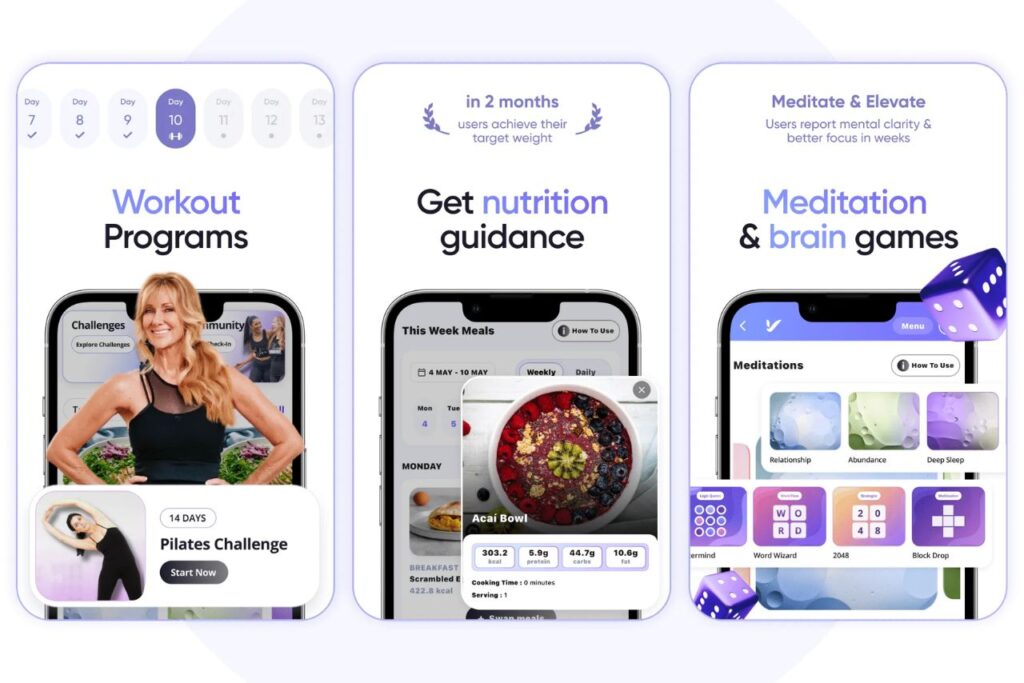
What helps: Stay mentally active with reading, puzzles, and learning new skills. Prioritize sleep (poor sleep worsens brain fog dramatically). Regular aerobic exercise improves cognitive function. Keep a journal or use apps to stay organized during this phase.
5. Weight Gain and Metabolic Changes
Many women notice weight creeping on around the abdomen even without changing their diet. Declining estrogen shifts fat distribution toward the belly, and a slower metabolism means your body burns fewer calories at rest.
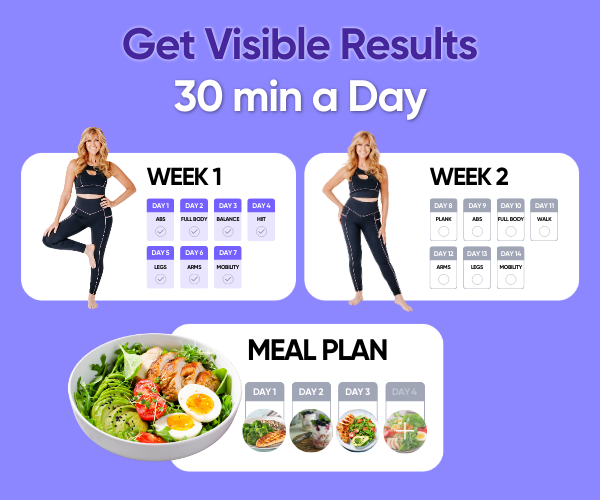
What helps: Shift focus to strength training because building muscle boosts metabolism. Prioritize protein at every meal to maintain muscle mass. Reduce processed foods and added sugars. Sleep and stress management are underrated factors in weight during this phase.
6. Vaginal Dryness and Discomfort
Lower estrogen causes the vaginal tissue to thin, dry, and become less elastic, a condition called genitourinary syndrome of menopause (GSM). This can make sex painful and increase the risk of urinary tract infections.
What helps: Over-the-counter vaginal moisturizers and lubricants provide immediate relief. Low-dose vaginal estrogen (cream, ring, or tablet) is highly effective and safe for most women, even those who can’t take systemic HRT. Don’t suffer in silence: this is extremely common and very treatable.
7. Low Libido
Declining testosterone (yes, women need testosterone too) combined with vaginal discomfort and fatigue can significantly reduce sexual desire. This affects relationships and self-esteem in ways that often go undiscussed.
What helps: Open communication with your partner is essential. Addressing vaginal dryness often improves libido. Testosterone therapy is an option worth discussing with your doctor. Stress reduction and prioritizing intimacy also make a real difference.
8. Joint Pain and Muscle Aches
Many women are surprised to learn that estrogen has anti-inflammatory properties. As it declines, joint pain and stiffness can increase, often misattributed to aging alone.
What helps: Regular low-impact exercise like swimming, yoga, or walking keeps joints mobile. Anti-inflammatory foods (omega-3 rich fish, leafy greens, berries) support joint health. HRT can reduce inflammation-related symptoms for many women.
Hormonal Changes During Menopause: Your Treatment Options
There’s no one-size-fits-all solution, but there is a solution for every woman. Here’s a quick overview of your main options:
Complementary approaches: Some women find relief with acupuncture, herbal supplements (like black cohosh or red clover), or mind-body practices, though evidence varies. Always inform your doctor of any supplements you take.
Hormone Replacement Therapy (HRT): The most effective treatment for menopausal symptoms. Modern HRT is considered safe for most healthy women under 60 or within 10 years of menopause onset. Talk to your doctor about whether it’s right for you.
Non-hormonal medications: Including certain antidepressants, gabapentin, or clonidine for hot flashes and mood symptoms.
Lifestyle changes: Exercise, nutrition, sleep hygiene, and stress management are powerful tools, and they work best in combination with medical treatment.
Vaginal therapies: Low-dose topical estrogen for vaginal and urinary symptoms, with minimal systemic absorption.
You Don’t Have to Go Through This Alone
The hormonal changes during menopause are a natural part of life, but that doesn’t mean you have to just grin and bear the symptoms. You deserve to feel well, energetic, and like yourself, at every stage of life.
Seek out a healthcare provider who specializes in menopause, connect with other women going through the same experience, and remember: this is a transition, not a life sentence. The other side of menopause is often described by women as a time of freedom, clarity, and renewed confidence.
You’ve got this.
FAQs
The perimenopause transition typically lasts 4–8 years. Symptoms like hot flashes often peak in the first 1–2 years after your last period and then gradually improve, though some women experience symptoms for a decade or more. Every woman’s timeline is different.
Most women enter perimenopause in their mid-to-late 40s, with the average age of menopause being 51. However, some women experience early menopause in their 30s or 40s, either naturally or due to surgery, chemotherapy, or other medical reasons.
Much of the fear around HRT stems from a 2002 study that was widely misrepresented. Current evidence shows that for healthy women under 60 who are within 10 years of their last period, the benefits of HRT generally outweigh the risks. That said, it’s not right for everyone, a thorough conversation with your doctor is essential.
Yes. Estrogen has protective effects on the cardiovascular system, so its decline increases your risk of heart disease over time. This is why lifestyle factors like exercise, a heart-healthy diet, not smoking, and managing blood pressure and cholesterol become even more important during and after menopause.
Some women find relief from black cohosh, phytoestrogens (found in soy and flaxseed), or red clover. The evidence is mixed, these aren’t as well-studied as HRT and work less reliably. That said, lifestyle interventions like exercise, stress management, and dietary changes have solid evidence behind them. Think of natural approaches as complementary tools, not replacements for medical care.
Because you are literally experiencing a significant hormonal shift that affects your brain chemistry, mood, energy, and body. What you’re feeling is real and valid. The hormonal changes during menopause are profound, but they are manageable. With the right support and treatment, most women feel like themselves again.