
Have you ever eaten a healthy day of food and still felt weak, hungry, or flat by evening? Many of us have. We blame our willpower or our age, but the real culprit is often quieter.
Our protein habits simply have not caught up with what our bodies now need.
Protein for women over 50 is the foundation of our strength, our metabolism, and our independence. Muscle loss after 50 accelerates when meals fall short, even when everything on the plate looks healthy.
Habits can change gently, and we do not need powders, extremes, or complicated rules. We simply need to notice five quiet habits and adjust them one small experiment at a time.
Key Takeaways: Protein for Women Over 50
- Muscle loss speeds up after 50 when our meals contain too little protein.
- Our muscles respond less efficiently to protein as we age, so each meal needs more.
- Skipping protein at breakfast and loading it into dinner limits muscle repair all day.
- Protein for women over 50 works best at 25 to 30 grams per meal, spread evenly.
- Variety matters, because different protein sources bring different nutrients.
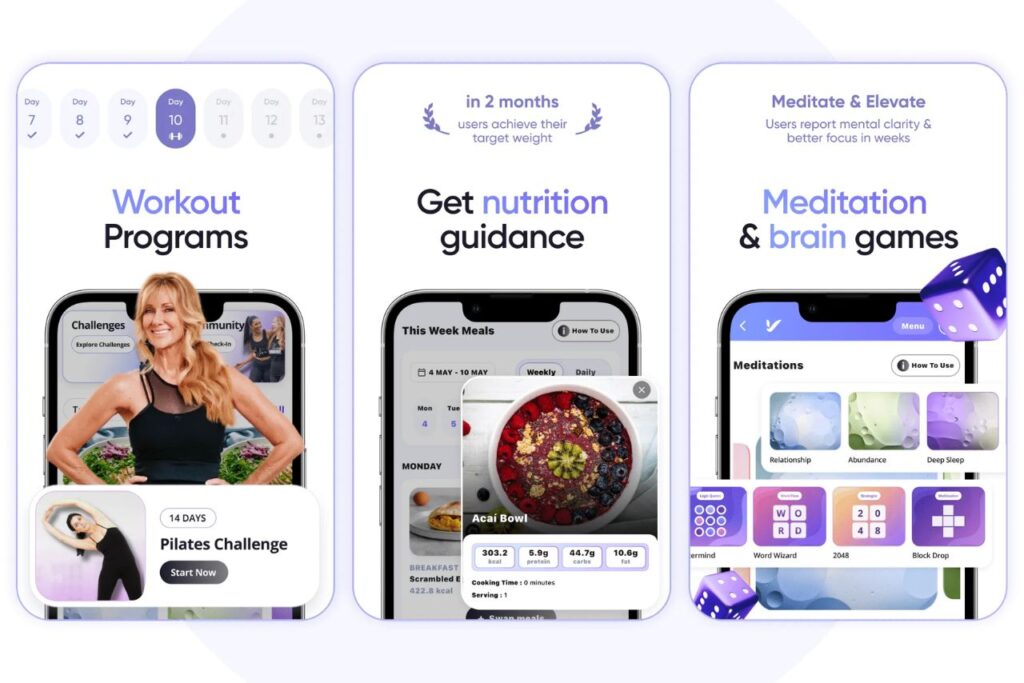
- The Fabulous50s Vitality App plans protein-rich meals for us, one day at a time.
Why Does Protein Matter More for Women Over 50?
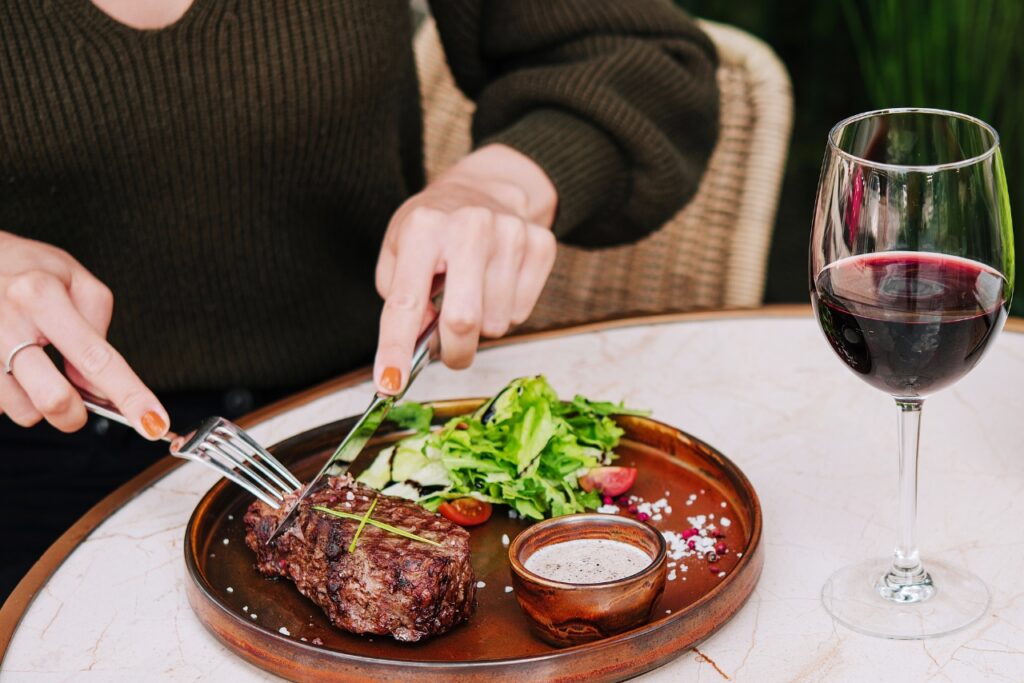
Protein gives our muscles the raw material they need to repair and rebuild. Every time we walk, lift, or climb stairs, tiny amounts of muscle tissue break down. Protein builds it back.
After 50, this rebuilding process becomes less efficient. Researchers call this anabolic resistance, which means our muscles respond less strongly to the same amount of protein. Estrogen decline during menopause adds another layer, because estrogen helps protect muscle tissue. Studies show adults can lose 3 to 8 percent of muscle per decade after 30, and the rate climbs later in life.
This is why muscle loss after 50 can sneak up on us while the scale stays the same. We feel it as a weaker grip, slower stairs, and heavier shopping bags. Protein for women over 50 is really about protecting the life we want to keep living.
READ ALSO: Why Women Lose Muscle After 50 and How to Rebuild It
How Much Protein Do Women Over 50 Need?
Most official guidelines were written with younger bodies in mind. The standard recommendation sits around 0.8 grams per kilogram of body weight. International aging experts now suggest more for us. The PROT-AGE study group recommends 1.0 to 1.2 grams per kilogram daily for healthy older adults. For a 70 kilogram woman, that means roughly 70 to 84 grams each day. If we exercise regularly, our needs sit at the higher end.
So how much protein do women over 50 need at each meal? Research suggests 25 to 30 grams per meal works beautifully, because that amount switches muscle building on. Numbers are useful, but our daily habits decide whether we actually reach them. This is where protein for women over 50 gets practical, so let us look at the habits themselves.
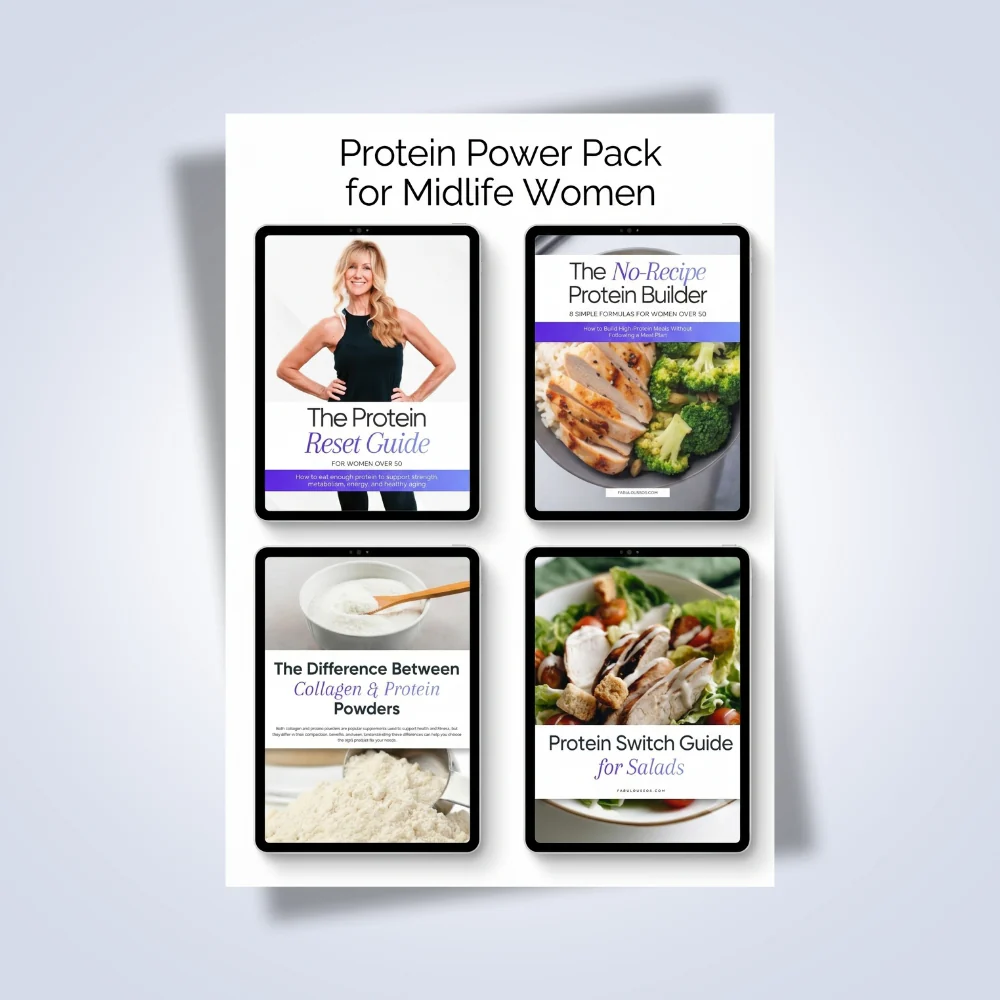
The protein puzzle, finally solved for midlife bodies.
Stop the guesswork. Get the ultimate, science-backed guide to protein for women in their 40s, 50s, and beyond. Learn the simple, practical ways to fuel your muscles, support your bones, and boost your metabolism.
Four Guides. One Complete System.
Which Protein Habits Are Quietly Costing Us Muscle?
None of these habits are failures. They are patterns most of us learned decades ago, when our bodies forgave more. Let us look at them with curiosity instead of judgment.
Are We Skipping Protein at Breakfast?
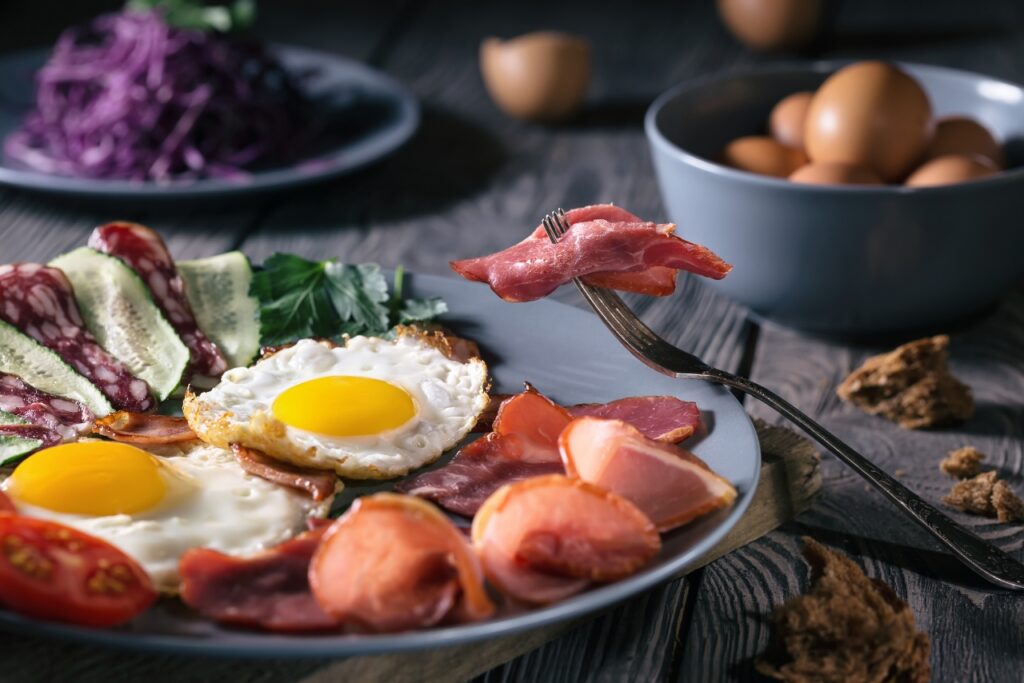
Toast, fruit, or cereal feels light and virtuous in the morning. Yet a carbohydrate-only start leaves our muscles waiting until lunch for their first repair signal. A high-protein breakfast changes the whole day. It steadies our blood sugar, calms mid-morning cravings, and starts muscle repair early. Eggs, Greek yogurt, cottage cheese, or a protein smoothie all work well.
READ ALSO: 10 Breakfast Mistakes After 50 That Quietly Cause Weight Gain
Are We Saving All Our Protein for Dinner?
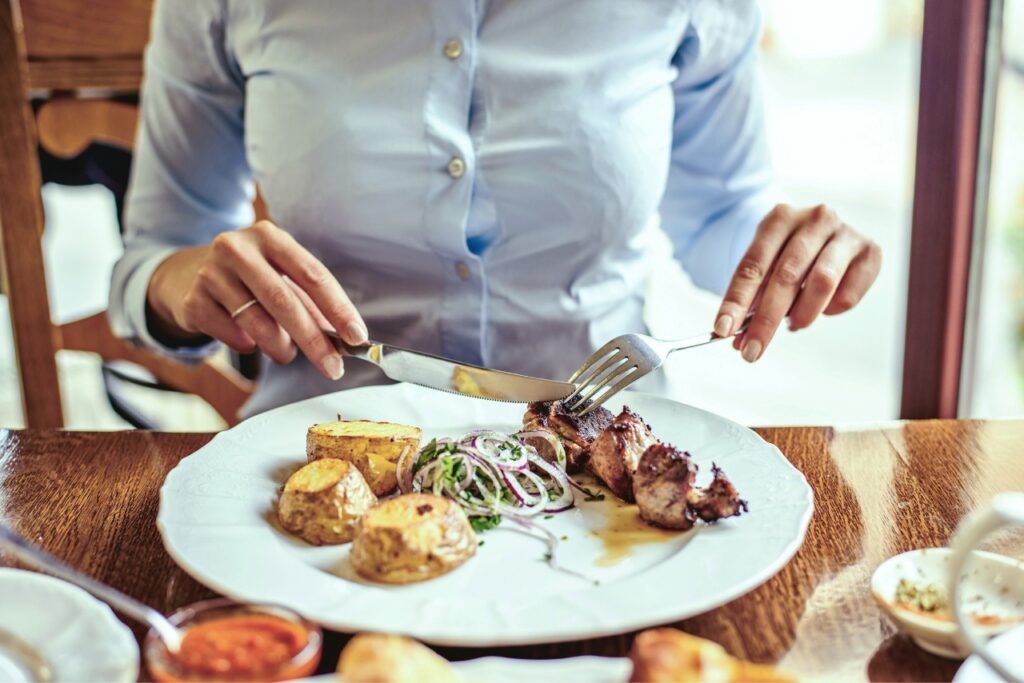
Many of us eat in a familiar way, which is a light breakfast, a salad lunch, and a big protein dinner. The daily total might look fine on paper, but the timing works against us. Our muscles can only use so much protein at once, and they need signals throughout the day.
A landmark study found that spreading protein evenly across meals increased 24-hour muscle building by about 25 percent. Same food, different timing, better results. Moving one dinner portion to breakfast or lunch is often the most powerful change we can make.
Are We Relying on the Same Two Protein Sources?
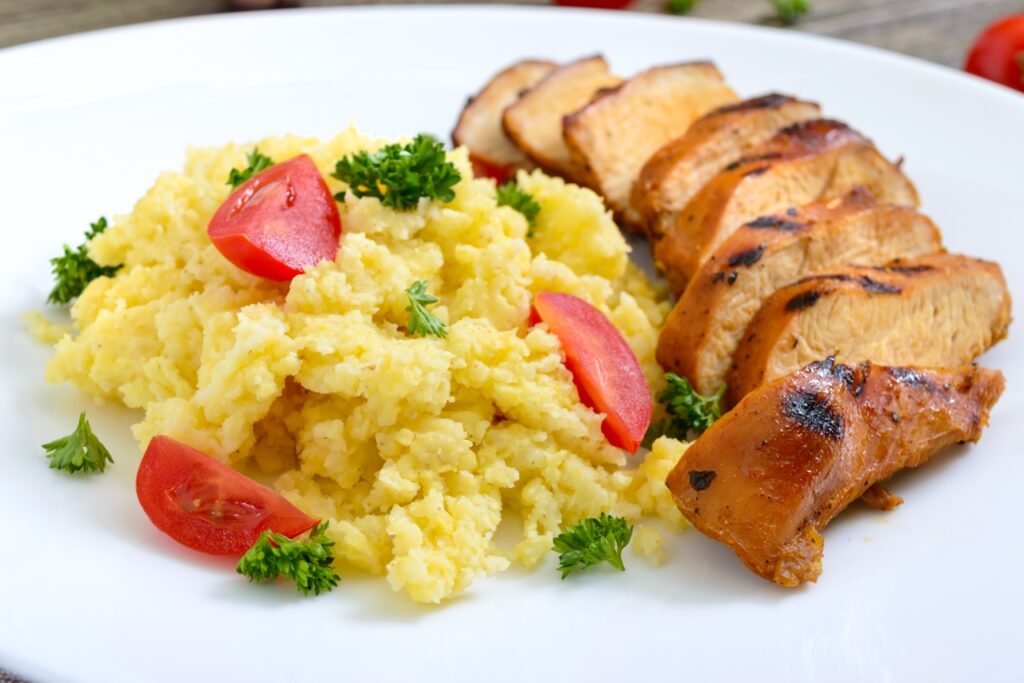
Chicken breast and eggs are wonderful, but repetition narrows our nutrition. Different sources carry different gifts. Oily fish brings omega-3 fats that support our joints and heart.
Beans and lentils bring fiber for our gut. Dairy brings calcium and leucine, an amino acid that strongly triggers muscle building. Tofu and tempeh bring plant compounds that may ease menopausal symptoms. Variety also keeps meals interesting, which keeps the habit alive.
Are We Eating Less on the Days We Rest?
It feels logical to eat lighter on the days we skip our workout. Our muscles disagree. Repair continues for 24 to 48 hours after strength training, so rest days are actually building days.
When protein drops on rest days, part of what our workout earned is quietly handed back. Keeping protein steady every day, training or not, protects our progress.
Are We Treating Protein as a Diet Food?
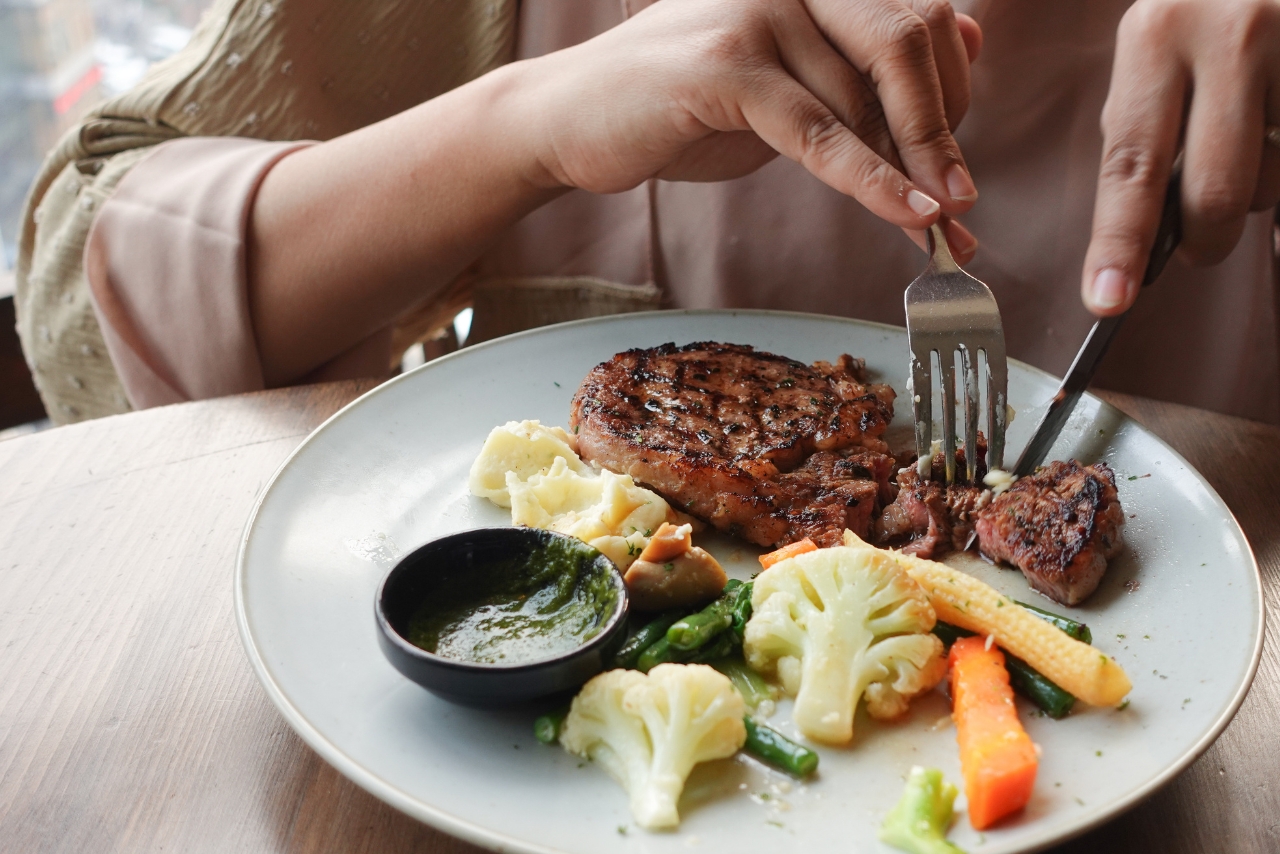
Some of us still associate protein with restriction, shakes, and joyless eating. That association was built by diet culture, not by nutrition. Protein can be a creamy dahl, a herby baked salmon, or thick yogurt with berries and honey. When protein tastes like pleasure, the habit sustains itself. Food we enjoy is food we repeat, and repetition is where strength is built.
EXPLORE MORE: Emotional Eating and Cravings: What Your Body Is Really Telling You
How Can We Build Better Protein Habits This Week?
We do not need to overhaul everything at once. Small experiments work better than grand plans. Here is a gentle way to begin:
- Add one high-protein breakfast this week and notice how the morning feels.
- Look at one dinner and move a palm-sized portion of protein to lunch instead.
- Try one new protein source, perhaps lentils, tempeh, or sardines.
- Keep protein steady on rest days, especially after strength sessions.
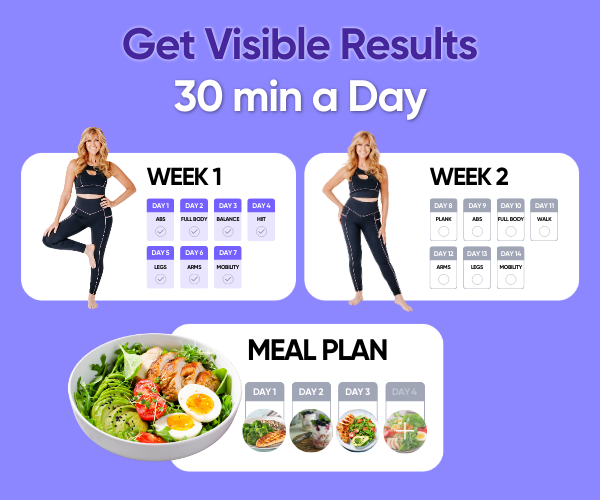
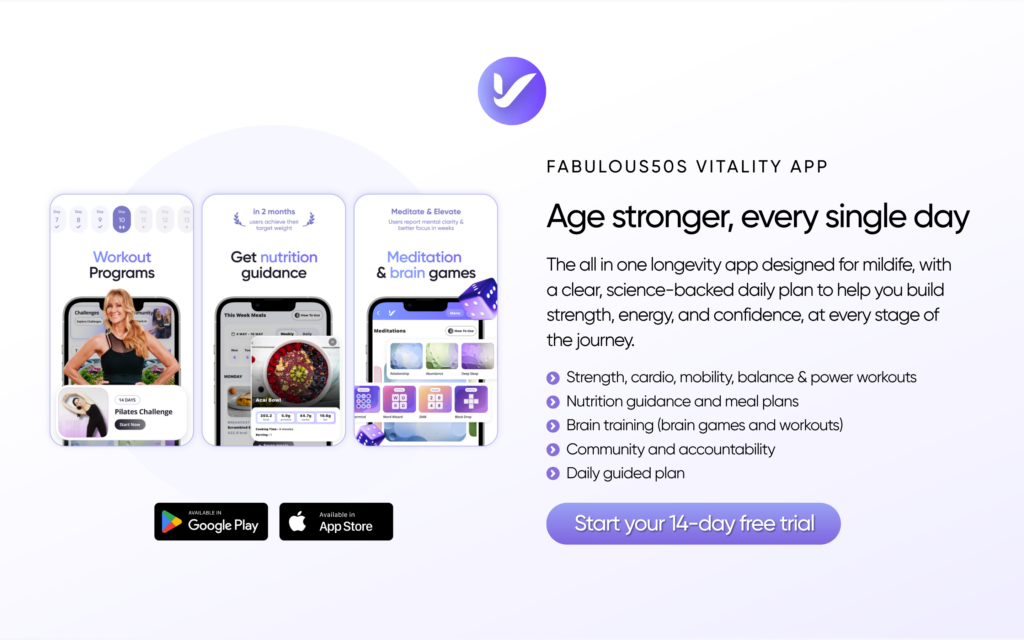
Protein for women over 50 becomes much easier when someone else does the planning. Inside the Fabulous50s Vitality App, our meal plans and high-protein recipes spread protein across the whole day for us. Consider it an experiment. Try one planned day and notice your energy by evening.
EXPLORE MORE: 10 Eating Changes to Make After 50 for Better Bones, Brain & Balance
Final Thoughts
Muscle is our retirement account for movement, and protein is the small deposit we make at every meal. None of the habits above make us failures. They are simply patterns, and patterns can change at any age.
Start with the habit that felt most familiar as you read. Protein for women over 50 is not about eating perfectly. It is about eating consistently, with enough building blocks to stay strong for the things we love.
Every meal is a small vote for the capable, independent woman we plan to be at 70, 80, and beyond.
Frequently Asked Questions
Aging experts recommend 1.0 to 1.2 grams per kilogram of body weight daily. For most of us, that lands between 65 and 90 grams. Spreading it across three meals works better than loading it into one.
The best protein for women over 50 comes from variety. Rotate eggs, Greek yogurt, fish, poultry, beans, lentils, tofu, and cottage cheese. Each source brings its own supporting nutrients.
Food provides the building blocks, but strength training provides the signal to use them. The two work together. Even two short sessions a week make a real difference.
For healthy kidneys, intakes in the recommended range are considered safe by researchers. Anyone with an existing kidney condition should speak with their doctor before increasing protein.
A palm-sized chicken breast, a cup of Greek yogurt with two eggs, or a large serving of lentils with tofu. It is more food than most of us eat at breakfast, which is exactly the point.
No, whole food comes first. A quality protein powder is simply a convenient backup for busy mornings or post-workout smoothies.
Muscle loss after 50 often hides inside a stable weight, because fat quietly replaces lean tissue. Strength can fade while the scale never moves. Protein and strength training reverse this pattern together.