



The world is full of diet fads. In the 90’s we had diet pills. In the early noughties, if you didn’t have a juicer you were missing out on life’s quintessential health boosters.
Now we have been gifted green tea pads that reduce tummy size and if you’re not eating like a Neanderthal then you’re already at a disadvantage.
I’m very sceptical as a rule to all fads. If something is touted as revolutionary and game changing in the world of weight loss, then chances are it’s just marketing jargon to sell whatever is trending.
If there was ever a ‘fad’ to jump on board with though, it’s intermittent fasting and I am so excited to share with you what I have learned about it.
What is Intermittent Fasting?
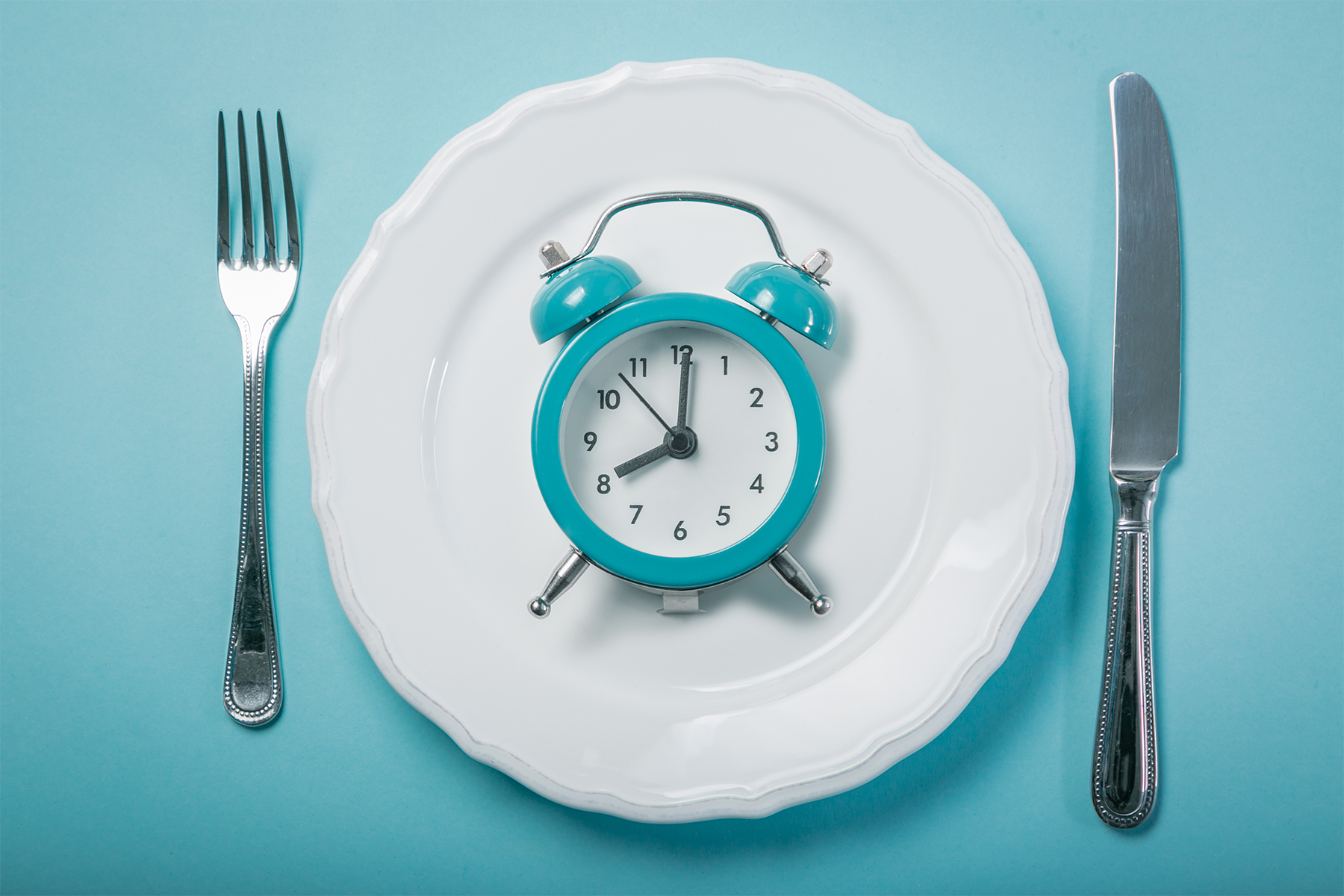
Intermittent fasting is a structured approach to eating, alternating between periods of eating and fasting to reduce overall caloric intake.
That might sound simple on paper, but when I actually tried it, I quickly discovered it’s as much a mental exercise as a physical one. Those early stages can be genuinely challenging, and I want to be honest with you about that.
I started experimenting back in 2019, and my reason wasn’t weight loss. It was longevity. What I found along the way surprised me though. My belly fat reduced noticeably, my mental clarity improved, my sleep deepened, and my energy went up. The belly fat shift made a lot of sense to me, because hormonal changes during menopause tend to push weight storage toward the mid-section, and something was clearly shifting hormonally.
What really settled my mind was something Professor David Sinclair of Harvard said. He’s one of the longevity researchers I respect most, and he was refreshingly honest: nobody knows the exact answer or the perfect fasting method, even if they say they do.
Research on mice has shown that reducing food intake by 30% can increase lifespan by 30%, and knowing the science points in a clear direction without demanding perfection made this feel so much more approachable.
My Notes on Intermittent Fasting
Intermittent fasting has genuinely changed the way I think about food and what it means to age well. It’s given me a whole new lens on longevity, and I want to share everything I’ve learned so we can explore this together.
Note that I’m not a healthcare professional, and everyone’s body is different, so please check in with your doctor before starting any fasting protocol.
Start with a 12-hour fast. Finish eating by 8pm, don’t eat again until 8am, and you’ve done it. Most of that is happening while you sleep, so it’s much easier than it sounds. Once that feels comfortable, experiment with pushing your first meal to noon for a 16-hour fast, and from there you can try eating between 2pm and 6pm. Take your time with each stage and let your body adjust. You can also fast every other day rather than daily, and please don’t obsess over getting it perfect.
Here’s what I find fascinating: skipping breakfast alone means eating roughly 30% less food without really trying. Research also shows that in animal studies, even subjects that overate during their eating window still showed a 30% increase in lifespan, suggesting that when we eat may matter just as much as what we eat.
Science Behind Intermittent Fasting
There is some science at play here as well, namely your bodies production of HGH. Before we get to that, I should explain why this is. When we eat, our bodies naturally produce insulin to store glucose from carbohydrates for later use.
We live in a society when all of our meals are generally regular, and we are bombarded with high sugar and fat levels in most consumables. This puts us in an anabolic state, meaning we are constantly gaining.
Glucose from food is stored as fat, hence, weight gain. Intermittent fasting essentially reverses this process and allows our cells to release the stored glucose for energy. Cells enter a catabolic state (breaking down) leading to weight loss. HGH is produced in response to your bodies need for glucose, so when we are constantly eating, HGH production is suppressed because we are getting glucose externally.
HGH is responsible for regulating metabolism and has all sorts of wonderful qualities for muscle repair and fat burning. Intermittent fasting has been shown to boost HGH production by up to 5x.
READ ALSO: Intermittent Fasting For Weight Loss Explained
Intermittent Fasting For Longevity
Another aspect to intermittent fasting that I find fascinating and ground-breaking (excuse the term) is its anti-ageing effects and the advancements it poses for longevity. This is achieved primarily through autophagy which is your body’s natural way of cleaning out all of the damaged cells and replacing them with new healthy ones. It’s like recycling.
For longevity, this is super exciting. A natural, healthy way of replacing old cells and turning the clock back with the production of young cells. Autophagy is hardwired into us from our ancestors and acts to supplement the body with energy from itself (self-eating). This can’t last indefinitely of course, but you will be eating every day so your body doesn’t need to keep this up forever.
Autophagy is increased through intermittent fasting as our cells become stressed. Autophagy comes into play to help protect and replenish. This actually enhances our lifespan. I love listening to the teachings of Dr (whatshisname?) who has put all of these theories to practice on rats.
What he has found is astounding. He has been able to show unequivocally that CR is able to increase the lifespan of rats by 30%. No drugs, no medicine, just a simple trick we can all implement into our lives.
Intermittent Fasting for Weight Loss
Intermittent fasting can be a helpful weight loss tool for some women over 50 because it gives your body longer breaks between meals. Instead of focusing only on what you eat, it also looks at when you eat. This may help reduce constant snacking, support better blood sugar control, and make it easier to create a gentle calorie deficit without feeling like you are always dieting.
However, intermittent fasting is not a magic solution, especially after 50. If you are not eating enough protein, sleeping well, managing stress, or doing strength-based exercise, fasting alone may not give you the results you want. Some women also find that fasting too long makes them tired, irritable, or more likely to overeat later in the day. Your body still needs steady nourishment to protect muscle, support hormones, and keep your energy strong.
The key is to use intermittent fasting in a way that works with your body, not against it. A simple 12-hour overnight fast may be a gentle place to start, while making sure your meals are rich in protein, fiber, and healthy fats.
For a deeper look at why weight loss can feel harder after 50, read The ONE Major Reason You’re Not Losing Weight Over 50, where we explain what may be holding your body back and how to support lasting results.
Tips For Getting Started
Jumping straight into intermittent fasting without any preparation makes it harder than it needs to be. One thing we really want to avoid is using the eating window as a reason to binge on processed foods, because if we do that, we’re unlikely to see any results at all.
Give yourself two weeks of eating as cleanly as possible before you start fasting, and the transition will feel so much more natural.
Staying on track takes a little strategy, so here’s what actually worked for me.
- Cutting out night snacking was honestly the hardest part. What helped was something David Sinclair said: that feeling a little hungry is a reminder of the good you’re doing for your body. Once I reframed hunger that way, it became much easier to sit with.
- A few granules of Himalayan rock salt under my tongue when hunger kicks in genuinely takes the edge off. I was completely sceptical when I first heard this, but it works.
- While fasting, I don’t take supplements. The whole point is to let your body do its own work during that window.
- When I break my fast, the first thing I eat is protein, not fat, not carbohydrates. My body responds really well to that.
- On busy days, I shift to a 20/4 fast so I’m not thinking about food or meal prep at all. I adjust my fasting window around my life, and that flexibility is part of what makes this sustainable. I always come back to the fast because it makes me feel really, really good.
READ ALSO: What to Know About Intermittent Fasting During Menopause
What to Eat on Eating Days
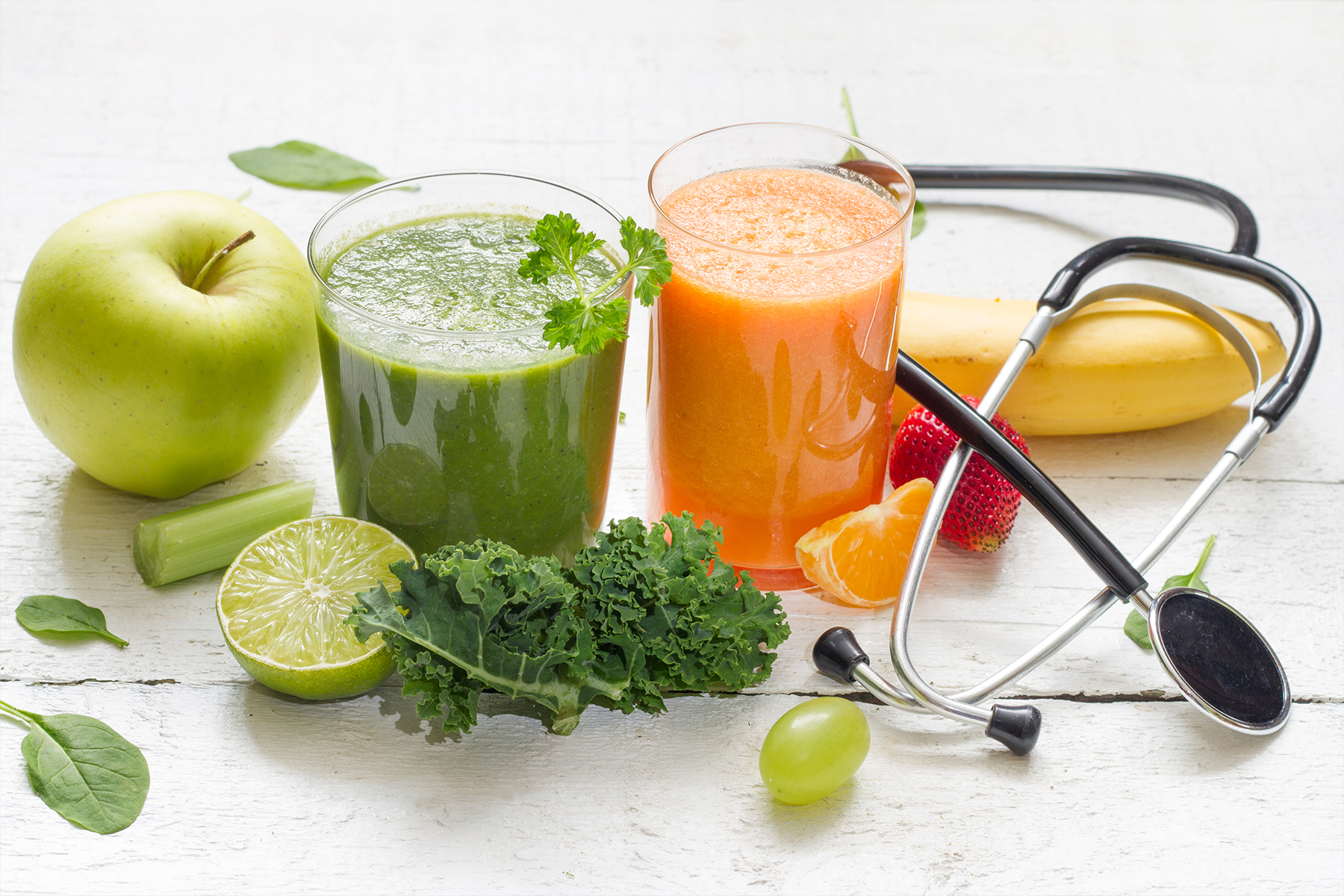
On your eating days, the goal is not to “make up” for the fasting period or eat as little as possible. The goal is to nourish your body properly so your metabolism, muscles, hormones, and energy levels feel supported. Focus on balanced meals with protein, fiber-rich carbohydrates, healthy fats, and plenty of colorful vegetables. This helps keep you full, steady your blood sugar, and reduce the cravings that can make intermittent fasting harder to maintain.
For women over 50, protein is especially important because it helps protect muscle, which naturally declines with age. Try to include foods like eggs, Greek yogurt, fish, chicken, tofu, beans, lentils, cottage cheese, or lean meats with your meals. Then add fiber-rich foods such as leafy greens, berries, avocado, oats, sweet potatoes, broccoli, chia seeds, and nuts. These foods help you feel satisfied while also supporting digestion and belly fat loss.
It also helps to choose foods that naturally support fat loss instead of ultra-processed foods that leave you hungry again quickly. Think simple, whole foods that fuel your body and make fasting feel easier the next day.
For more ideas, you can read our guide on 17 Foods That Burn Belly Fat Fast Over 50, where we share some of the best foods to add to your meals when your goal is to feel lighter, stronger, and more in control of your weight after 50.
What Should You Eat on Non-Fasting Days?
Non-fasting days are not a free pass to eat whatever you want, and we want to be really clear about that, because this is where so many women over 50 accidentally undo all the good work they’ve done.
The goal is to nourish your body well, so that when your fasting window opens, your cells have everything they need to repair, rebuild, and thrive.
We’re going to focus on foods that keep blood sugar stable, support lean muscle, and keep you feeling full and satisfied, rather than reaching for the biscuit tin an hour after eating.
Protein is your best friend on eating days, especially as we get older. Research shows that women over 50 need more protein than they did in their 30s to maintain muscle mass and support metabolic health, so we want to aim for a good source of protein at every meal.
Eat eggs, salmon, chicken, legumes, Greek yoghurt, or a quality protein smoothie. Pair that with plenty of colourful vegetables, healthy fats like avocado and olive oil, and slow-digesting carbohydrates like sweet potato, oats, or brown rice. This combination keeps your energy steady and your hunger hormones in check.
It also helps to eat mindfully and stop when you feel satisfied rather than stuffed. Intermittent fasting works best as part of a whole lifestyle, not just a time window. So on your eating days, we really encourage you to sit down for your meals, chew slowly, and enjoy the food you’re giving your body.
READ ALSO: Menopause Meal Plans That Work (Science-Backed)
Final Thoughts
I am so happy that I decided to give intermittent fasting a go and I’m so excited for you to try it for yourself.
So, I want you all to be feeling as good as you possibly can, and intermittent fasting is a simple practice you can add to your eating habits to help with weight loss and improve your longevity.
I would love to hear your thoughts on this and any finding you make for yourself!









13 Responses
I’ve been practicing intermittent fasting for a few months now, and was surprised to see how quickly my body adapted. My schedule is noon to 8pm, or 9, then I don’t eat until the next lunch. I generally feel the first pangs of hunger around 10am, but found that they don’t last for long, and with a bit of will, I’m able to push through lunch time. The only times I’m having breakfast is when I feel really tired or really hungry, then I will favor proteins rather than sugar.
I have seen an overall reduction in body fat especially around the waist and hips, which is really great. My face has slimmed too so I need to put no a bit more make up, but it’s a great feeling being able to fit in my pants again, and going down a size in some clothes. I thought I would not be able to work and be productive in the morning without breakfast, but in fact, I have energy and am able to focus more than after my usual two cups of coffee, toasts and cheese. I have one cup of coffee black, no sugar and that’s it.
I also try to keep juicing regularly, and reduced my sugar intake as well. Fasting is a very natural and ancestral remedy, and a way for our body to cleanse itself without any artificial means or ‘detox’ diet. It’s super cheap and super easy, anybody can do it. The key I think is to take it slow and gradually increase your fasting period until you’re able to go 16 hours without eating. It is not eating less in quantity: it’s eating in a way that leaves our body time to process the food completely and cleanse itself as well.
Hi Schellea ! I tried intermittant fasring , fasting 15 hours eating about 9 hours. I found i wasnt able to fall asleep because i was ravenous. Also i read that if you have adrenal exhaustion and are hypothyroid not to do IF .it makes it worse. I have severe adrenal exhaustion and I am hypothyroid . I’m quite confused . Can you advise me please?
Hi Schellea, I have been looking and not found the answer and maybe you know. What about coffee, can I have coffee in the morning? Can I have it with stevia? Any ideas
Hi
I read the great book « the scientific approach to IF » and yes you can have coffee or tea without sugar.
This is very inspiring…. 12 hours is normal to me, as I eat early dinner and breakfast after 12 hours daily because I do my workout mid morning. Could you tell me, if I move to 18 hours or 20 hours, when is it a good time to workout? Can I work out mid morning without eating for over 14 hours? I would love your advice on this problem.
Hi Schellea
I went into medical menopause last year and slowly the kgs have crept on. I’ve been doing IF for 6 months. From Monday to Friday I do 20-4. It works well when I’m working. I allow myself a bit of ‘normal’ on the week-end. I have lost 4kg in the process. Funnily enough I can’t wait for Sunday 7pm when my routine starts back. I have black coffee with collagen powder for breakfast and drink peppermint tea during the day.
My hot flashes cause anxiety and insomnia, so I don’t get good sleep. Hoping IF will help eventually. Love your work Schellea!
I did intermittent fasting a couple of years ago. It was great. I lost about 13 pounds that I had been trying to lose for about 20 years! I did do a different one though. 2-3 days a week you limit your calories to 500 that day. Don’t do back to back days.
Great article Shellea!
I have been able to finally lose weight by introducing fasting. I’ve watched a few TED Talks on this subject, too. Your findings are right along the same veins as what I’ve already heard.
Love your workouts, too! You are INSPIRING!
Thank you,
Kathleen
I have been doing IF for over a year. I don’t eat breakfast, just lunch and dinner. I have not noticed any weight loss—which I want— or any fat dis-appearing off my waist and hips. I have noticed I am gaining. I believe there must be certain foods you have to eat , as I am having no success eating my normal. diet. I usually eat a sandwich for lunch, and a normal dinner— meat/fish, a potatoe and salad or veg. Very seldom dessert. I don’t snack as I’m not hungry. I am wondering if I have adrenal fatigue, or am hypothyroid. I had my thyroid tested, but Dr says it’s normal.
Any ideas, anyone? Very frustrating.
Thank you for your workout channel and your positivity! I started IF over 4 months ago and it’s a life changer. I have breakfast and lunch and then nothing till the next breakfast. So I fast for about 18 or 19 hours. The first thing I do in the morning before breakfast is your hitt workout and the toned ab belly burn fat workout. Losing weight is the tip of the iceberg. It changes everything. I think if everyone did it our social security (I am in France) would make profit! I encourage everyone to try it: it is simple free and effective.
I think being granted ‘permission to be hungry’ is the very best thing I have learned. We were always taught to panic if we felt hungry, as historically hunger has been a negative thing understandably, during times of war, famine and general poverty. I am trying this and am struggling through hungry mornings feeling a little weak at work, but am going to persevere! I tell myself that my body is in recycling and rebuilding mode and I am doing myself good. Thank you for all your wonderful and generous advise and enthusiasm.
Thank you Schellea
I started fasting back in January 2022 and found you on you tube , down 73 lbs now from 190-117 , fasting worked for me starting at 16 hrs and knew after a week that it was not to bad with hunger , hunger heals???? then onto 18 hrs ! seems I’m not craving anything and that’s a great thing ! I did however cut out all high carbs , and don’t miss at all! Fasting is a lifestyle now with working out to you daily I can have more protein meals, and so much stronger and proud of my body now , love it ! and all your fantastic supportive subscribers
Wow ???? You are on fire! And should be so proud of your fabulous self ???? Thanks for making me smile Marilyn!