

The page you requested could not be found.
You might be interested in exploring our Blog.
Stiff hips. Aching joints. A body that no longer moves the way it used to. Mobility is how we give that freedom back to ourselves, a few minutes at a time.
Gentle, practical movement for women over 50. Begin exactly where your body is today.
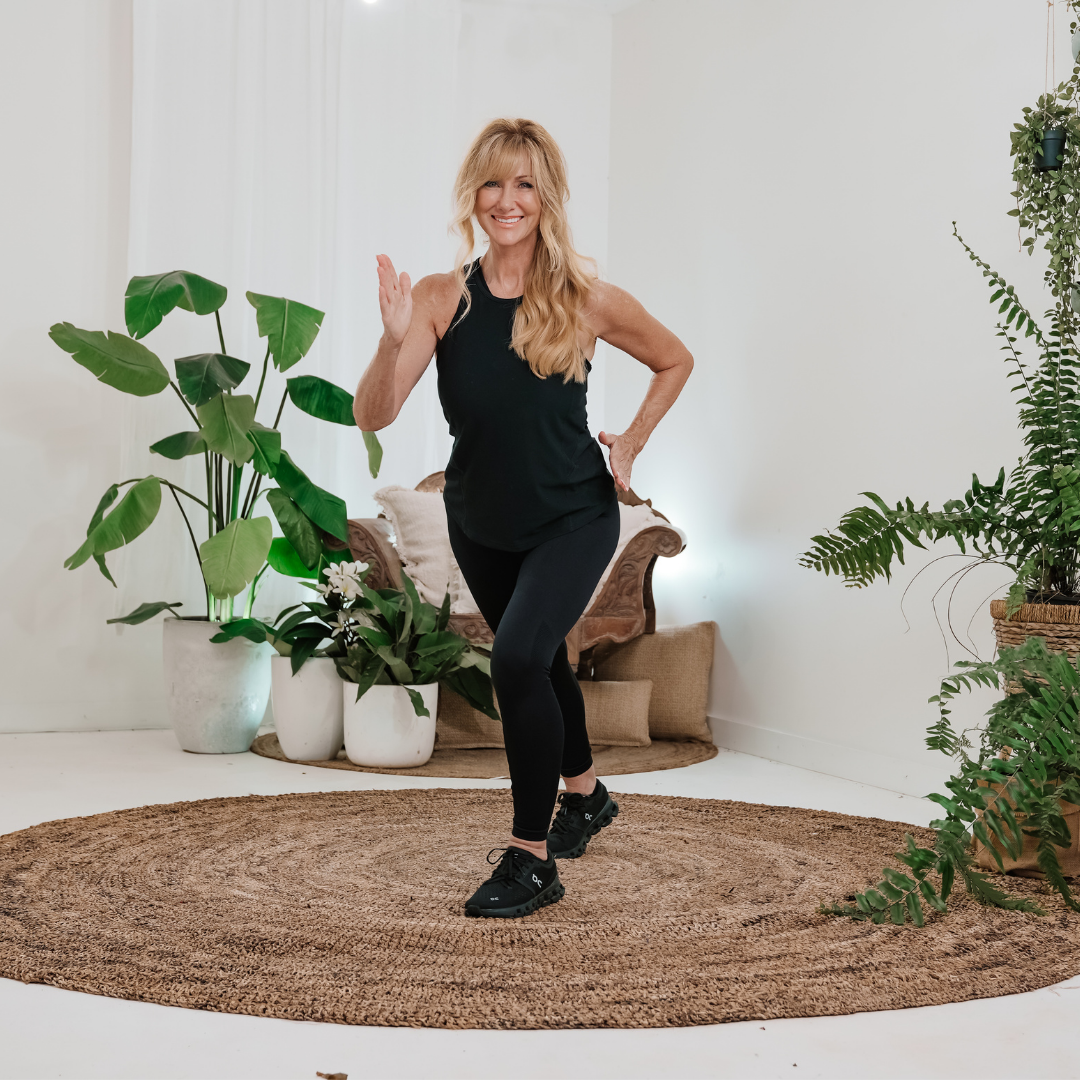
Mobility is simply the ability to move well. As we age our collagen declines, our tissues stiffen and our joints lose the range they once had.
It’s completely natural, and it’s happening to all of us. The good news is that we can do something about it, and that’s why I encourage every woman over 50 to practise mobility so you can keep reaching, bending, turning and getting down to the floor and back up again, with comfort and confidence, for years to come.
Stretching and mobility have been part of my life for as long as I can remember.
My mum was a yoga teacher. In fact, she was one of the first here in Australia back in the 1970s. From the age of four or five, I was in her classes in the basement of our home. My sister and I would giggle away while Mum taught the ladies how to breathe, stretch and move their bodies.
As I grew up, one thing never changed. No matter what stage of life she was in, Mum did her stretching every single day. Even when she became very ill with cancer, she still moved and stretched her body as best she could. She couldn’t always do what she once did, but the habit stayed. Movement was simply part of who she was. She was incredibly flexible, and I remember thinking that I wanted that for myself.
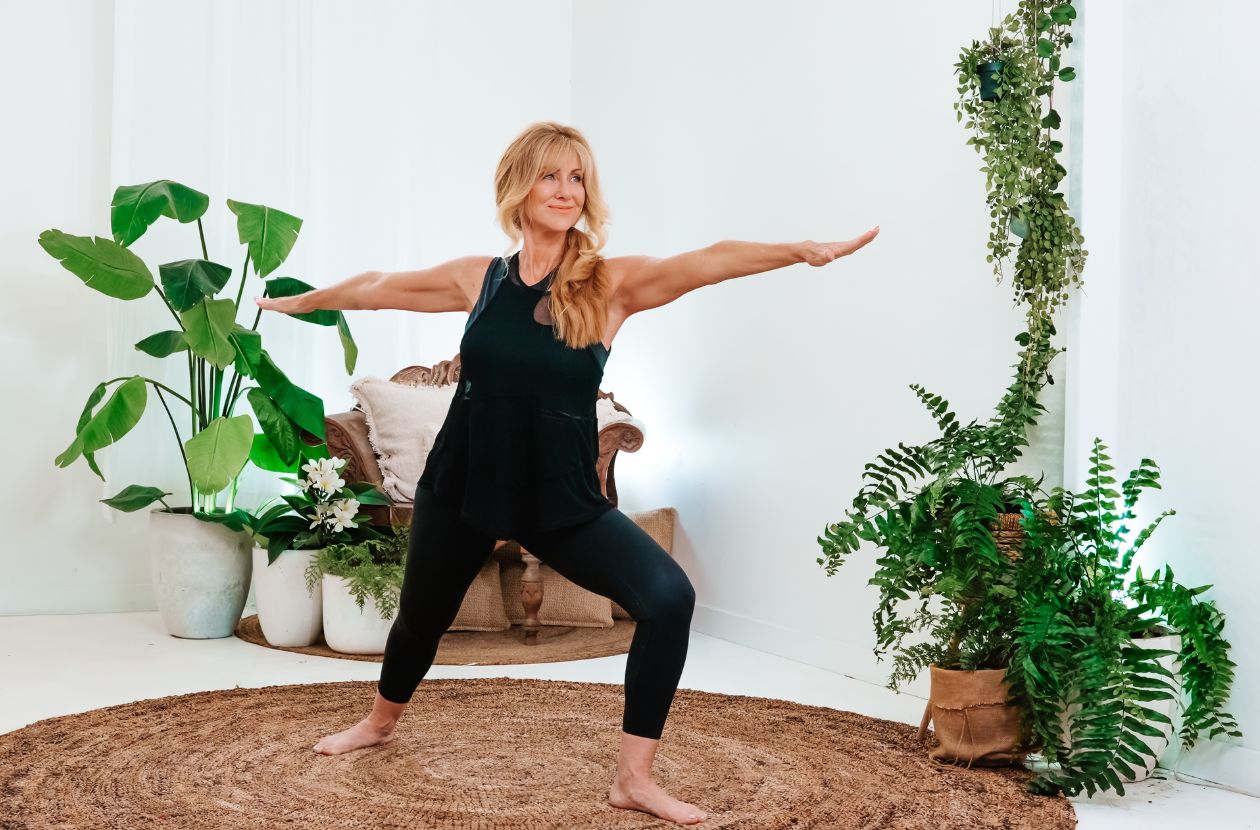
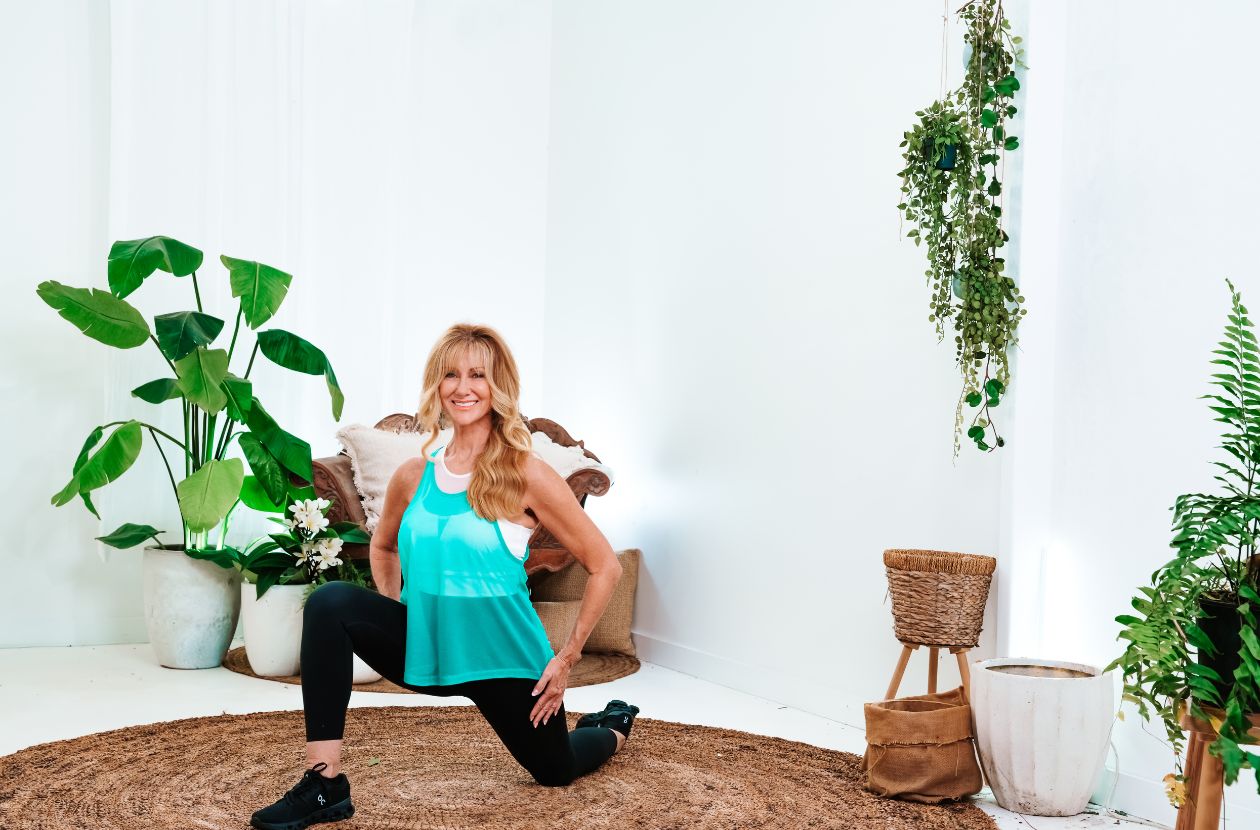
And I had it. Good flexibility and a lovely range of motion, right up until menopause.
At around 55 or 56, I started noticing my joints hurting. My body no longer moved the way it used to. Stretching felt different. My hips in particular became really stiff, and I realised that if I didn’t do something about it, I would slowly lose the freedom of movement I’d always taken for granted.
So I started doing more hip mobility work. And today I practise it every single day, because I don’t want my hips limiting me as I get older. I want to keep walking, travelling, getting down to the floor and back up again, climbing stairs and moving confidently for many years to come.
That’s exactly why mobility is one of the pillars of the Fabulous50s Longevity Protocol.
But I do believe we need to move our joints regularly and take our bodies into positions that modern life no longer asks of us.
I notice this so clearly when I watch women in more traditional cultures. They’re constantly moving. They squat to cook, bend to clean, carry things, climb hills and walk long distances. Their bodies keep performing these natural, primal movements every day, and many of them don’t experience the same rapid decline in movement I so often see in Western women.
I think that’s because we’ve unintentionally designed movement out of our lives. We sit in chairs, drive everywhere, take the lift instead of the stairs and spend hours looking at screens. Over time, our bodies adapt to all that stillness by becoming stiff and rigid.
Mobility is simply the ability to move well. And when we stop moving well, everyday tasks slowly become harder.
And one last thing I always tell our Fabulous50s ladies. If a stretch feels hard, don’t force your body to look like somebody else’s. Go only as far as your body comfortably allows. Breathe. Hold the position. Be patient.
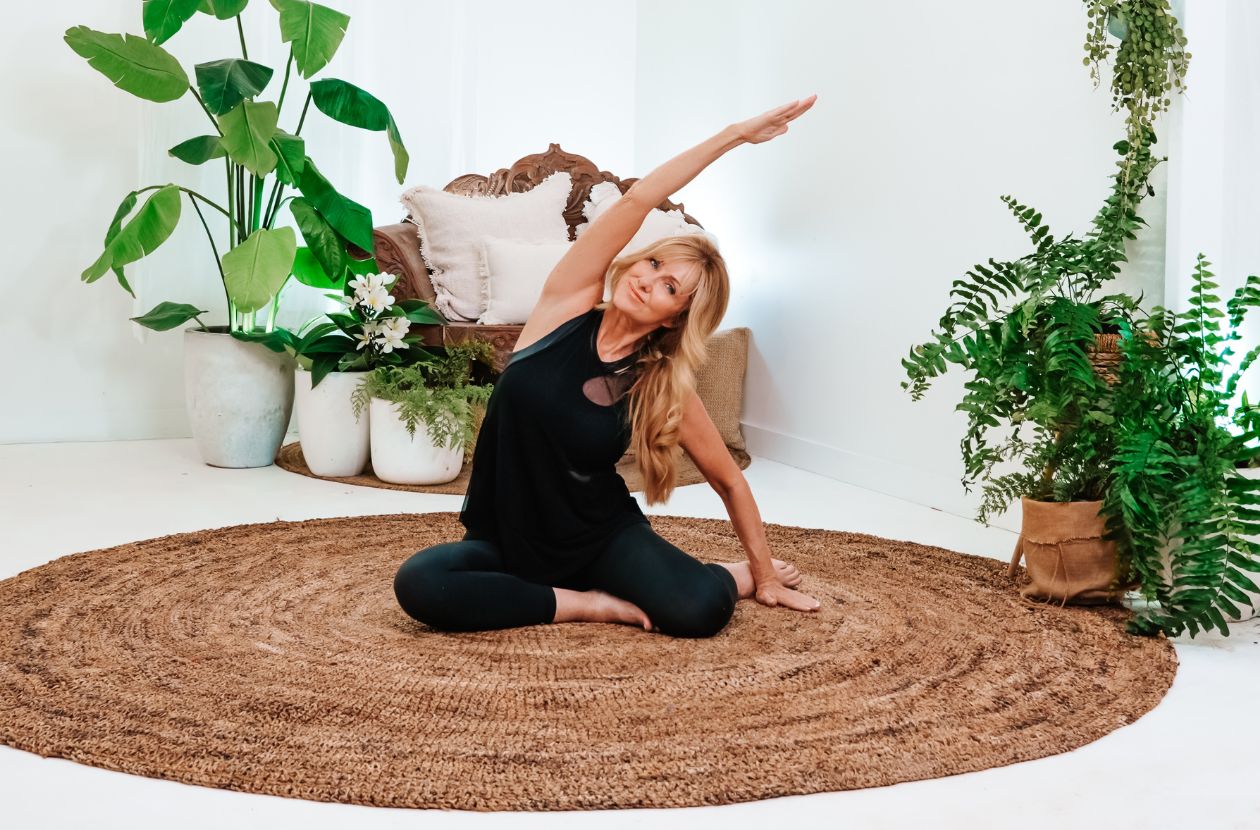
The Fabulous50s Longevity Protocol™ begins with Movement. Ten minutes a day is our MVP, the minimum that keeps you young. Those ten minutes cover the Fabulous50s Five Pillars of Longevity™: strength, cardio, balance, power and mobility.
Three Supporting Elements hold that movement up. Nutrition brings the protein, fibre, minerals, carbohydrates and fats that keep your muscle, bone and energy strong. Recovery is your sleep, your meditation, your community and your kindness towards yourself. Brain Training is five focused, repeatable games that keep your mind sharp.
Choose the area that feels stiff, tight or restricted today. We’ll guide you towards a gentle starting point to help you move with more comfort, control and confidence.
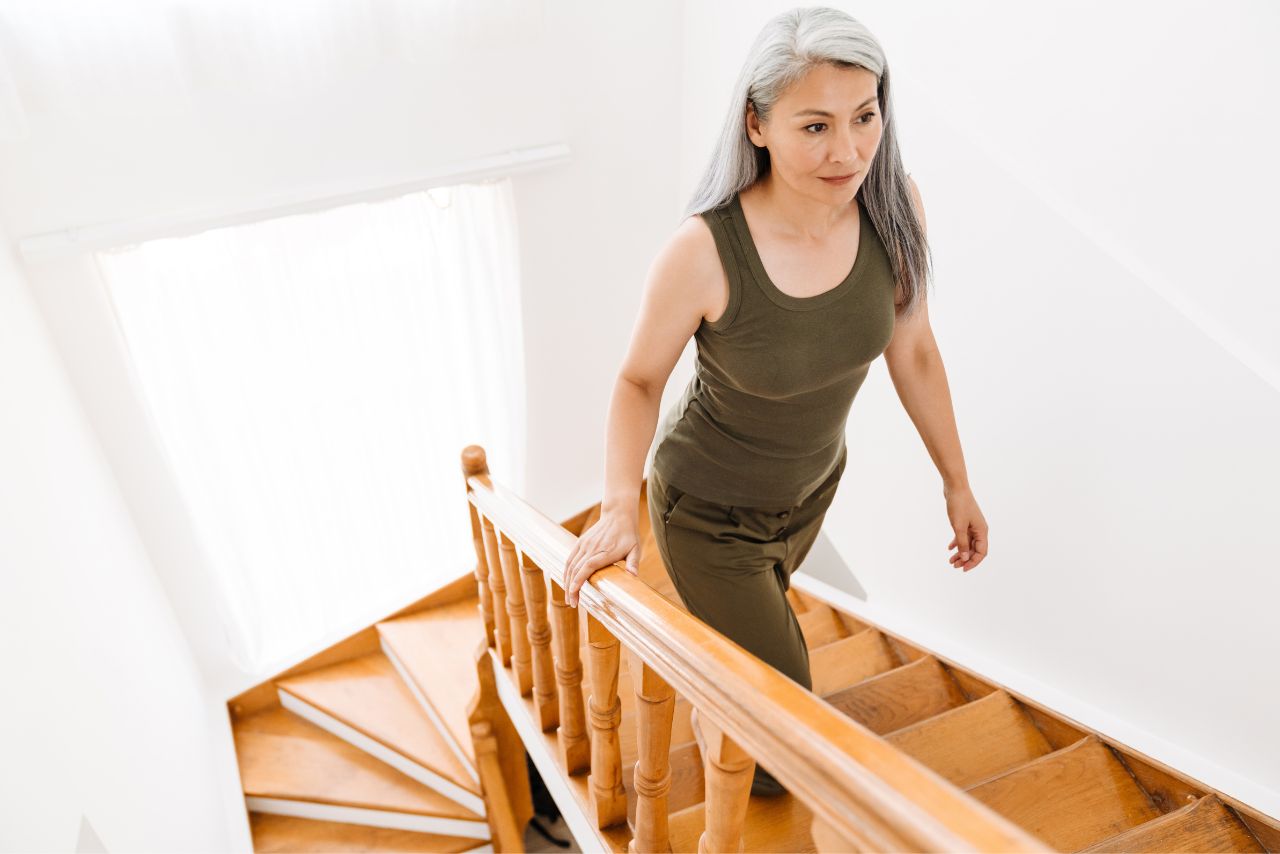
Restore movement for walking, stairs, turning and getting out of a chair.
Open the upper body and support easier reaching and posture.
Try short, gentle routines for mornings, movement breaks and daily comfort.
Build the mobility, strength and confidence to lower and rise safely.
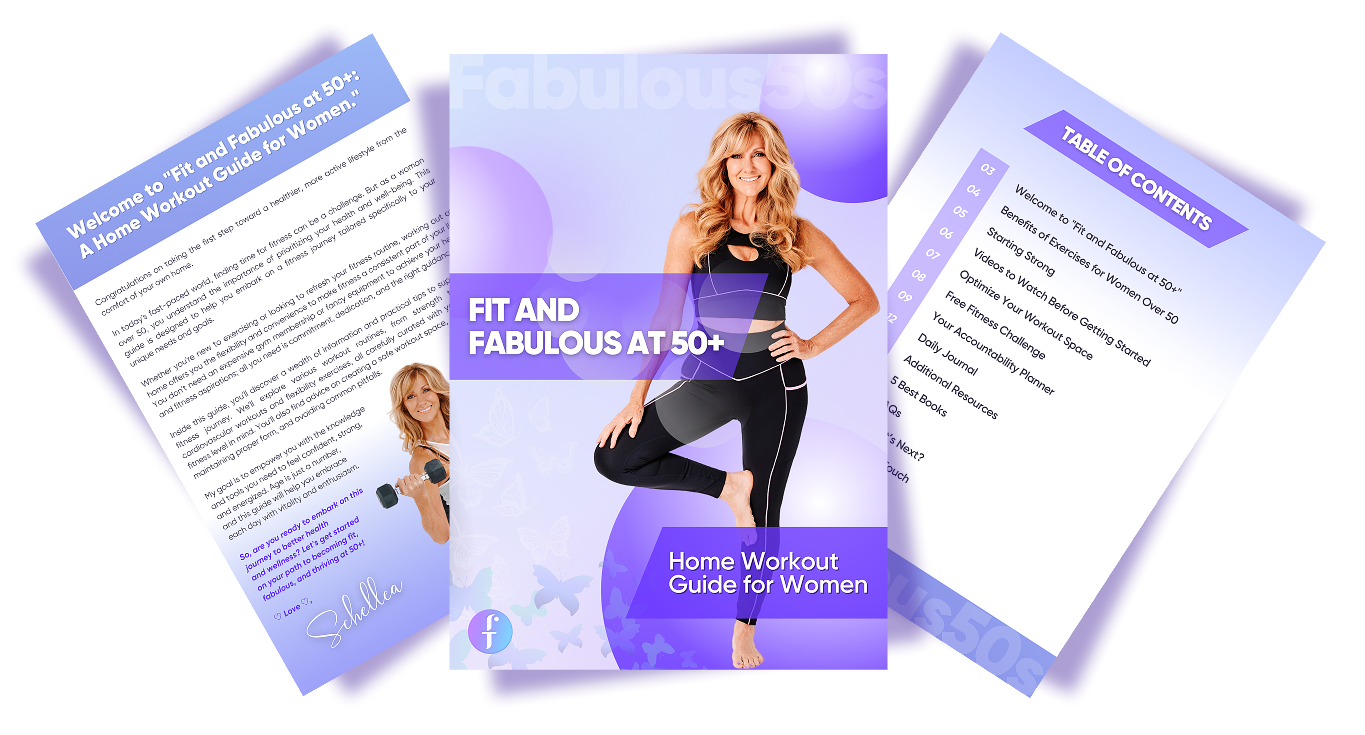
Choose a short routine that matches how your body feels today, whether you need a gentle start, more freedom through your hips or a whole-body morning reset. Move slowly, stay within a comfortable range and remember that even five minutes can make a meaningful difference.
A short whole-body sequence that moves the hips, legs, shoulders, arms and spine without equipment.
Move the neck, shoulders, spine, hips, ankles and feet before the day begins.
A practical overview for women who want a simple place to begin.
Take a moment to check how everyday movements feel in your body right now. This is not a test of flexibility but a simple way to notice which areas may benefit from more regular mobility practice.
Choose how each movement felt today and we will point you to a gentle place to begin.
The hips influence walking, stairs, balance, floor movement, travel and the confidence of our stride.
A focused routine for loosening tight hips when time is limited.
Explore a wider selection of hip movements for comfort and usable range.
Support easier reaching, turning and a more open upper body after hours of sitting and screen use.
Gentle movements to support reaching, dressing and comfortable upper-body motion.
Restore rotation and openness through areas that often become tight from modern living.
Use stretching to create space, then practise moving through it with greater control.
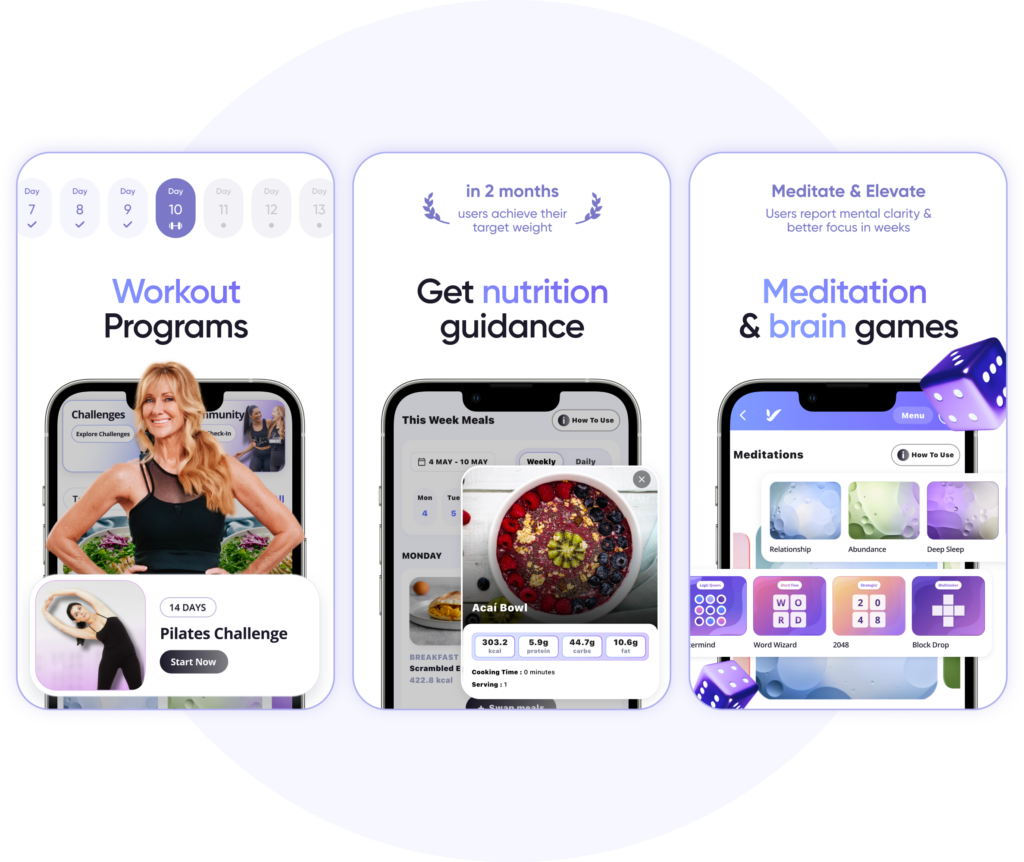
Fabulous50s vitality app
The all in one longevity app designed for midlife, with a clear, science-backed daily plan to help you build strength, energy, and confidence, at every stage of the journey.
Modern life no longer asks much of our bodies. We sit in chairs, drive everywhere and take the lift instead of the stairs. Squatting, bending, carrying and climbing have quietly disappeared from our days. So make a conscious effort to move more of your body throughout the day, even in small, gentle ways.
Gentle options for helping the body feel warmer, more open and ready to move.
Build small movement practices into mornings, workouts and everyday routines.
Learn why stretching creates space while mobility makes that range useful in real life.
These guides support women who need a chair, have bone-health concerns or want to rebuild confidence with floor movement.
Accessible movement for days when standing exercise is not the right starting point.
Movement options designed to support activity while respecting individual safety needs.
Practise the pieces of a whole-body skill using a chair, wall, cushion or sofa for support.
Shoulder mobility and upper-back extension.
Neck, rib cage and spinal rotation.
Hips, ankles, strength, balance and confidence.
Hip extension, ankle movement and posture.
Hip and ankle mobility working with strength.
Hip rotation, bending and control.
Flexibility is the ability of muscles and soft tissues to lengthen. Stretching can help the body feel less tight and more open.
Mobility is the ability to move a joint through a useful range with comfort, control and confidence. We are not training for a perfect pose. We are training for life.
The Fabulous50s Vitality App brings mobility together with strength, cardio, balance and power in a guided plan created for women over 50.
Schellea Fowler is a Certified Personal Trainer and Neuro Athletics Coach specializing in exercise for older adults and the creator of The Fabulous50s Longevity Protocol™.
She built the Protocol out of her own decade of living through menopause, an osteoporosis diagnosis, and the body changes that come with age, after finding no program that actually fit this stage of life. Her approach flips the script most women are handed: instead of focusing on what they are losing, chiefly weight, she trains women to gain. Gain back bone, muscle, fitness, mobility, balance, and confidence. It is a five-pillar training system that slots easily into the average woman’s week, with a longevity test for each pillar so you can see where you are strong, where you are weak, train for it, and retest. Following her own diagnosis, Schellea did exactly that, rebuilding bone density, strength, and mobility and lowering key biological age markers.
Today, through Fabulous50s, she has helped millions of women across the world build strength, mobility, and confidence, evidenced by tens of thousands of comments from women who have done the training and seen the results.
Schellea Fowler
Founder of Fabulous50s and Vitality App
Five to ten minutes can be a useful starting point. The most important habit is choosing a gentle routine you can repeat consistently.
No. Stretching supports flexibility, while mobility asks the body to use range of motion with control. Both matter, but mobility connects that range to daily life.
Flexibility refers mainly to how far muscles and soft tissues can lengthen, while mobility is our ability to actively control movement through that range. We need both, but mobility is what helps make that range of motion useful in everyday life.
Yes. A sturdy chair can provide support and confidence while you practise seated or standing mobility exercises.
You can begin from wherever your body is today. The Fabulous50s approach is to start gently, choose movements that feel manageable and progress over time. Chair-supported mobility, short routines and controlled joint movements can all provide an accessible starting point.
Mobility is one of the Fabulous50s Five Pillars of Longevity, alongside Strength, Cardio, Balance and Power. Its role is to help maintain freedom of movement, joint comfort, posture, range of motion and everyday function. The pillars work together because mobility can make strength training feel more comfortable, cardio movement feel easier and balance training more responsive.
The five movement pillars are Strength, Cardio, Mobility, Balance and Power. Together, they are designed to support the different physical abilities women need to stay capable and independent as they age. The protocol also includes supporting areas such as Real Nutrition, Brain Training, Recovery and Community Connection.
No. The Fabulous50s Longevity Protocol is designed to include the pillars regularly across the week rather than trying to fit every type of training into every day. Some workouts may also support more than one pillar at the same time.
The Fabulous50s Vitality App brings the Longevity Protocol together through guided workouts and programs across Strength, Cardio, Mobility, Balance and Power, along with recovery, brain training, nutrition education and community support. It provides a structured way to turn the principles of the protocol into regular practice.