
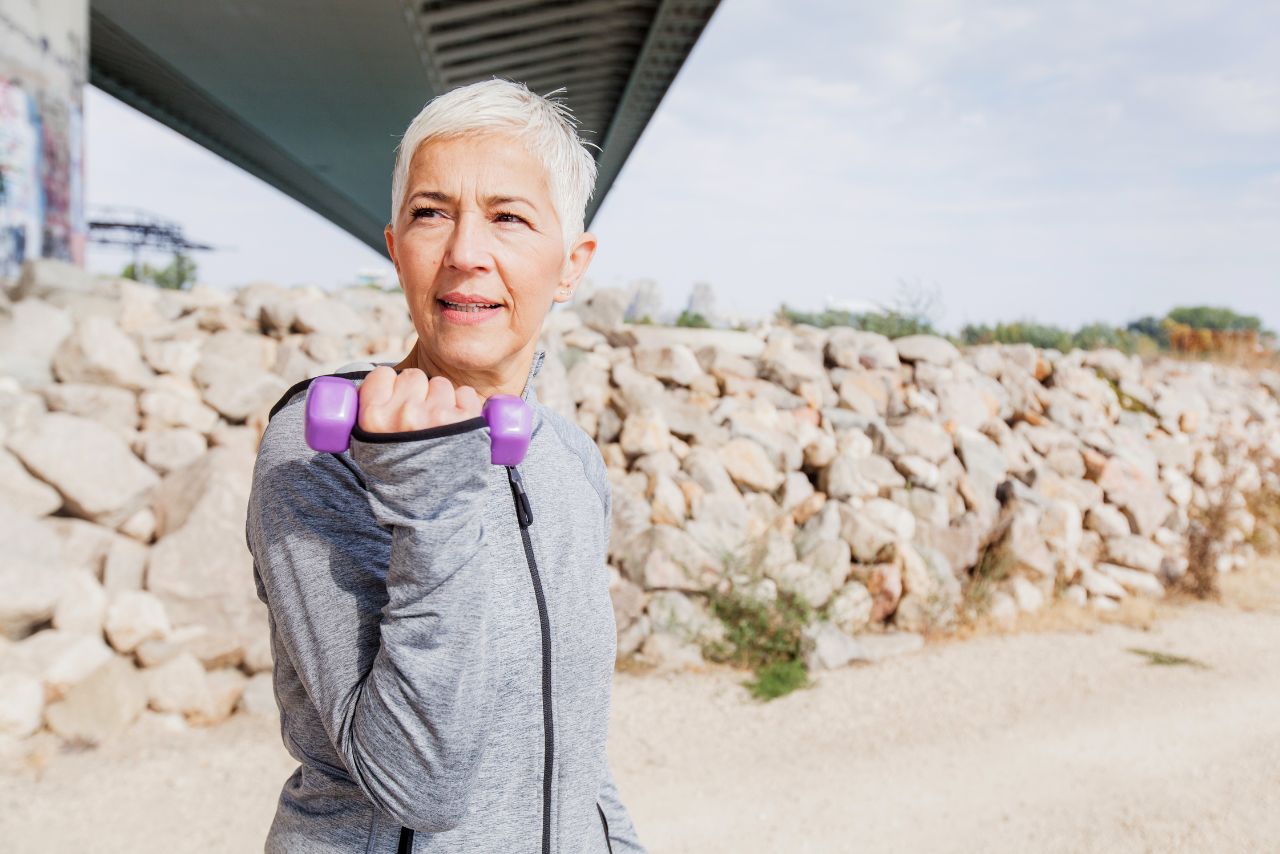
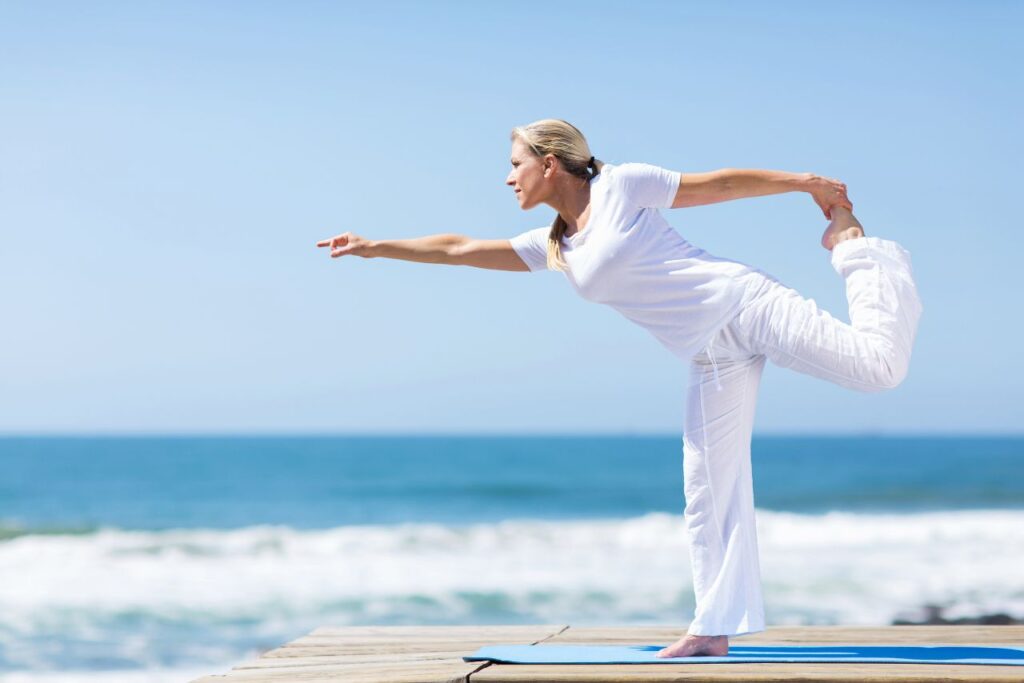
There is a particular kind of relief that comes with finding out that exercise does not have to hurt, feel scary, or require you to push through fear to be effective. That is a huge relief for women over 50 who have osteoporosis.
Low-impact osteoporosis exercises are just what they sound like: movements that challenge the body, build bone, and improve balance without the stress and jarring effects of running, jumping, or doing intense aerobics. They are gentle enough to do every day, different enough to keep things interesting, and strong enough to really help your bones over time.
Let’s explore the best low-impact osteoporosis exercises for women over 50, the science behind why they work, and how to weave them into a routine that feels sustainable and enjoyable.
Key Takeaways: Low-Impact Osteoporosis Exercises
- Low-impact osteoporosis exercises protect the joints while still placing enough load on bone to stimulate the remodelling process.
- Walking, Tai Chi, chair-based strength work, gentle resistance training, and water aerobics are among the most effective and accessible options for women over 50.
- Low-impact does not mean low-benefit. Many of these exercises are supported by strong research showing improvements in bone mineral density, balance, and fall prevention.
- The key distinction to understand is weight-bearing versus non-weight-bearing. Swimming is low-impact but not weight-bearing, so we need both categories in a well-rounded routine.
- Consistency over months and years is where the bone-building benefit accumulates. Starting gently and showing up regularly is the winning formula.
- Always check with your doctor or physiotherapist before beginning a new exercise programme, particularly if you have had a recent fracture or hold a high fracture risk score.
Why Are Low-Impact Exercises So Important for Women with Osteoporosis?
One of the most common misconceptions about osteoporosis and exercise is that more intensity equals more benefit. That might be true for younger athletes who don’t lose bone mass, but for women who have lower bone density after menopause, the link between load and benefit is more complicated.
High-impact exercise, like jogging, jumping jacks, or high-intensity interval classes with plyometric movements, puts sudden, uncontrolled stress on bones that may already be weak. The risk of fracture, especially in the hip, spine, and wrist, rises when the impact is too strong or unpredictable.
A review published in the Biomedical Journal of Scientific and Technical Research (2018, IRCCS Rizzoli Institute) found that while high-impact exercise produces bone-building results, two other categories of exercise, weight-bearing aerobic activity and resistance training, are equally well supported by evidence and far safer for those with established osteoporosis. The key is controlled, consistent mechanical loading rather than sudden, jarring impact.
Low-impact exercises put a controlled load on the bones without the risk of jarring them. They recruit the muscles, challenge the bones and improve balance in a way your body can tolerate and recover from, session after session. That repetition, over months, adds up to real, measurable bone strength.
For a complete overview of safe osteoporosis workouts, exercise videos, strength training, balance work, and movement tips for women over 50, visit our main guide: Osteoporosis Exercise Videos for Women Over 50.
What Is the Difference Between Weight-Bearing and Non-Weight-Bearing Low-Impact Exercise?
Weight-bearing exercise is any activity in which your body is supporting your own weight against gravity. Walking is weight-bearing. Standing while doing resistance exercises is weight-bearing. Tai Chi is weight-bearing. These types of exercise send a direct mechanical signal to the bones of the legs, hips, and spine, which are the three areas most vulnerable to osteoporosis fractures.
Non-weight-bearing exercise, such as swimming or cycling, is gentler on the joints and excellent for cardiovascular health and general fitness, but it does not place direct load on the skeleton in the same way.
Swimming, for example, has been shown to support overall health and even some aspects of bone metabolism, but walking alone tends to outperform swimming for bone density outcomes at the hip and spine.
Both types will be included in a complete low-impact osteoporosis routine. Weight bearing exercise for load on the bone, and non-weight bearing for the joints, recovery, cardio and variety on the harder days.
What Are the Best Low-Impact Osteoporosis Exercises for Women Over 50?
1. Walking
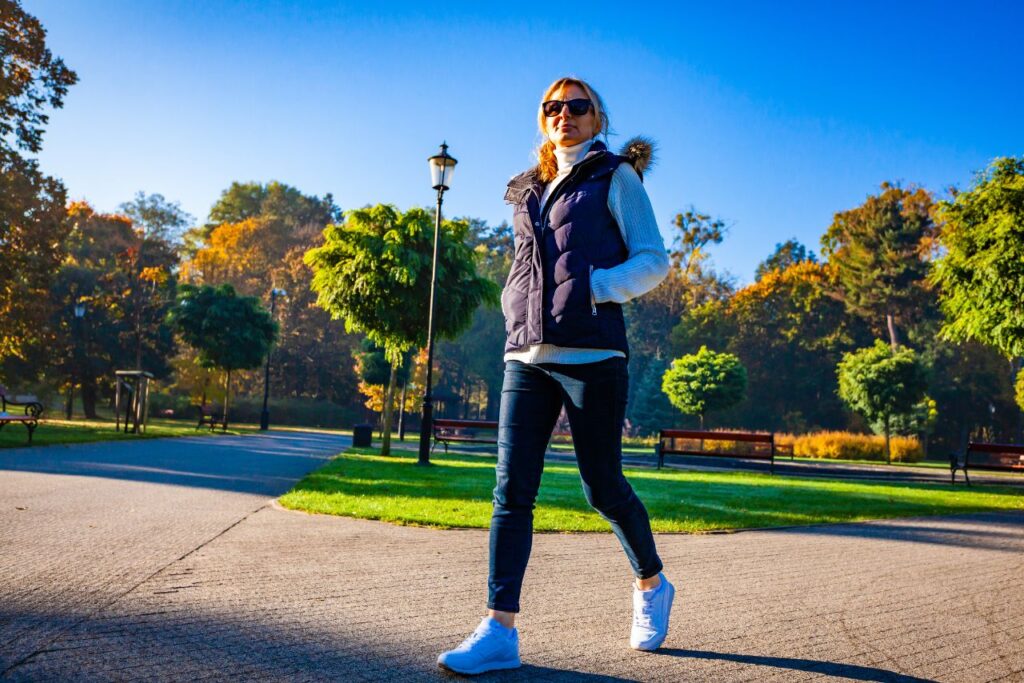
Walking is the most accessible and consistently recommended low-impact osteoporosis exercise, and its simplicity should not be mistaken for a lack of power. Every step you take transfers load through the bones of the foot, ankle, shin, and hip. That load, repeated over thousands of steps, is a meaningful stimulus for bone maintenance.
Research consistently supports walking as a tool to slow bone loss at the hip, even if it does not substantially increase bone density on its own. Paired with resistance training, walking forms the foundation of a complete bone-health programme.
For bone benefits, aim for at least 30 minutes of brisk walking most days. Brisk means a pace where you can hold a conversation but would not be able to comfortably sing. On days when a longer walk feels like too much, even 10 to 15 minutes matters.
Try this follow-along session: 20-Minute Stay Young Indoor Walking Workout for Women Over 50
2. Tai Chi
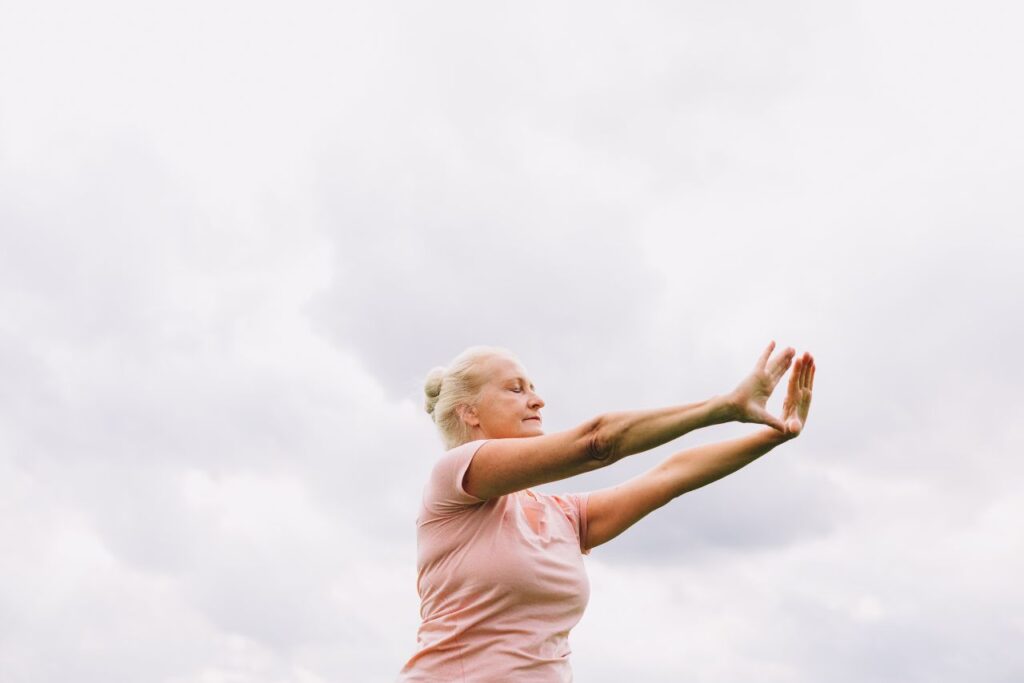
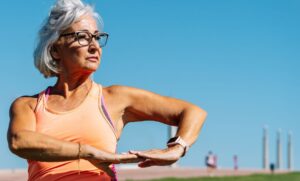
Tai Chi may be the most underrated exercise for women with osteoporosis. This ancient Chinese practice combines slow, flowing movements with deliberate weight shifting, gentle rotation, and balance challenges, all performed at a pace that is safe and meditative rather than stressful.
Research from the National Institutes of Health on Tai Chi for osteopenic women has found that Tai Chi may reduce rates of bone mineral density decline in postmenopausal women, while consistently demonstrating meaningful reductions in fall risk. This dual benefit, slowing bone loss and improving fall prevention simultaneously, makes Tai Chi exceptional in the landscape of low-impact exercise for bone health.
Tai Chi is safe to start even for women who are new to exercise or feel fragile after diagnosis, because the movements are slow and controlled. Community centres, YouTube channels and online classes often run classes for beginners. Look for a class specifically for seniors or for those with balance issues.
3. Chair-Based Strength Exercises
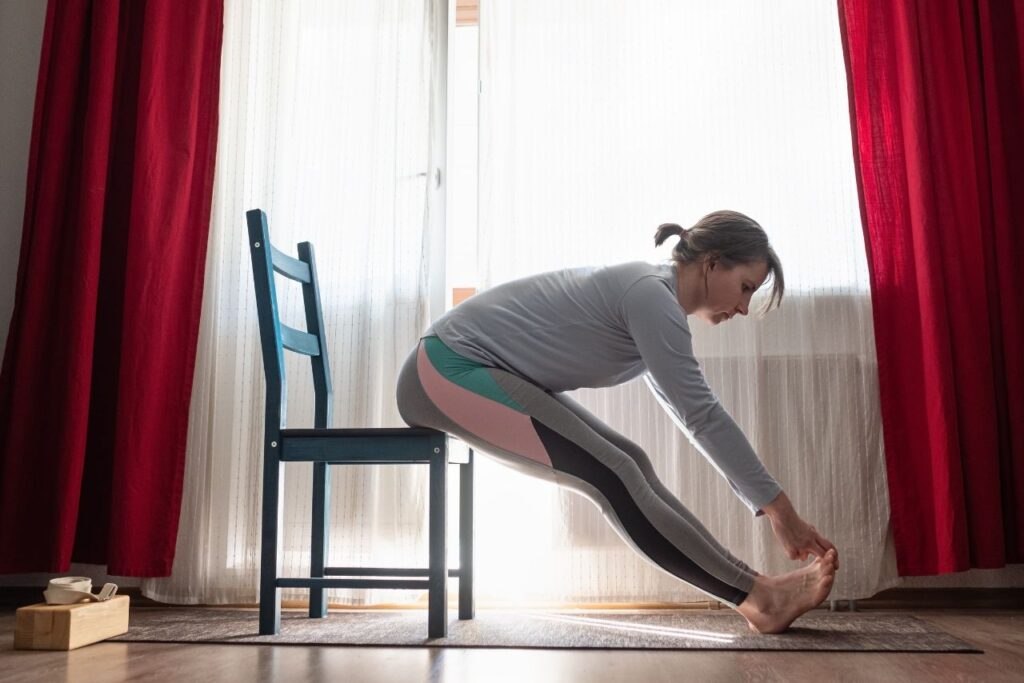
Chair exercises are a brilliant option for women who want the bone-building benefits of resistance training but need extra stability and confidence during movement. A sturdy chair acts as a support anchor, reducing fall risk while still allowing meaningful muscle and bone loading.
Some of the most effective chair-based exercises for osteoporosis include:
- Seated leg presses against a resistance band looped around the feet, targeting the hip and thigh bones
- Seated overhead press with light dumbbells, loading the spine and shoulder bones
- Sit-to-stand repetitions using the chair, which target the glutes, thighs, and hip bones while also building functional independence
- Seated calf raises, which strengthen the ankle and lower leg bones and support balance
- Seated back extensions, where you sit tall, place your hands on your thighs, and gently arch your upper back to open the chest, strengthening the postural muscles that protect the spine
Two sets of 10 to 12 repetitions for each exercise, two to three times per week, is a meaningful beginner goal. As strength builds, the chair becomes a light touch for reassurance rather than full support.
READ ALSO: 6 Low-Impact Exercises for Women Over 50
4. Resistance Band Training
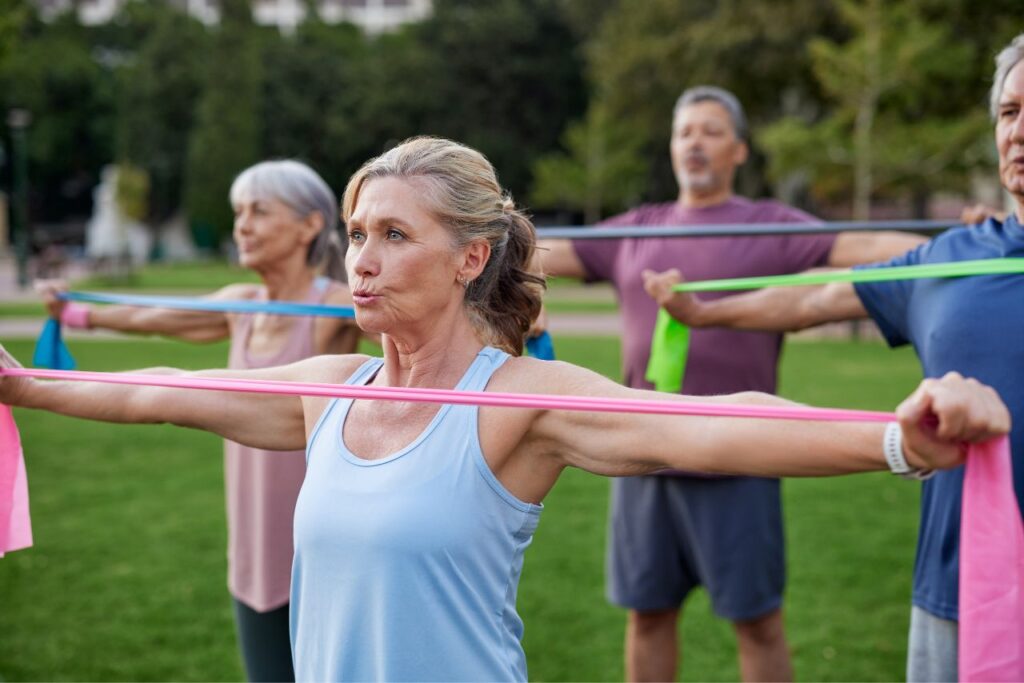
Resistance bands are one of the most bone-friendly tools available because they apply progressive, controlled tension through a full range of motion without the joint impact of free weights. For women with osteoporosis, this makes them ideal.
Resistance band exercises that are particularly valuable for bone health include standing rows (targeting the upper back and spinal muscles), standing side leg lifts with a band around the ankles (targeting the hip bones), standing bicep curls (loading the arm bones), and shoulder presses performed standing (loading the spine and shoulder girdle).
Start with a light resistance band and focus on slow, controlled movement. The eccentric phase, which is the controlled return from the effort, is where much of the muscle and bone stimulus happens, so do not rush it.
READ ALSO: 10 Low-Impact Workouts That Work for Middle-Aged Women
5. Water Exercise and Aqua Aerobics
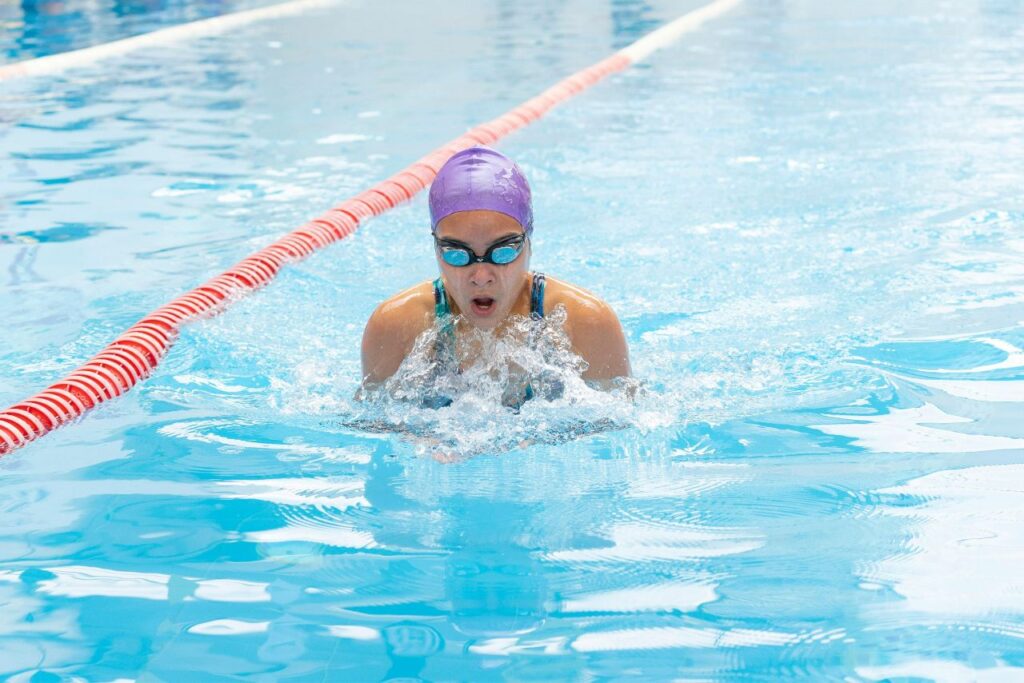
Water is a remarkable medium for exercise because it provides resistance in every direction of movement without placing compressive load on the joints. For women with osteoporosis who also have joint pain, hip issues, or lower back discomfort, water exercise can feel like a revelation.
A 2023 review published on Medical News Today noted that regular swimming and water aerobics classes may support bone health in postmenopausal women, with one 2017 review finding links between water aerobics participation and enhanced bone health outcomes.
Water exercise also builds muscle strength through resistance, supports cardiovascular fitness, and improves mood, all without the fall risk that can accompany land-based exercise. Many women find that their confidence in movement improves significantly after a period of water-based exercise, which then carries over into their land-based routine.
If you have access to a pool, look for aqua aerobics classes designed for older adults or beginners. These typically include movements targeting the legs, arms, and core through the water’s resistance, with the added safety of the pool environment.
6. Gentle Yoga (Modified for Osteoporosis)
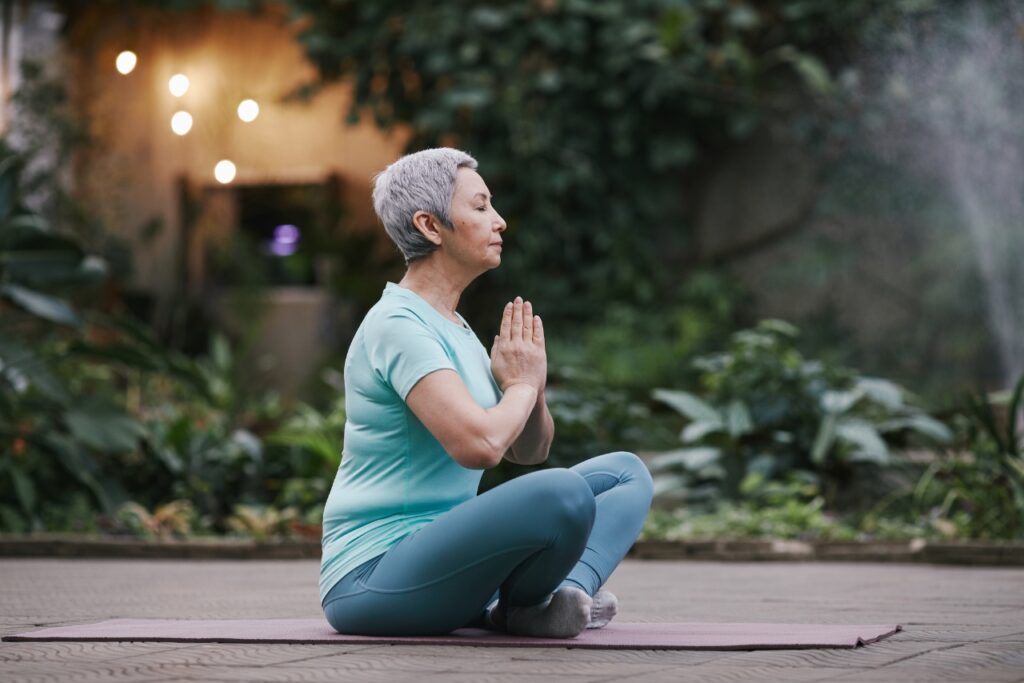
Yoga, when appropriately modified for bone health, provides a combination of weight-bearing standing poses, balance challenges, postural strengthening and flexibility work that is quite beneficial for women with osteoporosis. The emphasis on spinal alignment and chest opening also directly counteracts the forward rounding that can be exacerbated by vertebral changes.
Standing poses, such as Warrior I and Warrior II, Mountain pose, and Tree pose, all involve weight-bearing through the legs and hips. Back extension poses, like Cobra and gentle Locust, strengthen the muscles along the spine without the risky forward flexion that comes with poses like seated forward folds.
The key is to work with an instructor or program that is specifically knowledgeable about osteoporosis modifications. Avoid or modify deeply forward bends, rolling the spine in seated poses and aggressive twists. Most everything else is usually fair game, and gentle yoga can be a wonderfully restorative part of a weekly bone-health regimen.
Try this: Effective Stretching Workouts to Improve Your Flexibility and Mobility
7. Stair Climbing
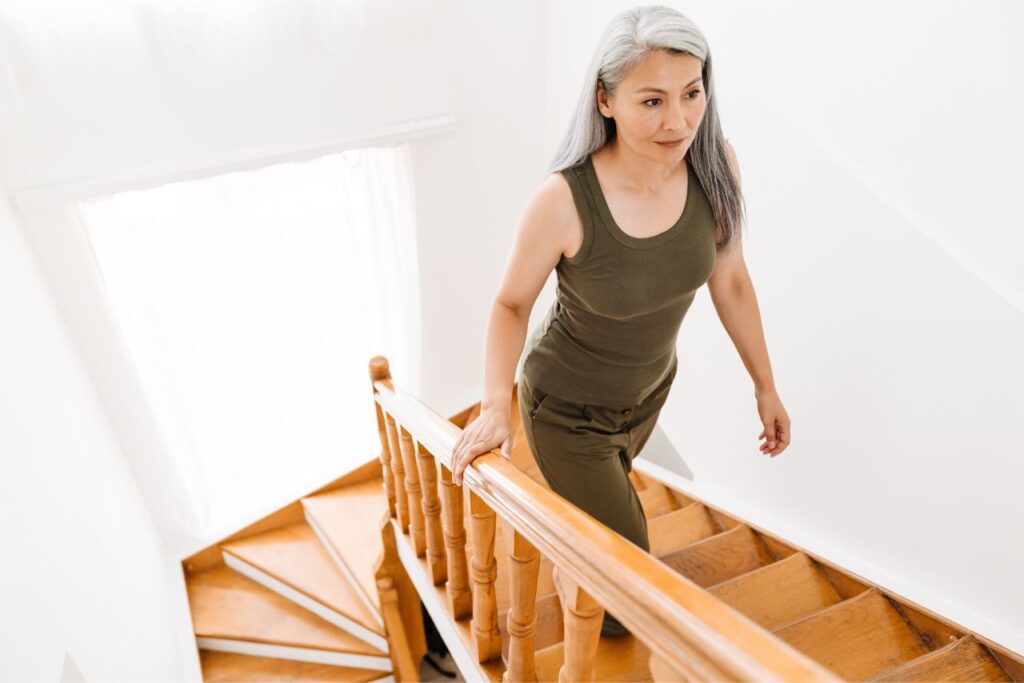
Stair climbing is one of those exercises that women often overlook because it feels like something they already do as part of daily life. That is exactly the point. Every time you climb a flight of stairs, you are performing a weight-bearing, muscle-loading movement that targets the hips, glutes, and thighs, precisely the muscle groups that protect the femoral neck, one of the most fracture-prone sites in osteoporosis.
Using the stairs at home intentionally, perhaps doing two or three trips up and down at a deliberate pace, adds a meaningful low-impact bone-health stimulus to your day without requiring any equipment or extra time. Hold the handrail for safety, keep your posture upright, and focus on pressing through the whole foot rather than just the toes.
8. Dance and Rhythmic Movement
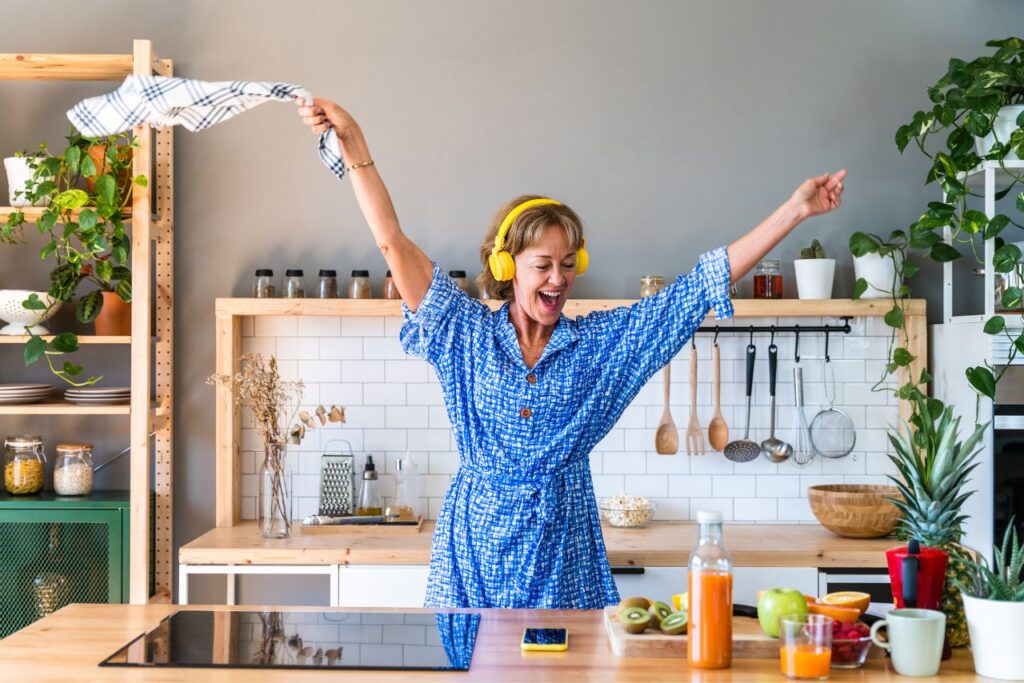
Dancing is weight-bearing exercise disguised as something purely joyful. Whether it is following along to a favourite playlist in your living room, joining a gentle dance class, or simply moving to music while you cook, the rhythmic, multi-directional weight-shifting of dance loads the bones of the legs and hips while also challenging balance and coordination.
Research from the Biomedical Journal of Scientific and Technical Research (IRCCS Rizzoli) notes that dancing falls within the weight-bearing aerobic category of exercises most beneficial for bone density stimulation, sitting alongside walking, stair climbing, and Tai Chi.
Beyond the physical benefit, the mood-lifting quality of dance is something we value deeply here. Movement that makes us smile is movement we are far more likely to return to.
What Does a Sample Low-Impact Weekly Routine Look Like?
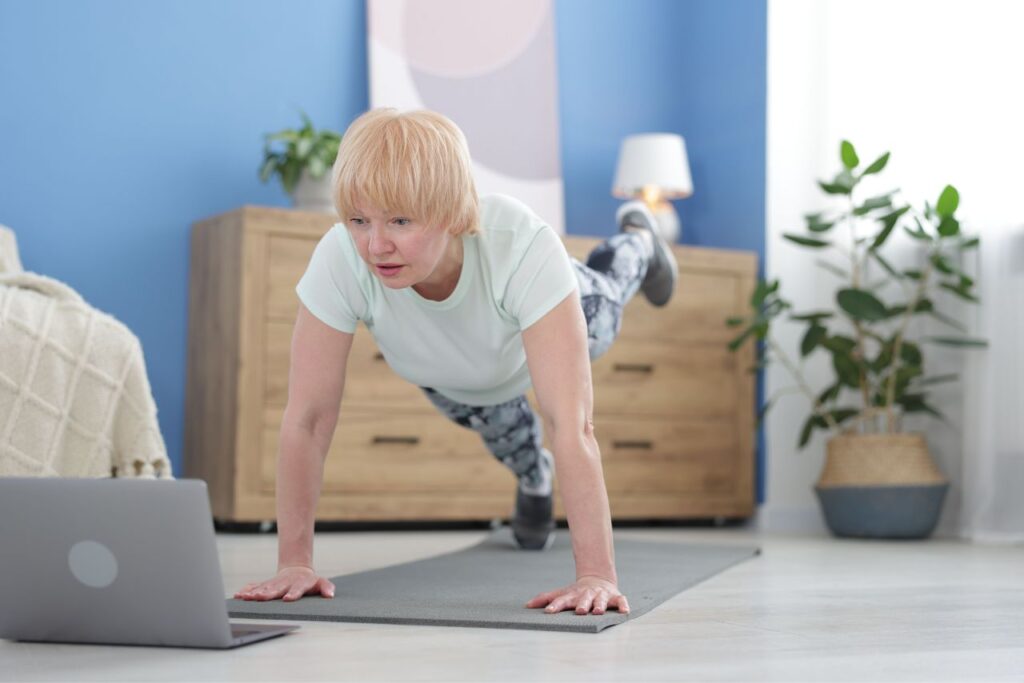
A well-structured week combines weight-bearing aerobic exercise, resistance work, and balance or flexibility sessions. You do not need to do something different every day, and rest days are an essential part of the recovery process. Here is a sample week to give you a starting point.
- Monday: 20-minute brisk walk plus 5 minutes of balance exercises
- Tuesday: Chair-based or resistance band strength session (20 to 25 minutes)
- Wednesday: Gentle yoga or full-body stretching routine (10 to 20 minutes)
- Thursday: 20-minute walk, plus stair climbing practice at home
- Friday: Resistance band strength session focusing on upper back and arms
- Saturday: Aqua aerobics class, Tai Chi session, or a longer walk (30 minutes)
- Sunday: Rest, gentle mobility work, or a slow evening walk
This structure gives you five active days and two rest or recovery days and touches all three categories: weight-bearing aerobic exercise, resistance training, and balance or flexibility work. Adjust based on how your body feels and what brings you the most enjoyment.
READ ALSO: How to Start Exercising After an Osteoporosis Diagnosis
How Do You Build Consistency with Low-Impact Exercise Over Time?
The research on bone health tells us clearly that it is the accumulation of movement over months and years, not heroic individual sessions, that produces lasting results. This means that consistency is not just helpful; it is the whole game.
A few things that support consistency in a low-impact routine:
- Choose exercises you actually enjoy. If walking bores you, try dance. If chair exercises feel limiting, try the pool. The best exercise is the one you will actually do.
- Start shorter than you think you need to. Ten minutes done reliably is more valuable than 45 minutes done occasionally.
- Anchor your exercise to an existing habit. After your morning coffee, before your evening shower, while your favourite show is on. Habit stacking makes consistency almost automatic.
- Track your progress somewhere simple. A note on your phone, a paper journal, or ticks on a calendar give you a visual record of your commitment that is genuinely motivating over time.
- Celebrate the small wins. Every session, every flight of stairs, and every Tai Chi practice is building bone. Recognising that matters.
Follow along with guided routines on the Fabulous50s YouTube channel. Everything is designed for women over 50, and most sessions need no equipment at all.
Explore More Osteoporosis Exercise Guides for Women Over 50
Osteoporosis can feel worrying at first, but the right kind of movement can help you feel stronger, steadier, and more confident in your body again. These guides will help you understand which exercises are safest, how to begin, and how to build a simple routine that supports bone strength, balance, posture, and fall prevention.
Start with the beginner-friendly guides, then explore strength training, low-impact movement, balance exercises, and bone-supporting routines you can add to your week.
Osteoporosis Exercise Guides
Best Osteoporosis Exercises for Beginners Over 50
A gentle starting point for women who are new to osteoporosis exercise or returning to movement after a break. This guide covers walking, resistance training, balance work, and posture exercises.
How to Start Exercising After an Osteoporosis Diagnosis
A reassuring guide for women who have recently been diagnosed and want to know what is safe, what to avoid, and how to begin without fear.
Low-Impact Osteoporosis Exercises for Women Over 50
Perfect for women who want bone-supporting exercises without jumping, jarring movement, or pressure on the joints. It includes walking, Tai Chi, chair-based strength, resistance bands, and water exercise.
Strength Training for Osteoporosis After 50: A Beginner Guide
A simple guide to starting strength training safely at home, using bodyweight, light dumbbells, or resistance bands to support bone density, muscle strength, and confidence.
Balance Exercises for Osteoporosis and Fall Prevention After 50
A practical guide to improving balance, stability, and fall prevention with simple exercises you can do near a chair or wall for support.
Osteoporosis Workout for Strong Bones: The Jump Routine Every Woman Over 50 Should Try
A focused guide on how gentle impact and jumping-style routines may help stimulate bone strength, especially around the hips and spine. This is best for women who have medical clearance and feel confident with higher-impact movement.
Related Bone Health and Fall Prevention Guides
Bone Health and Menopause: Preventing Bone Loss After 50
A helpful background guide on why bone loss accelerates after menopause and what women over 50 can do to protect their bone health.
Why Strength Training Is Essential During Menopause and After 50
A supporting guide that explains how strength training helps protect muscle, metabolism, bone density, and long-term independence after 50.
Best Exercises to Improve Balance and Prevent Falls After 50
A broader fall-prevention guide that supports the osteoporosis cluster by helping women improve stability, confidence, and everyday movement.
Calcium Rich Foods for Women Over 50
A nutrition-focused support article for women who want to strengthen their bones from the inside out with calcium-rich foods.
Final Thoughts
Low-impact osteoporosis exercises are not a compromise or a consolation version of real exercise. They are a smart, sustainable, evidence-backed strategy for building bone strength, improving balance, and staying active for the long term.
Walking, Tai Chi, resistance bands, chair exercises, water movement, gentle yoga, stair climbing, and dance all have real value for your skeleton. Together, they form a complete and genuinely enjoyable approach to bone health.
Exercise does not have to be punishing to be powerful. One of the best things we can do for our bodies after 50 is gentle consistent low impact exercise over the course of months and years. Every session is a deposit in a long-term bank of strength, balance and independence.
Choose something from this list today. Start with just 10 minutes. Show up again tomorrow. We are building something beautiful here, one step at a time.
Frequently Asked Questions
Low-impact exercises, particularly weight-bearing ones like walking and Tai Chi combined with resistance training, are well-supported by research for maintaining and, in some cases, modestly improving bone mineral density in women with osteoporosis. Low-impact exercise alone can slow bone loss significantly, which is a genuinely important outcome.
Balance improvements from consistent exercise tend to show up faster than changes in bone density. Many women notice improved stability and confidence within four to eight weeks of regular balance and strength training. For example, research on the Tai Chi program has shown significant reductions in fall risk after 12 weeks of twice-weekly practice. Balance responds fairly quickly to training because it’s as much about neuromuscular coordination as it is about raw strength.
Joint pain is a very real barrier for many women and it’s worth getting it checked out by a physio who can find the underlying cause and suggest changes. Chair exercises strengthen the muscles around the sore joint without stressing it. Seated resistance band exercises will continue the bone-loading stimulus as you deal with joint discomfort.
Exercise and medication address different aspects of osteoporosis. Medications like bisphosphonates primarily target bone resorption, slowing the breakdown process. Exercise addresses bone formation, muscle strength, balance, and fall risk, none of which medication can replicate. Most bone health specialists recommend both approaches together for the most comprehensive management. Always tell your prescribing doctor about any new exercise programme, particularly if you are on medication that affects bone metabolism.