

The page you requested could not be found.
You might be interested in exploring our Blog.
We do not train balance so we never lose it. We train it so we can get it back. It is a skill, not a test, and it can be sharpened at any age.
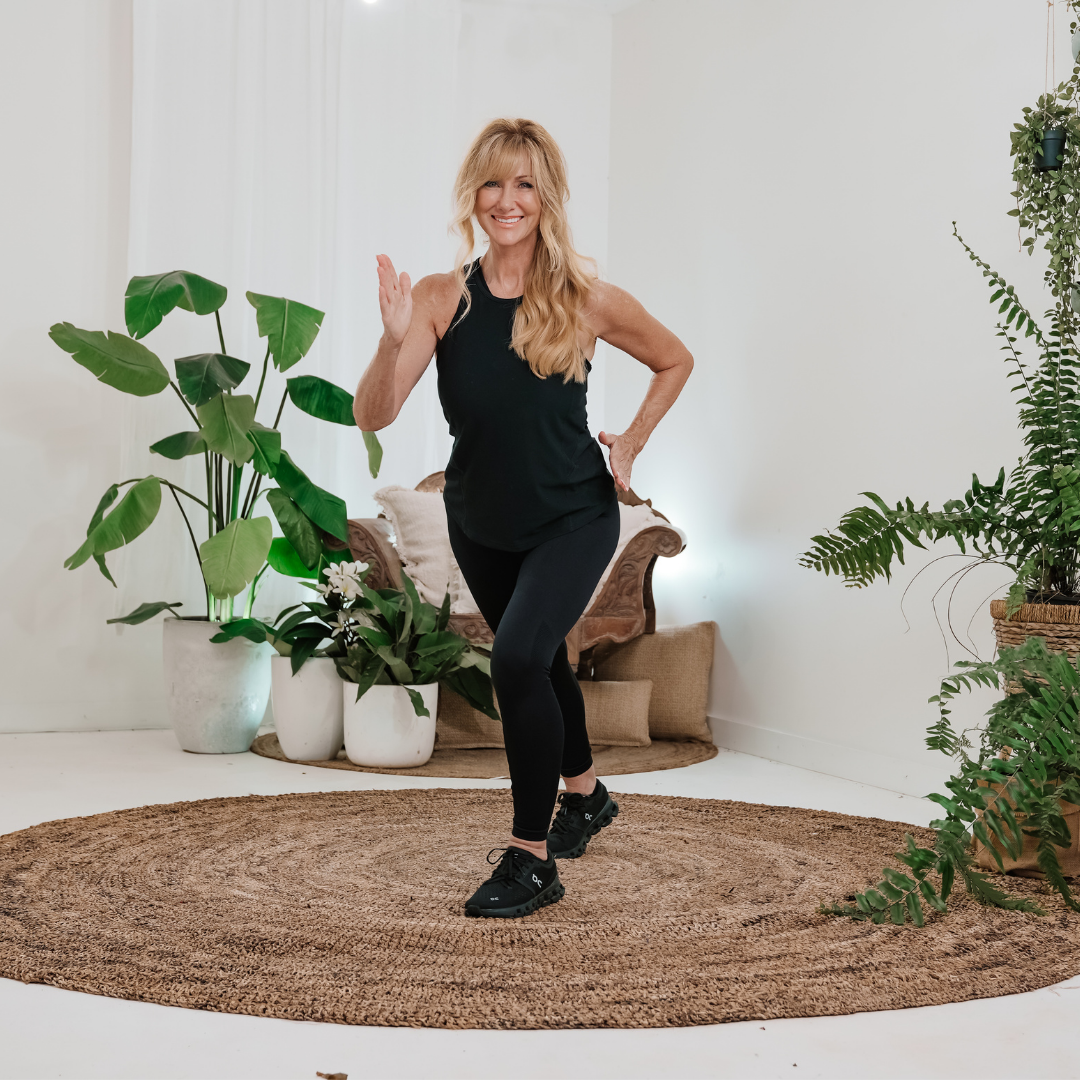
As we age these systems naturally decline, and so does the brain’s ability to pull them together, which is why we can trip or lose our footing without any warning. Here’s the part I really want you to understand. When we practise balance, we’re training that brain and body connection so it becomes automatic. So that if you do trip or stumble, your body already knows how to self-correct and catch you before you even have time to think. We don’t train balance so we never lose it. We train it so we can get it back. It’s a skill, not a test, and it can be sharpened at any age, which is why I encourage every woman over 50 to practise it.
I grew up watching my mum teach yoga, and I remember sitting and watching her guide women through one-legged balance poses and movements that challenged the body in all sorts of ways. I loved it. I thought it looked like fun. I never realised at the time that she was teaching one of the most important skills we can have as we age.
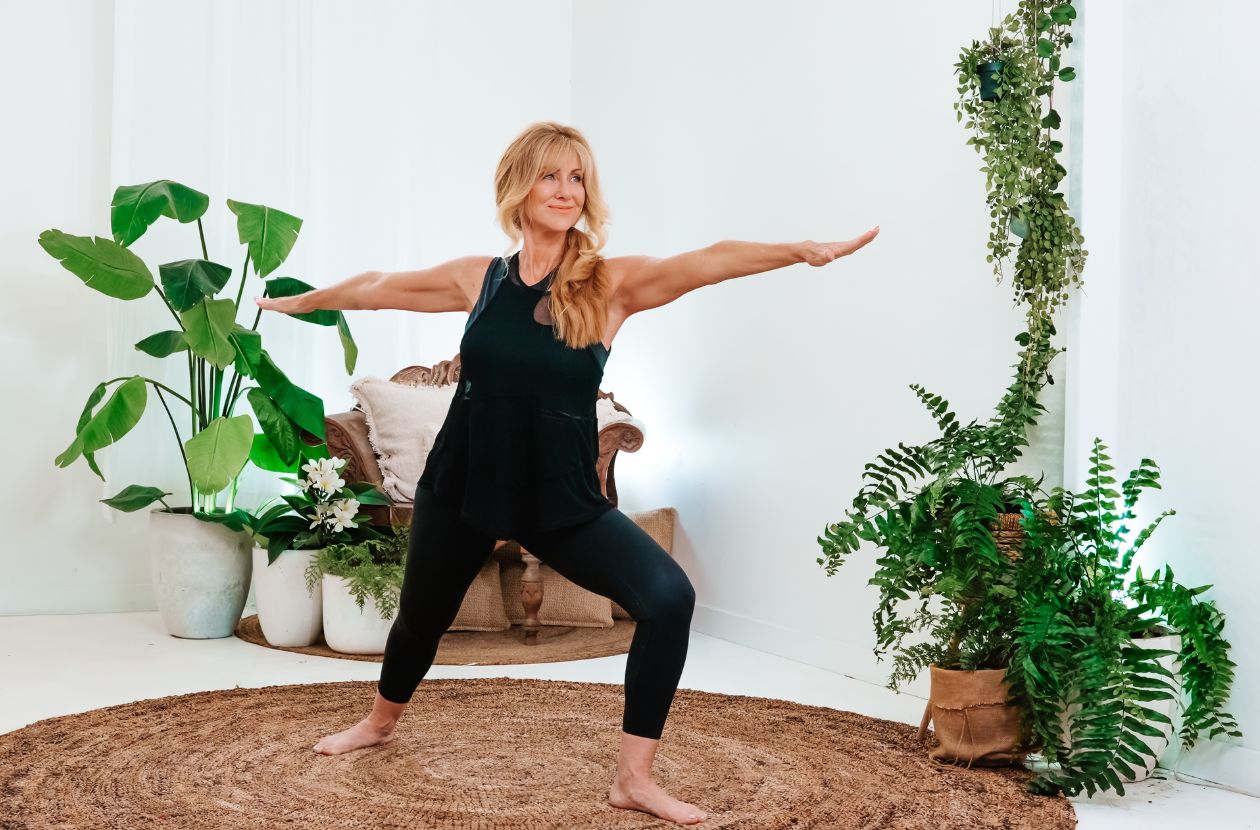
When we talk about osteoporosis, we usually talk about building bone. We talk about strength training, about putting tension on our muscles and bones, about nutrition and calcium. And all of those things matter. But there’s another part of the conversation that often gets missed. We build stronger bones because we don’t want to break them. And most broken bones happen because we fall. So one of the best things we can do to protect ourselves is to reduce our risk of falling in the first place. That’s where balance comes in.
We’re teaching ourselves how to react, how to recover, and how to find our centre again when we become unstable. Because life is full of moments where we lose our balance. We trip. We step awkwardly. We turn too quickly. We walk on uneven ground. The goal isn’t to never lose our balance. The goal is to get better at getting it back.
And this is why I love balance training so much.
You can actually see yourself improving. I’ve had so many women tell me they had no idea how poor their balance had become until they started practising it. Then magic happens. They improve, and they can see it. The wobble gets smaller. They can hold the position longer. They feel steadier. They grow more confident. That kind of progress is incredibly rewarding.
Sometimes when we’re trying to lose weight, it can take weeks to notice a change. When we’re building muscle, we often feel stronger before we can see it. But balance is different. The progress often happens right there in front of you, and that’s exciting.
I also believe we need to think about balance more broadly.
Standing on one leg is wonderful, but balance happens in so many ways. We need to move from side to side. We need to shift our weight forwards and backwards. We need to challenge ourselves with our eyes closed. We need to practise reaching, turning, stepping and changing direction. Real life doesn’t happen in one position, so our balance training shouldn’t either. The more variety we include, the more adaptable our bodies become. And adaptability is one of the greatest gifts we can give ourselves as we age.
That’s exactly why balance is one of the pillars of the Fabulous50s Longevity Protocol.
The Fabulous50s Longevity Protocol™ begins with Movement. Ten minutes a day is our MVP, the minimum that keeps you young. Those ten minutes cover the Fabulous50s Five Pillars of Longevity™: strength, cardio, balance, power and mobility.
Three Supporting Elements hold that movement up. Nutrition brings the protein, fibre, minerals, carbohydrates and fats that keep your muscle, bone and energy strong. Recovery is your sleep, your meditation, your community and your kindness towards yourself. Brain Training is five focused, repeatable games that keep your mind sharp.
Build steadiness, leg control and confidence for stepping up, stepping down and changing levels.
Begin with a sturdy chair nearby while your body learns each movement and your confidence grows.
Explore how posture, hip movement and body awareness influence your stride and stability.
Learn how to practise balance safely while considering your bone health, current ability and need for support.
Whether you are completely new to balance training or ready to add more variety, choose the pathway that best matches what your body needs today.
This is not a medical test. It is a simple way to notice which movements feel comfortable and where your body may benefit from more regular practice.
A wobble does not mean you have failed. It means your brain and body are working together to find stability.
Balance improves through practice, repetition and the right level of challenge.
Begin with supported movements. Keep your range comfortable. Reduce support only when you feel ready.
Learn how to add short balance sessions to your week without turning them into another demanding task.
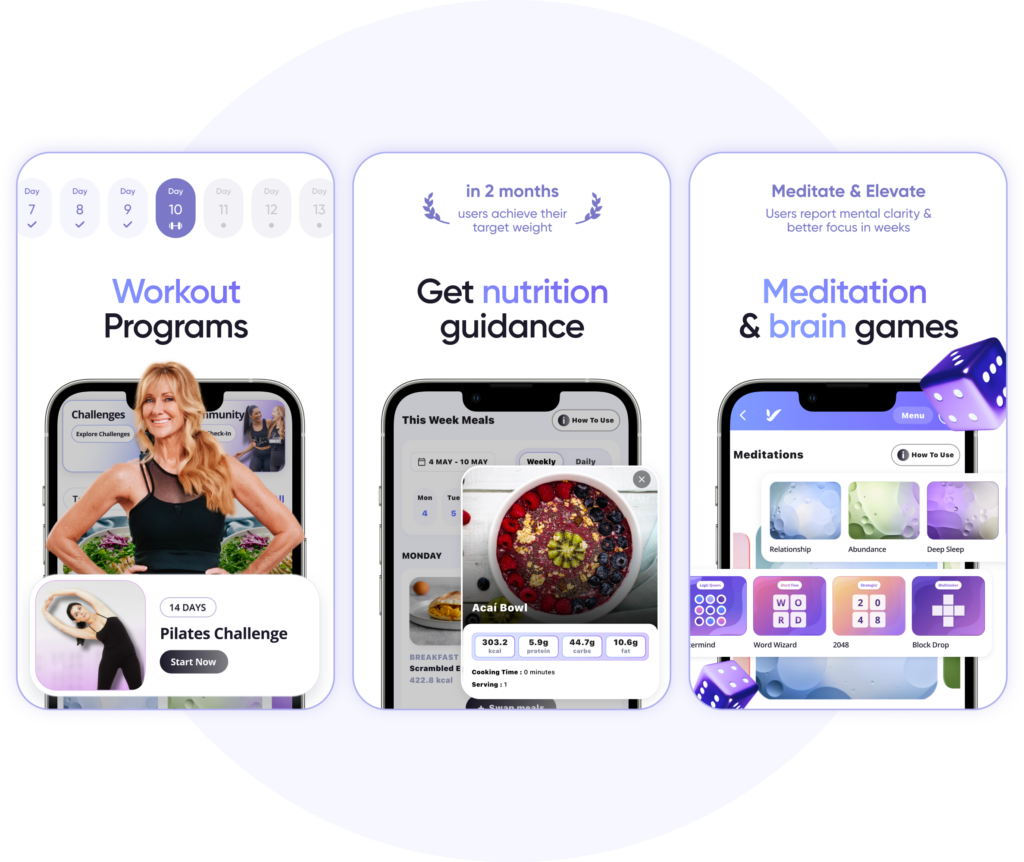
Fabulous50s vitality app
The all in one longevity app designed for mildife, with a clear, science-backed daily plan to help you build strength, energy, and confidence, at every stage of the journey.
Understand how strength, posture, balance and suitable bone-loading activities work together to support long-term bone health.
Learn how to use support, control your range and select balance exercises that respect your individual needs.
Use small opportunities throughout your day to practise steadiness, foot strength, posture and body awareness.
Written by trusted health professionals to help you navigate menopause with clarity and confidence.
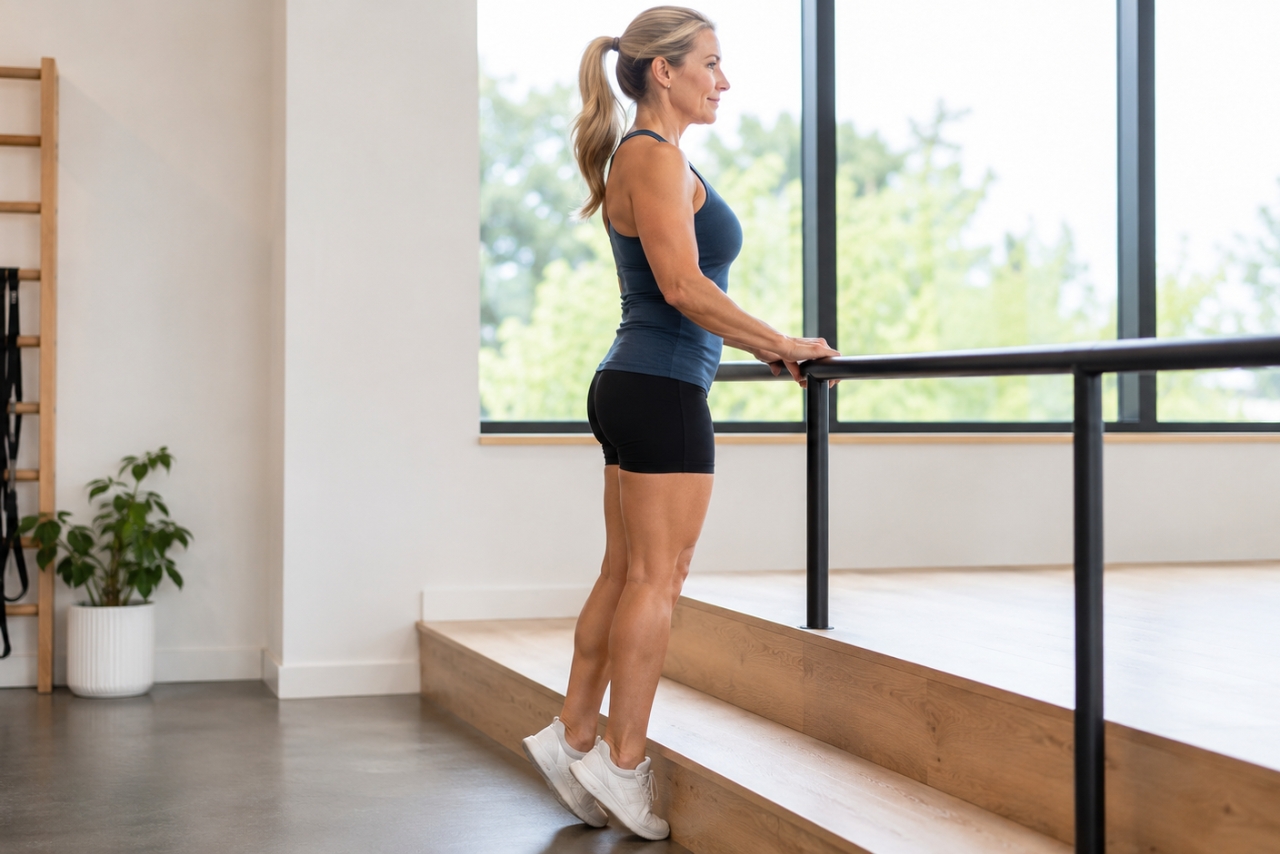
Stay controlled while moving
Stand while dressing
Walk across uneven ground
Maintain upright posture
Turn and change direction
Control small wobbles
Step around obstacles
Feel where your body is positioned
Recover when movement changes
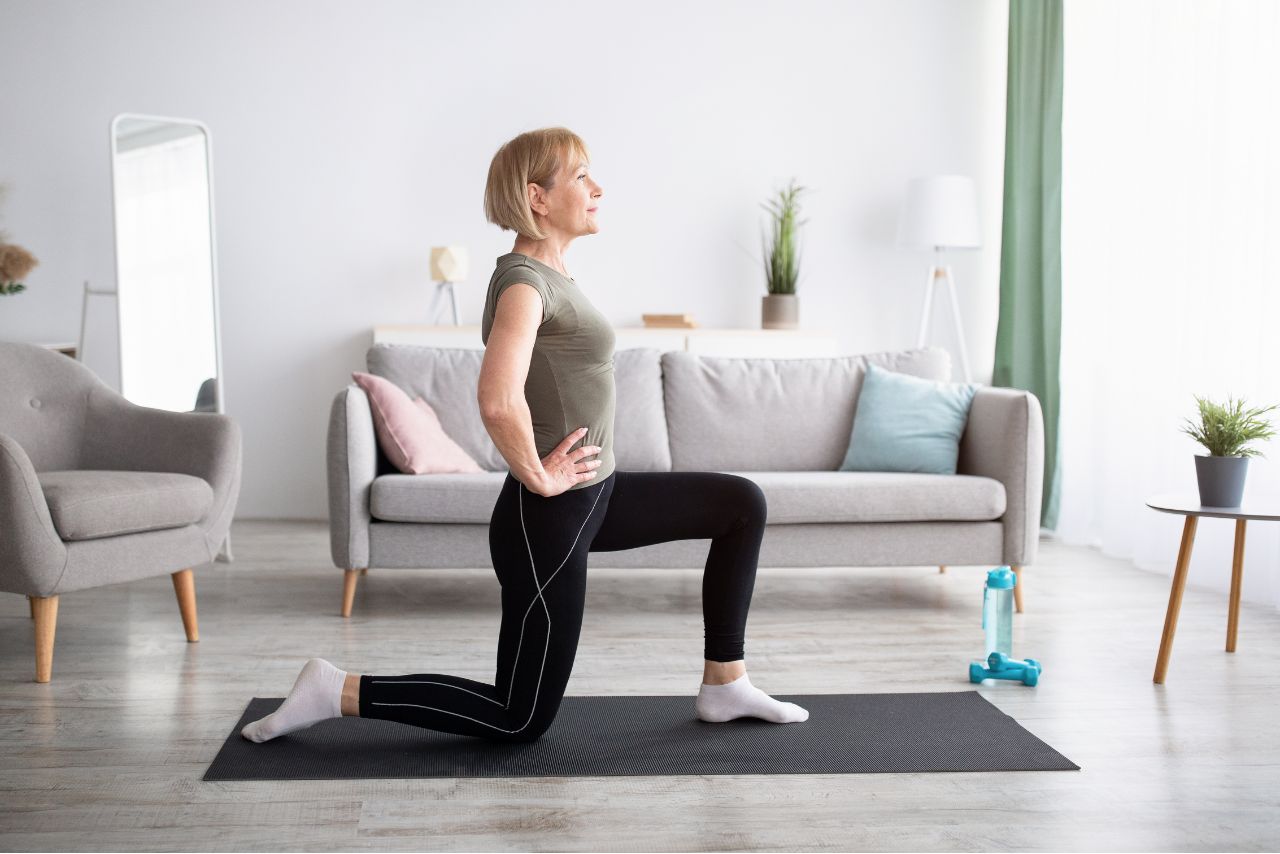
Maintain a comfortable position while your body makes small adjustments.
Move your weight forwards, backwards and from side to side with control.
Place your foot where you need it when climbing, turning or moving around an obstacle.
Respond when you wobble, trip or move away from your centre.
Stand beside a wall, bench or sturdy chair and use as much support as you need.
Move gently forwards, backwards and from side to side while keeping your feet connected to the floor.
Practise stepping forwards, sideways and backwards so your training reflects everyday movement.
Move from holding with both hands to one hand, fingertips or keeping support nearby without touching it.
Schellea Fowler is a Certified Personal Trainer and Neuro Athletics Coach specializing in exercise for older adults and the creator of The Fabulous50s Longevity Protocol™.
She built the Protocol out of her own decade of living through menopause, an osteoporosis diagnosis, and the body changes that come with age, after finding no program that actually fit this stage of life. Her approach flips the script most women are handed: instead of focusing on what they are losing, chiefly weight, she trains women to gain. Gain back bone, muscle, fitness, mobility, balance, and confidence. It is a five-pillar training system that slots easily into the average woman’s week, with a longevity test for each pillar so you can see where you are strong, where you are weak, train for it, and retest. Following her own diagnosis, Schellea did exactly that, rebuilding bone density, strength, and mobility and lowering key biological age markers.
Today, through Fabulous50s, she has helped millions of women across the world build strength, mobility, and confidence, evidenced by tens of thousands of comments from women who have done the training and seen the results.
Schellea Fowler
Founder of Fabulous50s and Vitality App
It doesn’t take hours. Five to ten minutes once or twice a week can make a huge difference. Schellea suggests treating it as part of your routine rather than another task on your to-do list. Think of it as a small challenge, or a little game with yourself.
Yes. A wobble is often your body making adjustments as it works to find stability. Keep support nearby, make the movement smaller and focus on control rather than trying to remain completely still.
Yes. Beginners can start with both feet on the floor, supported weight shifts and chair-assisted exercises. Progress can include reducing support, narrowing the stance or introducing gentle reaching and stepping.
No. A chair gives you a safe starting point and allows you to practice with greater confidence. Support can be reduced gradually as your control improves.
Many women with osteoporosis can benefit from suitable balance training, but exercises should be matched to the individual. Women with previous fractures, dizziness, severe balance problems or a high fracture risk may need guidance from an appropriately qualified healthcare professional.
Closing your eyes removes one of your three balance systems, so the exercise becomes considerably harder. Schellea does encourage it as part of a varied practice. Only try it in a safe environment, with secure support within reach.
Restricted hip movement can influence weight shifting, stride length and the way the body responds while walking or changing direction. Mobility, strength and balance training can work together to support more comfortable movement.