

The page you requested could not be found.
You might be interested in exploring our Blog.
Some loss of fitness comes with age. A big part of it comes from simply moving less, and that is the part we can do something about.
Not about burning calories. About having the energy to say yes to your life.
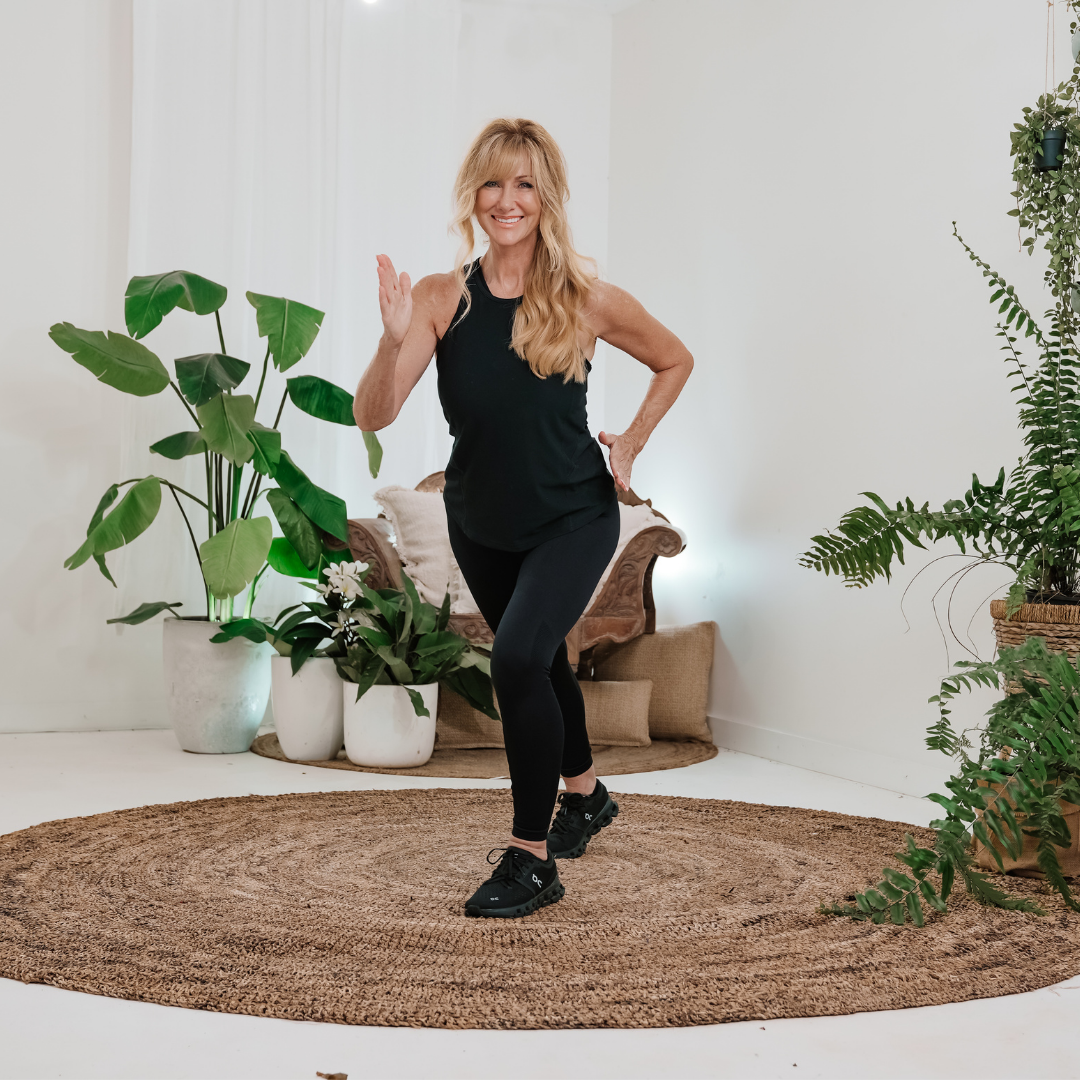
Some loss of fitness is a natural part of getting older, but a big part of it comes from simply moving less, and that’s the part we can do something about. So, the answer is to set the intention to move more and sit less.
That’s where cardio comes in. Cardio just means moving your body at a pace a little faster than your everyday pottering, enough to lift your heart rate and get you slightly out of breath. It doesn’t have to be intense, and it’s not about staying slim or burning calories.
It’s about staying capable and full of energy. The great news is that our fitness responds quickly at any age. Even short, regular movement makes a real difference, which is why I encourage every woman over 50 to look after her heart and lungs so she has the energy to say yes to her life.
My understanding of cardio has changed enormously since then.
What I’ve learned is that intense, high-impact cardio as we get older can actually do more harm than good. It raises your cortisol, and when you’re already in a hugely hormonal state through perimenopause and menopause, that added stress works against you. In fact I think it’s one of the reasons so many women notice more belly fat through menopause. The body is stressed, and that’s a cortisol response. Ironically, the harder you push, the more your body can hold on.
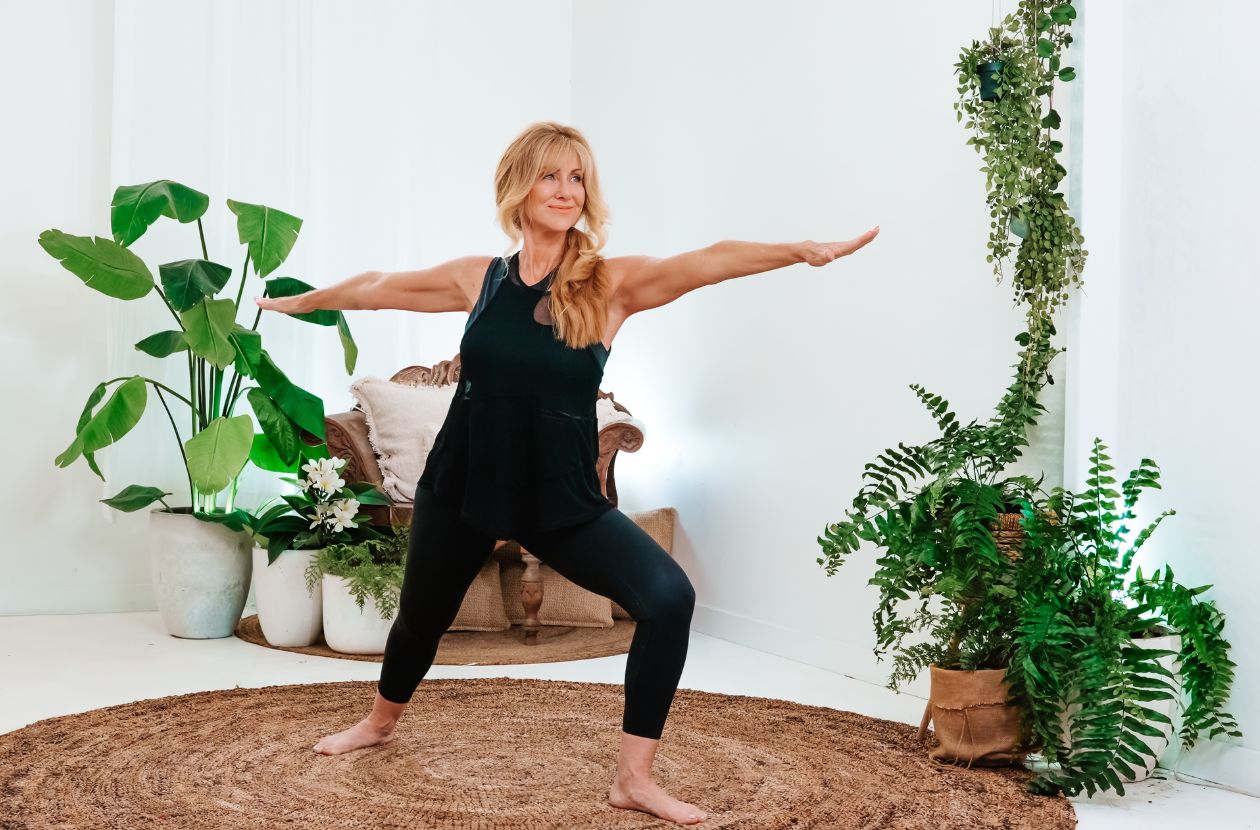
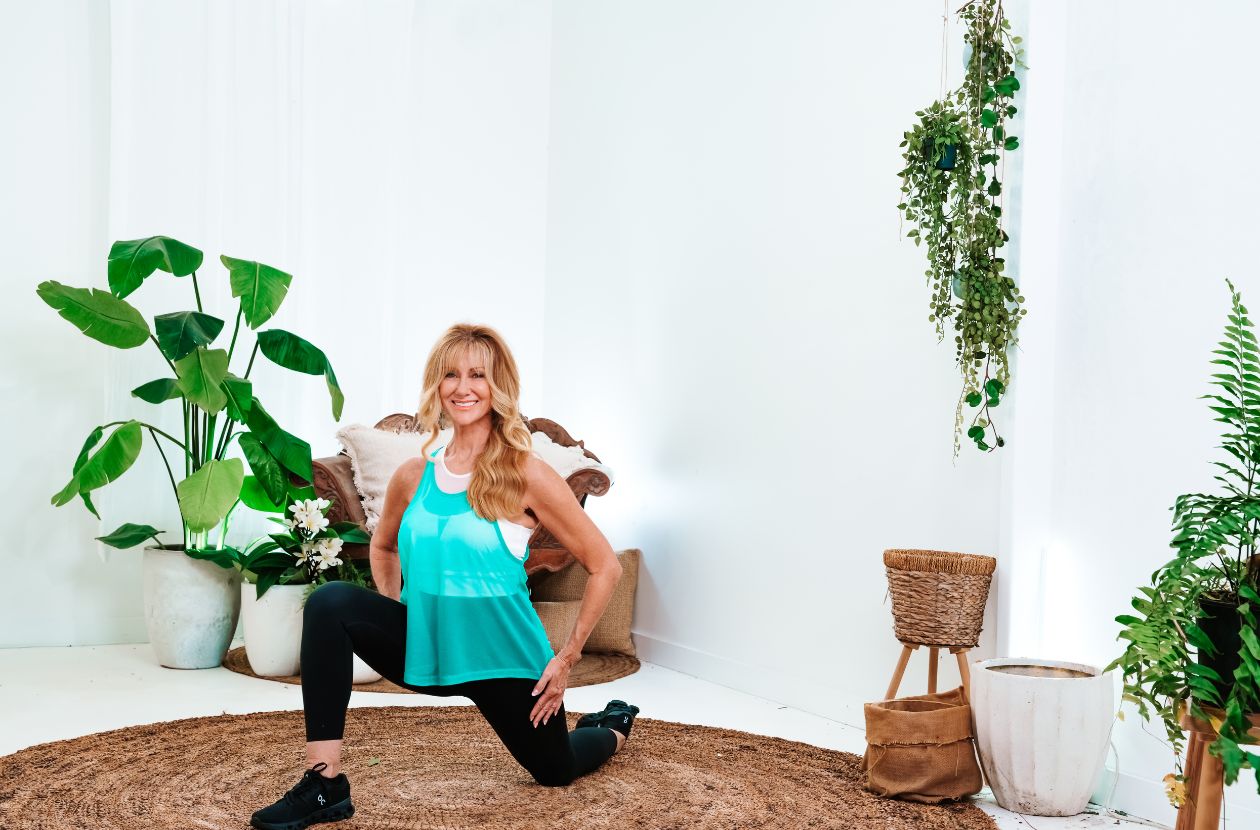
Cardio is essential for your heart. If you let your fitness go, your body becomes less efficient at using the oxygen you take in.
That’s your VO2 max, and it’s one of the clearest markers of how well we’re ageing. So we have a bit of a balancing act. We need to train our cardio, but we don’t want to do so much that we’re actually hurting ourselves.
So I started doing more hip mobility work. And today I practise it every single day, because I don’t want my hips limiting me as I get older. I want to keep walking, travelling, getting down to the floor and back up again, climbing stairs and moving confidently for many years to come.
The science will tell you to push into the high zones and that gentler work is almost redundant. But for real women living real lives, my advice is simpler. Walk often. Add some cardio two or three times a week through HIIT, walking workouts or even dancing. That’s how you look after your heart without burning yourself out.
The Fabulous50s Longevity Protocol™ begins with Movement. Ten minutes a day is our MVP, the minimum that keeps you young. Those ten minutes cover the Fabulous50s Five Pillars of Longevity™: strength, cardio, balance, power and mobility.
Three Supporting Elements hold that movement up. Nutrition brings the protein, fibre, minerals, carbohydrates and fats that keep your muscle, bone and energy strong. Recovery is your sleep, your meditation, your community and your kindness towards yourself. Brain Training is five focused, repeatable games that keep your mind sharp.
Discover practical cardio exercises and walking strategies designed to support cardiovascular fitness after 50.
Build endurance gradually so walking, stairs and everyday movement begin to feel easier.
Choose low-impact movement that raises your heart rate while keeping the workout comfortable and manageable.
Find cardio options that help you keep moving while being more considerate of sensitive knees.
Learn how to turn one of the simplest forms of movement into a consistent cardio practice.
Learn how steady, sustainable cardio can fit into your longevity routine.
A practical overview for women who want a simple place to begin.
There is no score to achieve here. Use what you noticed to choose a cardio routine that meets your body where it is today.
Cardio fitness gives your heart and lungs the capacity to support everything else you want to do, from everyday errands to long walks and traveling.
Mostly, it’s getting out there and walking. Lots of walking. I use it as leisure, as entertainment, as meditation, as a way to calm my nervous system down.
Then there’s arm swinging, which is where most of my mornings start. It’s the simplest movement I know, and it asks almost nothing of you. The rhythm gets the body going, settles my nervous system and carries me from stillness into the day. Even five minutes counts.
Alongside all of that, I love adding bursts. Walking workouts, or a bit of HIIT to lift my heart rate. They work on my VO2 max and give me an instant energy boost.
The science will tell you to push into the high zones. It will
tell you that gentler work is almost redundant. But for real women living real lives, my advice is simpler.
Walk often. Add some cardio two or three times a week through HIIT, walking workouts or even dancing. That’s how you look after your heart without burning yourself out.
There’s a fine line between doing too much and too little. But make no mistake. If you do no cardio at all and let your fitness slip away, you will age faster. Your breath becomes shallow, and before long you’re out of breath walking up a flight of stairs.
The goal isn’t to make every day a hard workout. It’s to give your heart and lungs regular opportunities to work, recover and adapt while building the fitness you need for everyday life.
Start where you are. Keep moving. Build from there.
Ready to move? Try these guided Fabulous50s workouts designed to help you build cardio fitness at your own pace.
Discover what can happen when you gently add more purpose and pace to your walks.
Explore the connection between regular walking, movement and brain health.
Learn how much walking can support heart health, improve stamina and help you build a consistent cardio routine after 50.
A walking-focused starting point for women who want to explore Zone 2 gradually.
Discover how short bursts of cardio throughout the day can make regular movement easier to fit into your routine.
Cardio is one of the Five Pillars of the Fabulous50s Longevity Protocol™, but that does not mean doing long, exhausting workouts every day.
Our approach combines purposeful cardio sessions with the movement you naturally build into your week. Walking, low-impact workouts, rhythmic movement, dancing and short intervals can all contribute.
A cardio session might be a brisk walking workout one day and a shorter interval-style session another day. Your everyday walks and small movement breaks add another important layer.
The goal is to keep giving your heart, lungs, brain and body regular opportunities to work a little harder, recover and adapt.
Start where you are. Even 10 minutes gives you somewhere to build from.
Cardio develops endurance while strength training develops the muscle and physical capacity that support everyday life. Within the Fabulous50s Longevity Protocol™, the two work together rather than competing for attention.
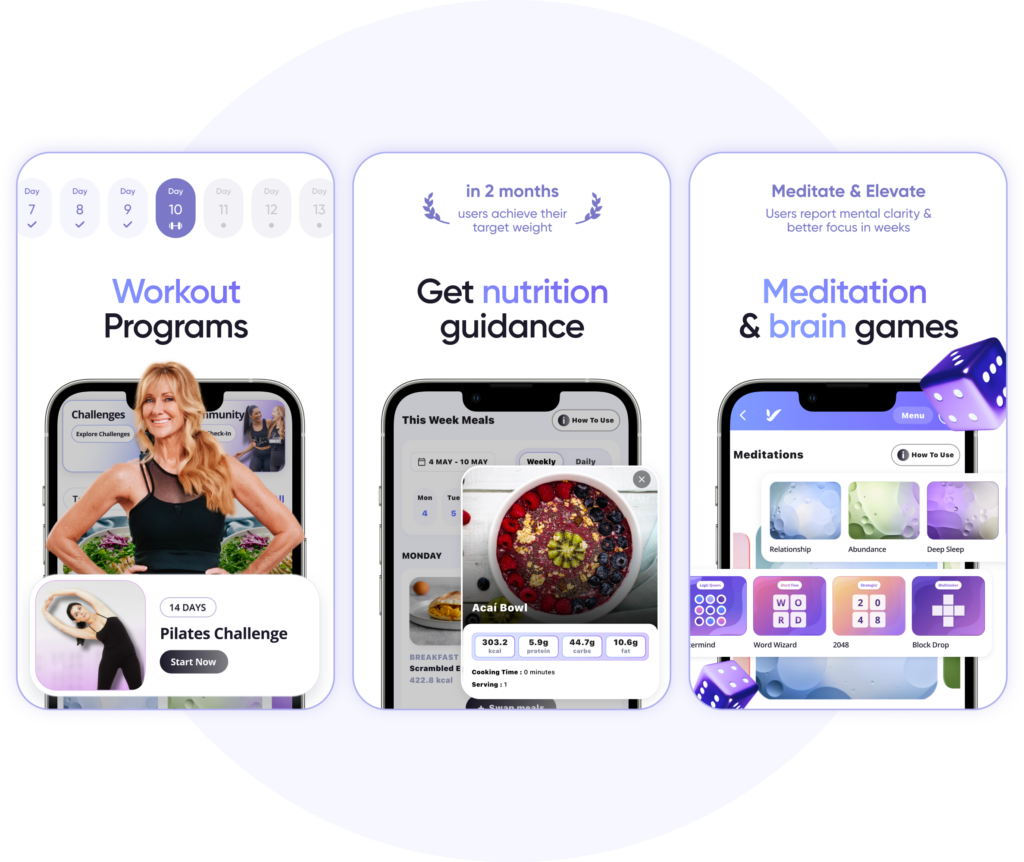
Fabulous50s vitality app
The all-in-one longevity app designed for midlife, with a clear, science-backed daily plan to help you build strength, energy, and confidence, at every stage of the journey.
Intervals give the body a different challenge, alternating short periods of harder effort with recovery.
For me, that’s a walking workout, or a bit of HIIT to lift my heart rate. It works on my VO2 max and gives me an instant energy boost.
The point is not to compete with anyone or push to exhaustion. Remember, intense high-impact work as we get older can do more harm than good.
The changes from cardio often show up in everyday life first. Walking feels easier. Stairs feel more manageable. Energy lasts longer. And the things we want to keep saying yes to begin to feel possible again.
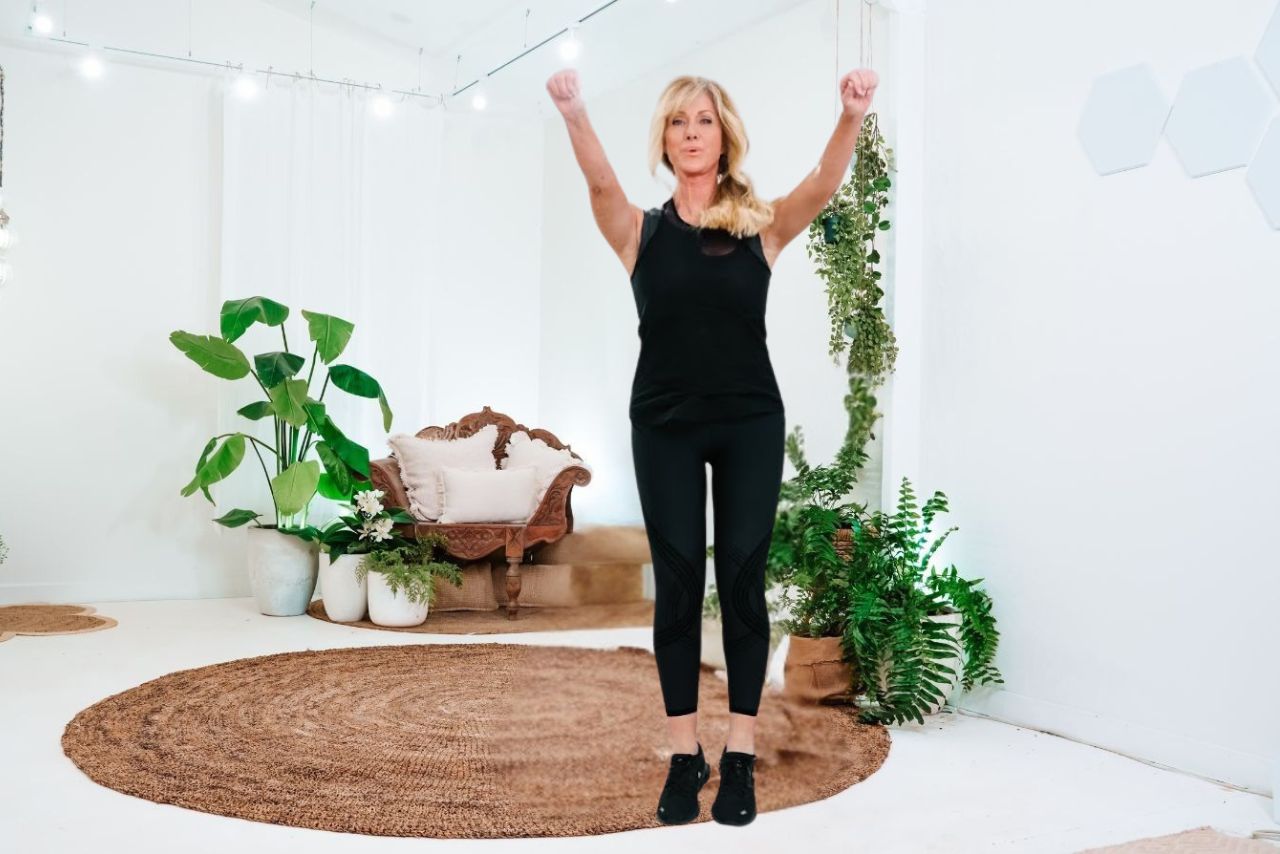
Build the stamina to enjoy sightseeing, airports, shopping and days spent exploring.
Give your heart, lungs and legs regular opportunities to practise sustained movement.
Build endurance gradually so distance feels more manageable.
Walking speed, posture, stride length and arm swing all contribute to the way we move through the world.
Build enough energy and stamina to stay involved in the moments that matter.
Cardio is ultimately about keeping enough fitness in reserve to participate fully in life.
Schellea Fowler is a Certified Personal Trainer and Neuro Athletics Coach specializing in exercise for older adults and the creator of The Fabulous50s Longevity Protocol™.
She built the Protocol out of her own decade of living through menopause, an osteoporosis diagnosis, and the body changes that come with age, after finding no program that actually fit this stage of life. Her approach flips the script most women are handed: instead of focusing on what they are losing, chiefly weight, she trains women to gain. Gain back bone, muscle, fitness, mobility, balance, and confidence. It is a five-pillar training system that slots easily into the average woman’s week, with a longevity test for each pillar so you can see where you are strong, where you are weak, train for it, and retest. Following her own diagnosis, Schellea did exactly that, rebuilding bone density, strength, and mobility and lowering key biological age markers.
Today, through Fabulous50s, she has helped millions of women across the world build strength, mobility, and confidence, evidenced by tens of thousands of comments from women who have done the training and seen the results.
Schellea Fowler
Founder of Fabulous50s and Vitality App
Walking is one of the best places to begin because it is simple, low impact, and easy to repeat. Indoor walking, cycling, swimming, dancing, and standing cardio workouts can also support heart health and endurance after 50.
A helpful goal is to build toward 150 minutes of moderate aerobic activity each week. This can be broken into shorter sessions, such as 10, 15, or 30 minutes at a time.
Yes, walking can be an excellent form of cardio after 50, especially when it gets your heart rate up and leaves you breathing a little faster. It is accessible, low-impact and easy to build into your everyday routine.
For the greatest benefits, combine regular walking with dedicated cardio sessions and gradually add variety or short intervals as your fitness improves. The goal is to keep your heart and lungs working while building the stamina you need to stay active and participate fully in life.
And remember, five minutes still counts. Start where you are and build from there.
Yes, but choose gentle options that feel supportive. Walking on flat ground, cycling, swimming, water workouts, chair cardio, and low-impact indoor walking can all be kinder to the knees.
Notice everyday changes such as having more energy, walking with greater ease, feeling less breathless during familiar activities and recovering more comfortably after movement.
It can work against you. Intense, high-impact cardio raises your cortisol. When you’re already in a hugely hormonal state through perimenopause and menopause, that added stress adds up. I think it’s one of the reasons so many women notice more belly fat through menopause. Ironically, the harder you push, the more your body can hold on.
Walk often. Then add some cardio two or three times a week through HIIT, walking workouts or even dancing. That’s how you look after your heart without burning yourself out. There’s a fine line between doing too much and too little.
No, you do not need to jump to improve your fitness. No-jumping cardio can still raise your heart rate, support your mood, build endurance, and help you feel more energetic.
Indoor walking can be just as useful for building consistency and cardio fitness, especially when weather, safety, or time makes outdoor walking difficult. Outdoor walking may offer extra benefits from fresh air, scenery, and natural light.
For fat loss after 50, cardio and strength training work best together. Cardio supports energy use and heart health, while strength training helps protect muscle, metabolism, posture, and function.
Walking is one of Schellea’s favourite and most underrated forms of movement. It can be an accessible way to build a regular cardio habit, and you can gradually change your pace, duration or terrain as your fitness develops.
Cardio is one of the Fabulous50s Five Pillars of Longevity™. The complete framework also includes Strength, Mobility, Balance and Power because each develops a different part of the physical capacity we want to protect as we age.
If you do no cardio and let your fitness slip away, you will age faster. Your breath becomes shallow, and before long you’re out of breath walking up a flight of stairs. Cardio keeps you capable and full of energy.