

The page you requested could not be found.
You might be interested in exploring our Blog.
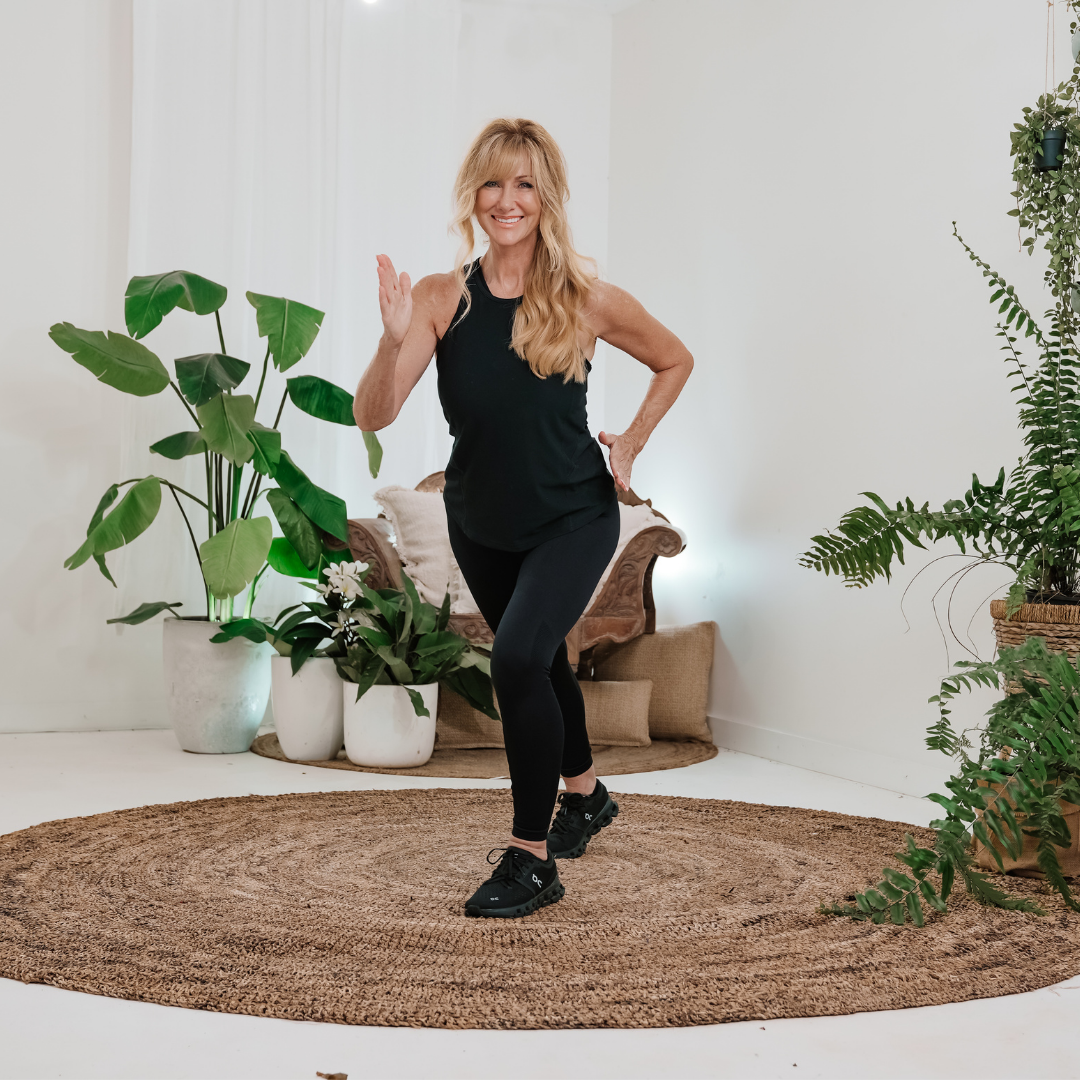
If someone had asked me years ago what mattered for healthy ageing, I would have said cardio, and maybe strength training. Power wouldn’t even have made the list. I simply didn’t understand how important it was.
When I was younger I did things that involved power without even realising it. I skipped rope all the time, I jumped, I moved quickly, I ran for buses and I bounded up stairs. Youth naturally gives us power, so we rarely stop to think about it.
Eventually I injured my knee from a lot of skipping on a hard surface, so I stopped. Later I started doing box jumps, and I kept progressing to higher boxes because my body could handle it at the time. Then menopause arrived, my joints became more sensitive, and I stopped doing those as well.
Looking back, I realise I approached power training completely the wrong way. I was doing the hardest version first. I wasn’t building up to it, and I wasn’t training power progressively. I was just doing whatever my body could tolerate at the time.
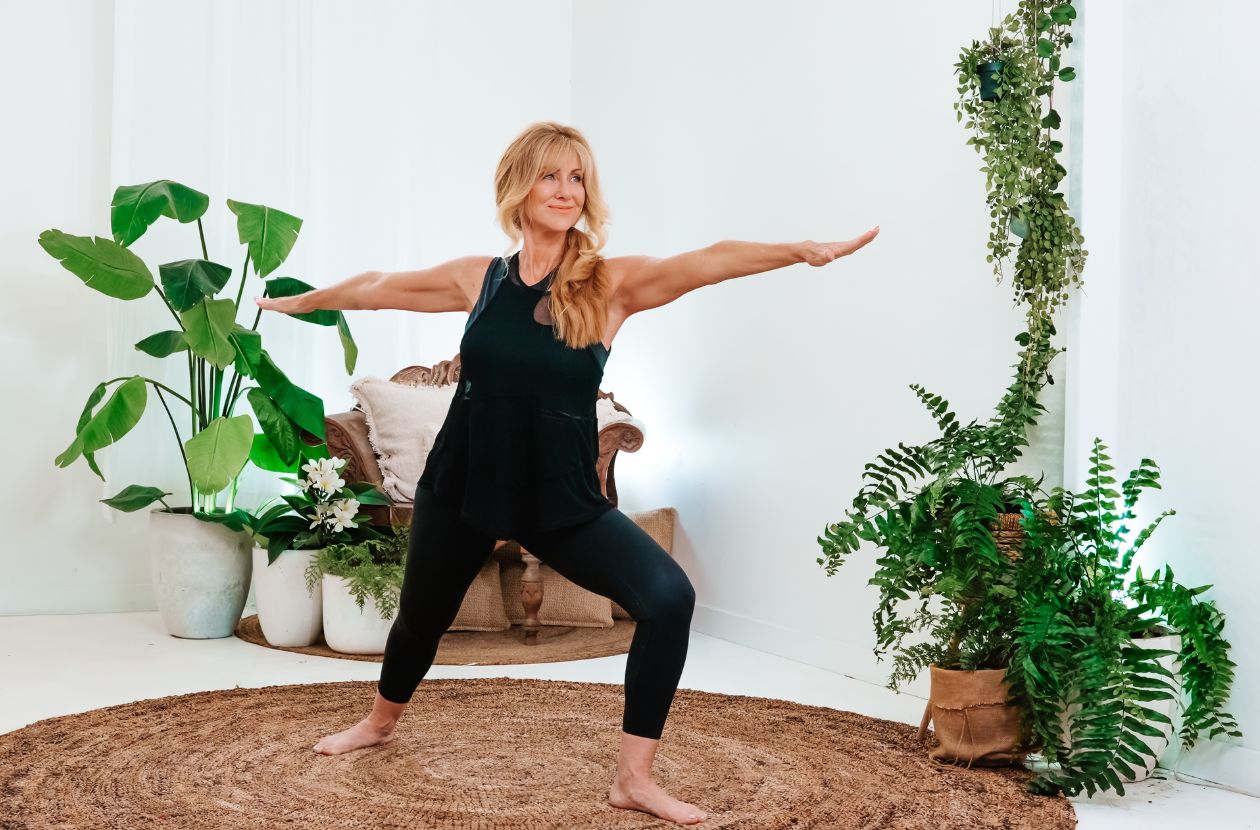
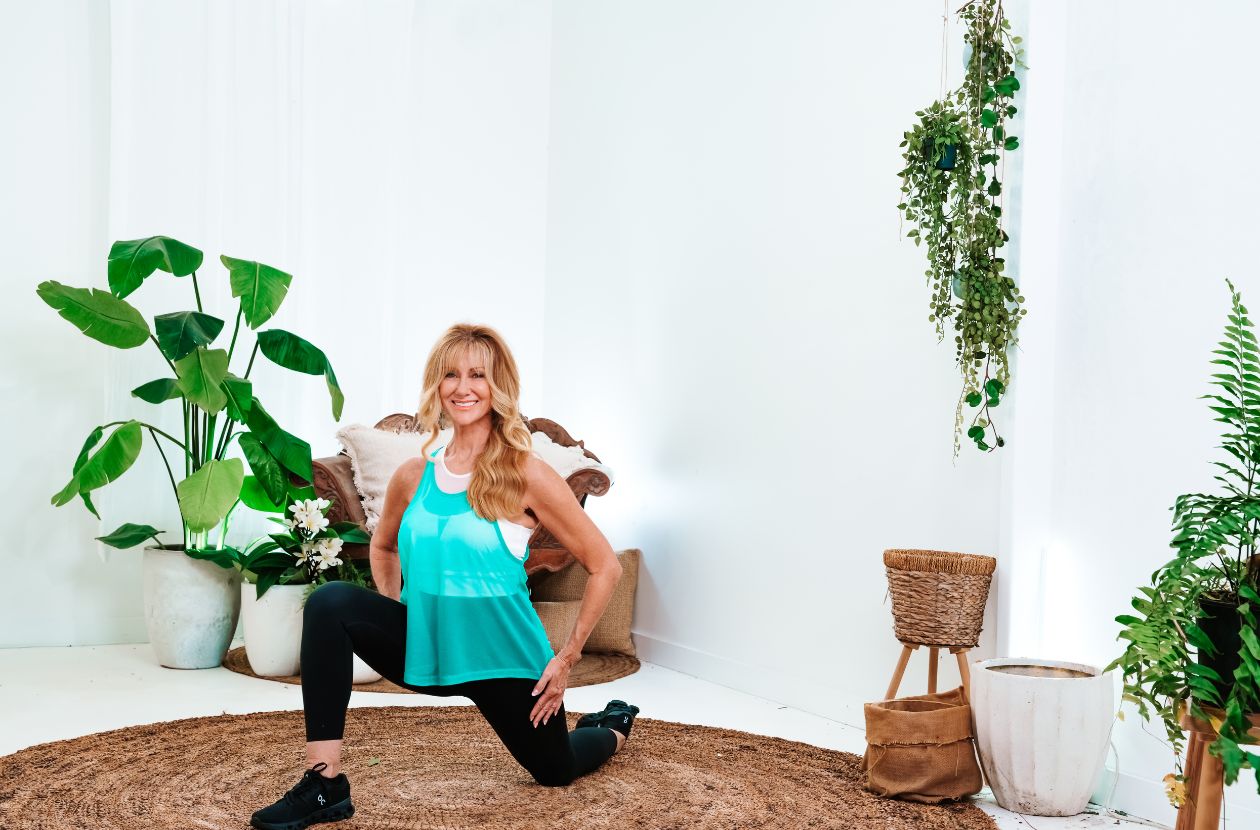
Strength matters. Muscle matters. But power is what makes your strength useful in the real world.
These days, when I see an older person shuffling, I think about it differently. I don’t just see someone getting older. I often see someone who has gradually lost their power. Their steps have become smaller, their movements slower, their reactions more cautious.
And power isn’t only about jumping.
Power can be stepping in different directions, moving sideways, moving backwards, hopping gently, changing speed, changing direction and learning to control your body while it moves in unpredictable ways. These movements teach your brain something really important. I can still stay upright. I can still react. I can still move with confidence.
That’s exactly why power is one of the pillars of the Fabulous50s Longevity Protocol.
The Fabulous50s Longevity Protocol™ begins with Movement. Ten minutes a day is our MVP, the minimum that keeps you young. Those ten minutes cover the Fabulous50s Five Pillars of Longevity™: strength, cardio, balance, power and mobility.
Three Supporting Elements hold that movement up. Nutrition brings the protein, fibre, minerals, carbohydrates and fats that keep your muscle, bone and energy strong. Recovery is your sleep, your meditation, your community and your kindness towards yourself. Brain Training is five focused, repeatable games that keep your mind sharp.
Power training becomes easier to understand when we connect it to the moments that matter in daily life. Choose the area you would most like to improve and begin there.
Build the speed and leg drive that help you rise with greater ease.
Train the leg power used to push your body upward and move from one step to the next.
Practise stepping, direction changes and responsive movement that help your body recover.
Begin with controlled movements that train speed, direction and force while your feet remain close to the floor.
Whether you are completely new to power training or ready to understand the science behind it, choose the pathway that best matches what you need today.
Whether you answered often, sometimes or not at all, these questions help you notice how confidently your body handles everyday movements. Power can be improved at any age, so begin with simple, controlled exercises and progress at a level that feels right for you.
Noticing a change does not mean your body has failed. It gives you a useful starting point. Power is a physical quality that can be practised and progressively rebuilt. Begin with supported, low-impact power movements that build speed and confidence gradually.
Begin with clear, beginner-friendly guidance that explains what power training is, why it matters after 50 and how to start safely with simple, controlled movements.
A complete introduction to power, why it changes with age and how to begin.
Discover why strength alone may not fully support quick reactions, faster movement and fall recovery.
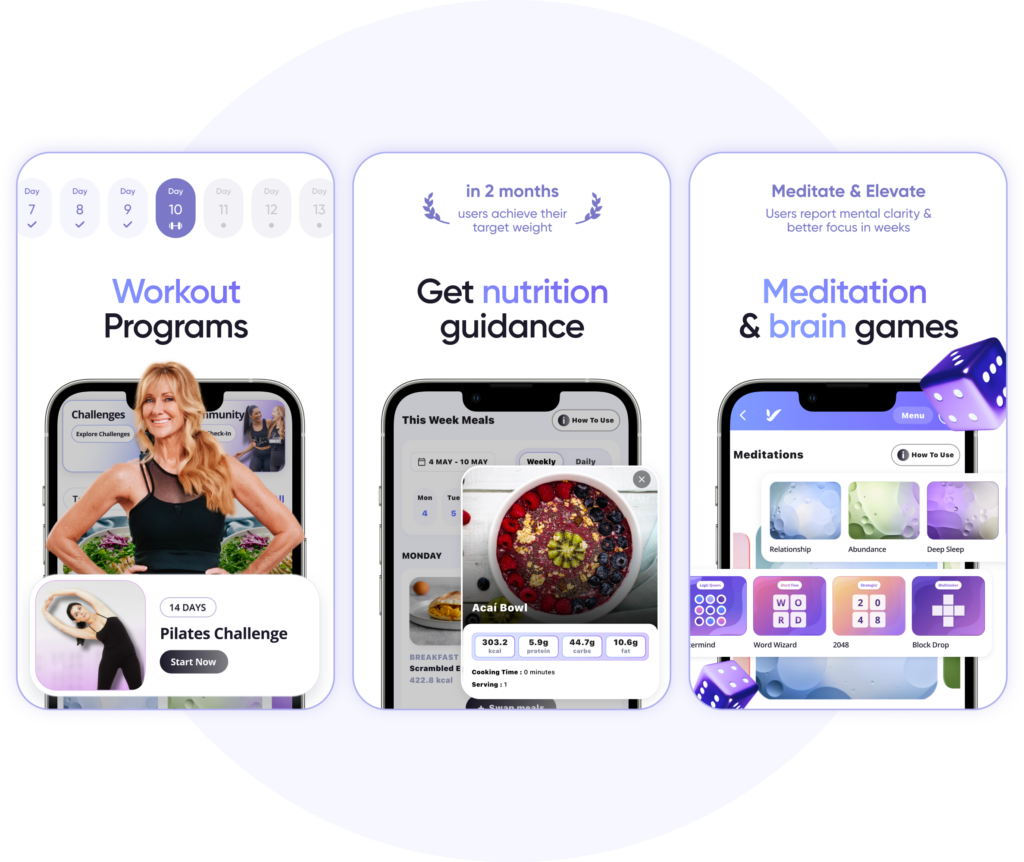
Fabulous50s vitality app
The all in one longevity app designed for midlife, with a clear, science-backed daily plan to help you build strength, energy, and confidence, at every stage of the journey.
Explore how power, leg strength and safe exercise can support stronger bones, quicker reactions and greater confidence in everyday movement.
Jumping and higher-impact movement are not universally appropriate for women with osteoporosis. Bone-supporting exercise must be matched to the individual, and professional guidance is recommended before adding impact.
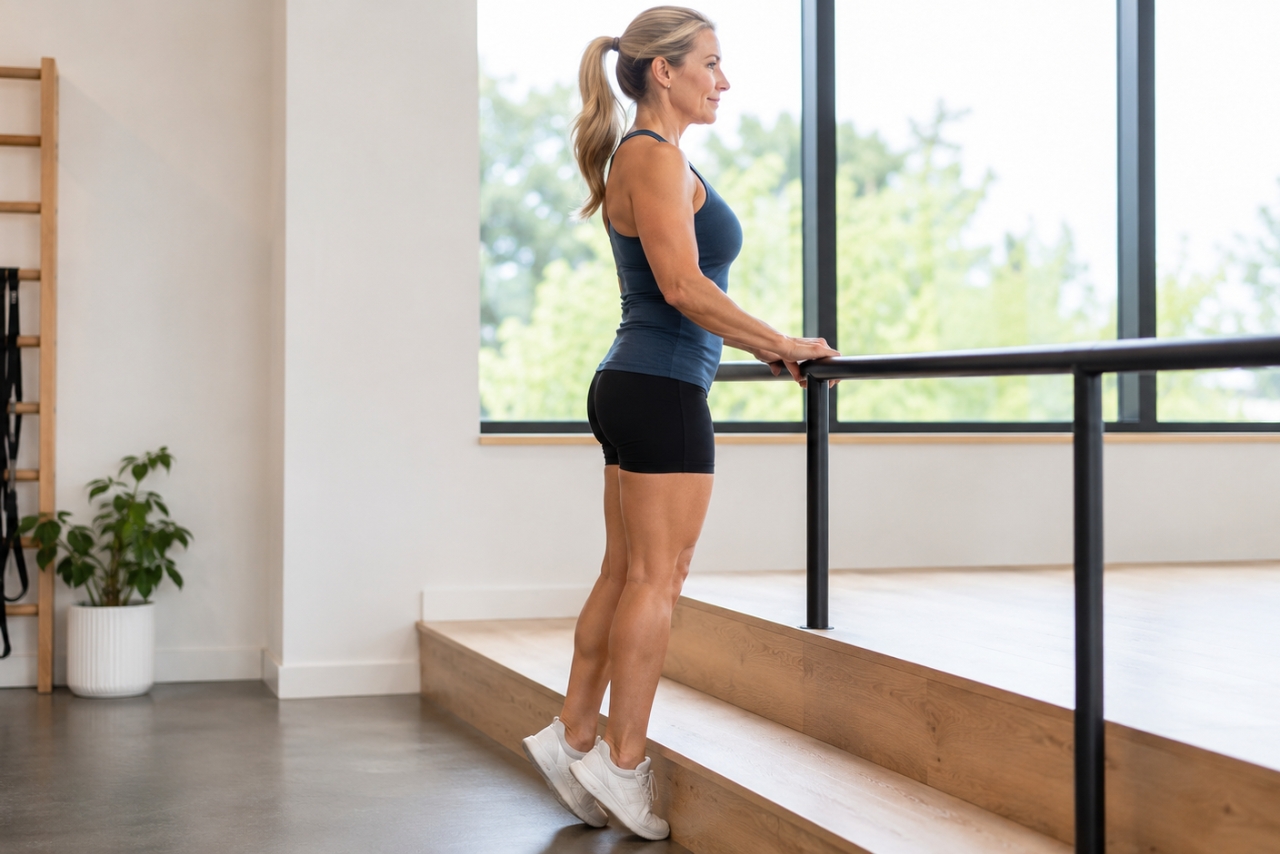
Strength and power are related, but they are not the same. Strength is your ability to produce force. Power adds speed to that force.
A strong leg may help you stand. Leg power helps you stand quickly when the doorbell rings, step up onto a curb or recover when your foot catches on something. This is why strength training and power training belong together.
Lift and carry
React and move quickly
Build muscle
Use muscle at speed
Support joints
Respond to a trip
Hold a position
Change direction
Rise from a chair
Rise with greater speed
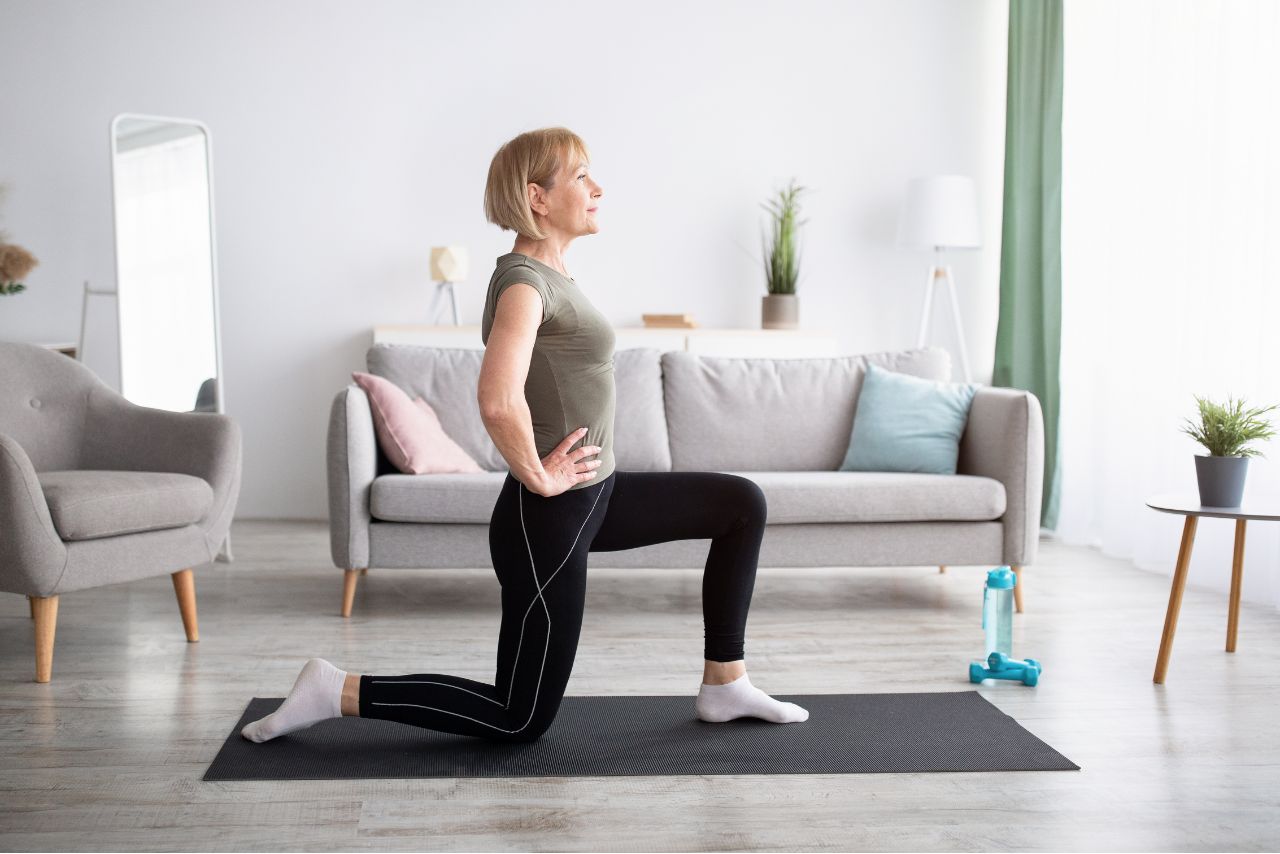
Stand up from a chair or get off the floor with more confidence.
Move onto a curb, climb a stair or step over something in your path.
Change direction or respond quickly when something unexpected happens.
Take a quick step and regain control when you stumble or lose your balance.
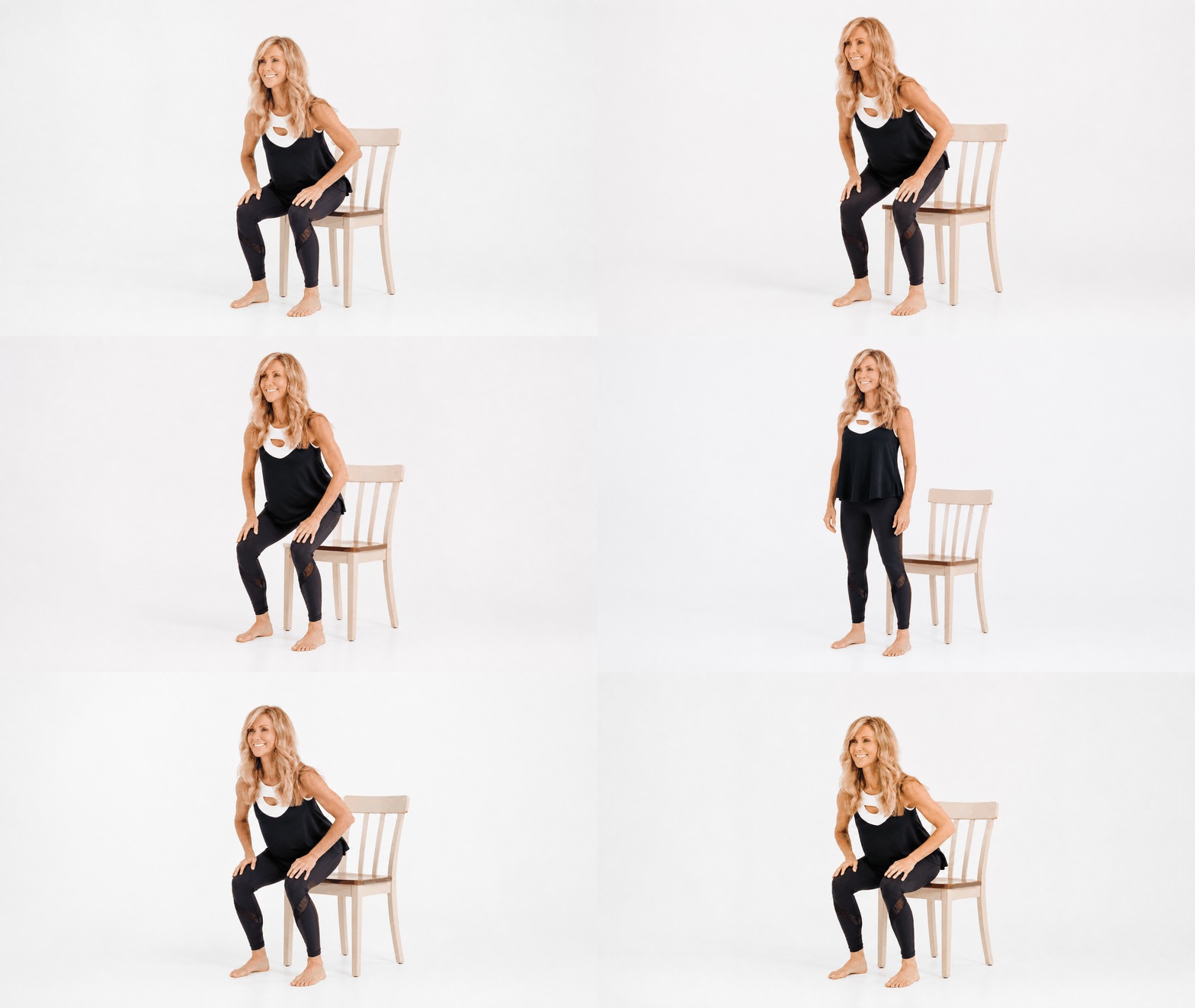
Practise rising from a sturdy chair with control and purpose.

Train your body to move laterally and respond to a change in direction.
Begin introducing controlled force through the feet and lower body.
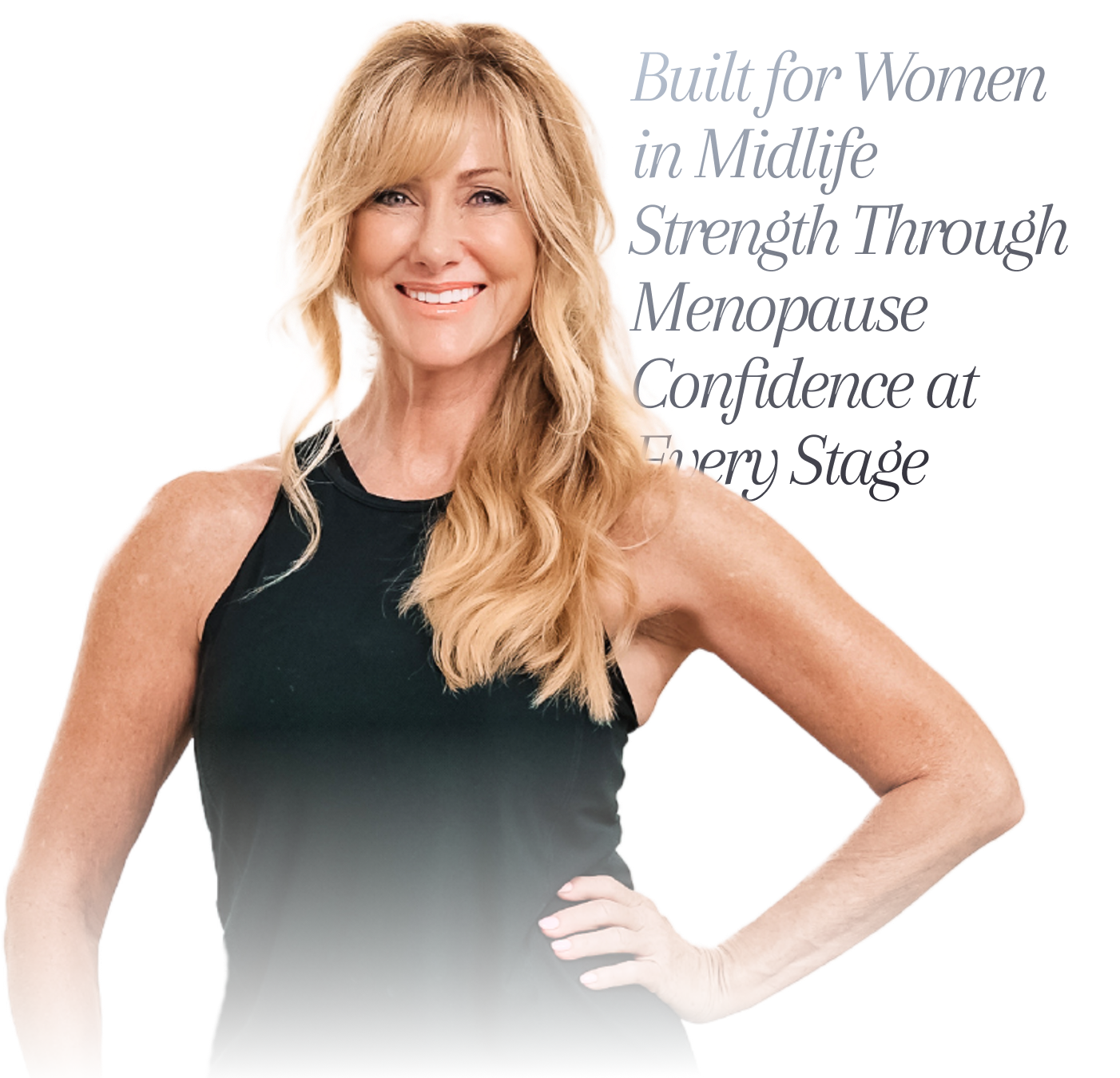
Schellea Fowler is a Certified Personal Trainer and Neuro Athletics Coach specializing in exercise for older adults and the creator of The Fabulous50s Longevity Protocol™.
She built the Protocol out of her own decade of living through menopause, an osteoporosis diagnosis, and the body changes that come with age, after finding no program that actually fit this stage of life. Her approach flips the script most women are handed: instead of focusing on what they are losing, chiefly weight, she trains women to gain. Gain back bone, muscle, fitness, mobility, balance, and confidence. It is a five-pillar training system that slots easily into the average woman’s week, with a longevity test for each pillar so you can see where you are strong, where you are weak, train for it, and retest. Following her own diagnosis, Schellea did exactly that, rebuilding bone density, strength, and mobility and lowering key biological age markers.
Today, through Fabulous50s, she has helped millions of women across the world build strength, mobility, and confidence, evidenced by tens of thousands of comments from women who have done the training and seen the results.
Schellea Fowler
Founder of Fabulous50s and Vitality App
No. Power can be trained through faster sit-to-stands, heel drops, quick steps, stair climbing, direction changes and other controlled movements.
Yes. Beginners can start with small, supported movements and gradually introduce more speed as confidence and control improve.
No. Strength is our ability to produce force, while power includes how quickly we can use that strength. Both are important after 50. Strength may help you rise from a chair, while power helps you respond quickly when you need to stand, step, catch yourself or change direction. Strength is important. Muscle is important. But power makes strength useful in the real world.
Yes, but your starting point should match your current ability. Power does not need to begin with jumping or high-impact exercise. Schellea recommends first building confidence with small, controlled movements and progressing gradually as the body adapts. Modifications are not a lesser version of power training. They are an appropriate place to begin.
The movement may need to be smaller, slower or lower impact. The appropriate starting point depends on your symptoms, health history and current ability.
Real life sometimes requires us to react quickly when we trip, step awkwardly or lose our balance. Power exercises that involve stepping, changing direction and responding quickly can help practise those reactions. This also connects power with the Balance Pillar of the Fabulous50s Longevity Protocol, where the goal is not simply to avoid losing balance but to become better at recovering it.
Power training should be adapted to your body. Schellea experienced increased joint sensitivity around menopause and learned from her own knee injury that progressing too quickly can cause problems. Her approach now is to reduce the intensity, make movements smaller and develop confidence before progressing to more demanding exercises.
Power and bone-supporting exercise must be matched to the individual. Women with osteoporosis, previous fractures or a high fracture risk may need guidance before introducing impact or more demanding movements.
Power is involved in more daily activities than we might realise. It helps when we rise from a chair, get off the floor, climb stairs, step onto a curb, move out of the way quickly, catch ourselves after a trip or respond to an unexpected change in our environment. Schellea describes power training as preparation for the moments when life suddenly asks us to move quickly.
Power is one of the Fabulous50s Five Pillars of Longevity, alongside Strength, Cardio, Mobility and Balance. The Fabulous50s framework positions power as the ability to remain quick, responsive and capable. Training may include fast sit-to-stands, stair climbing, direction changes, hopping, jumping and reactive movement, with exercises modified to suit the individual.
The three pillars support different but connected abilities. Strength gives us the capacity to produce force. Power helps us use that force quickly. Balance helps us remain steady and recover when we become unstable. Together, they support everyday movements such as climbing stairs, getting out of a chair, navigating uneven surfaces and responding when we stumble.
The Fabulous50s Five Pillars of Longevity are Strength, Cardio, Mobility, Balance and Power. Together, they create a more complete approach to maintaining muscle, cardiovascular fitness, movement, steadiness, responsiveness and independence after 50. The protocol is also supported by Brain Training, Real Nutrition, Recovery and Community Connection.
The Fabulous50s Vitality App brings the Longevity Protocol together through guided workouts and programs across Strength, Cardio, Mobility, Balance and Power, along with recovery, brain training, nutrition education and community support. It provides a structured way to turn the principles of the protocol into regular practice.