
Low bone density can make many women feel cautious about exercise, and that caution is understandable. When bones are more fragile, the goal is not to move less. The goal is to move more intelligently.
This is where safe balance training becomes so useful. Balance exercises do not directly build bone in the same way as resistance training or appropriate impact work, but they help reduce one of the biggest risks for women with low bone density: falling.
For women with osteopenia or osteoporosis, preventing falls is a major part of protecting bone health. We do not train balance so we never lose our balance. We train balance so we can get it back.
Balance is one of the Five Pillars of the Fabulous50s Longevity Protocol™ because it supports steadiness, coordination, confidence, and nervous system responses.
Key Takeaways: Safe Balance Training
- Safe balance training helps women with low bone density reduce fall risk and protect independence.
- Balance work should be supported, slow, controlled, and adapted to your current ability.
- Women with low bone density should be careful with fast twisting, deep forward bending, and unsupported balance challenges.
- Fabulous50s balance workouts can help women practice stability in a gentle, guided way.
- The Fabulous50s Vitality App supports Balance as part of the full Fabulous50s Longevity Protocol™.
How Does Safe Balance Training Support Low Bone Density?

Safe balance training teaches the brain, eyes, inner ear, feet, muscles, and joints to work together more clearly. When these systems communicate well, we are better able to shift weight, step around obstacles, turn with control, and recover from a wobble.
The International Osteoporosis Foundation recommends that exercise for people with osteoporosis should include posture, balance, gait, coordination, and hip and trunk stabilization, not just general aerobic exercise. It also warns that some movements, including excessive bending at the waist and twisting movements, may not be suitable for people with osteoporosis, especially those with spine fractures.
That means balance work should be steady and progressive. We are not trying to create fear or push the body into risky positions. We are teaching the body to feel safer, more responsive, and more capable.
READ ALSO: Balance Exercises for Osteoporosis and Fall Prevention After 50
What Makes Balance Training Safe With Low Bone Density?
The safest balance exercises are the ones that challenge stability without removing control. A wall, bench, kitchen counter, or sturdy chair should always be nearby when you practice.
Good options include supported single-leg standing, heel-to-toe standing, side steps, weight shifts, slow marching, sit-to-stands, and gentle toe taps. These exercises train balance while also supporting leg strength, posture, and coordination.
The Too Fit To Fracture recommendations strongly support a multicomponent exercise program that includes resistance and balance training for people with osteoporosis or osteoporotic vertebral fracture. Osteoporosis Canada also recommends balance exercises two or more times per week, with gradual increases in difficulty over time.
READ ALSO: A Guide to Power Training for Women Over 50
Which Movements Need Extra Care?
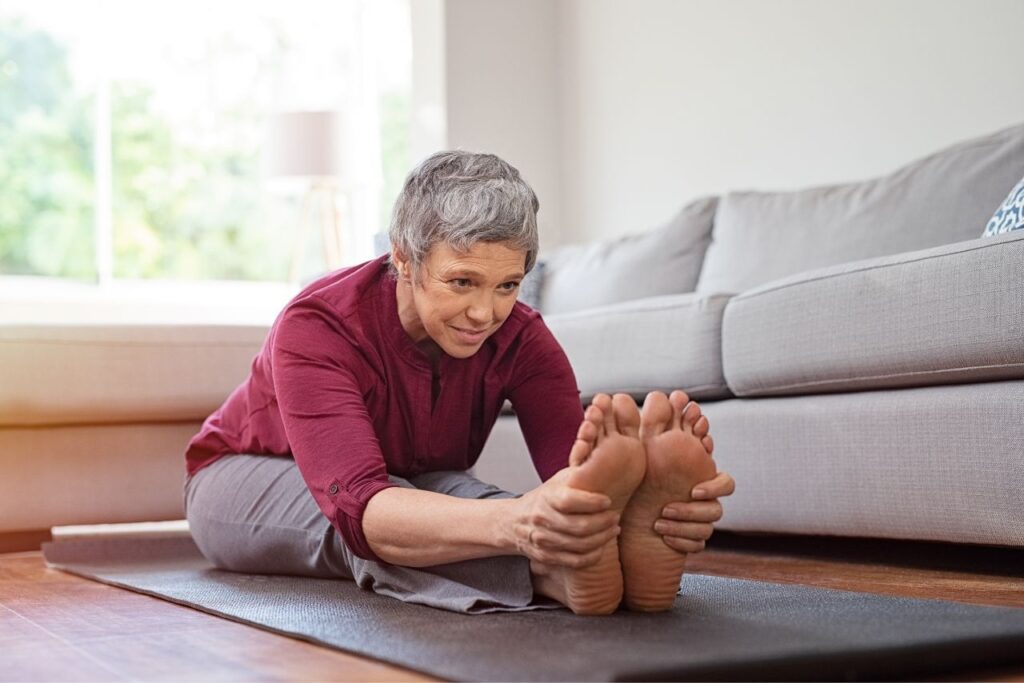
Low bone density does not mean your body is broken, but it does mean exercise choices matter. Women with osteoporosis or very low bone density should be careful with deep forward bending from the waist, fast twisting, loaded spinal flexion, high-impact movements without preparation, and unsupported balance exercises that feel unsafe.
Mayo Clinic notes that bending forward at the waist and twisting at the waist can increase the risk of spinal fractures in people with osteoporosis, especially with movements such as toe touches, sit-ups, or forceful twisting activities. The Bone Health and Osteoporosis Foundation also advises people with very low bone density or a recent fracture to speak with a healthcare provider or physical therapist before trying certain exercises and to avoid activities that involve too much forward bending or twisting.
A helpful rule is to keep your spine long, move slowly, and stay within a range that feels controlled. If you feel dizzy, rushed, unstable, or afraid, the exercise needs to be modified.
READ ALSO: How Osteoporosis Changed My Life at 50
What Are the Best Safe Balance Exercises to Start With?
Start with simple exercises that give your body feedback without overwhelming it.
Supported Single-Leg Stand: Stand beside a chair or wall. Shift your weight into one foot and lift the other foot slightly. Hold for a few seconds, then switch sides.
Heel-to-Toe Stand: Place one foot in front of the other as if standing on a line. Keep support nearby and hold the position.
Side Steps: Step to the side, bring the other foot in, then repeat. This helps train side-to-side control, which is important because many falls happen when we lose balance laterally.
Weight Shifts: Stand with feet hip-width apart and gently shift weight forward, backward, and side to side.
Sit-to-Stand: Rise from a chair with control, then slowly sit back down. This supports leg strength, balance, and daily function.
These are simple, but they are not small. Every controlled repetition gives your nervous system another chance to practice steadiness.
READ ALSO: How to Start Power Training Without Jumping
Fabulous50s Balance Workouts to Try
These Fabulous50s YouTube workouts can support safe balance training for women over 50. Choose the gentlest option first, keep support nearby, and speak with your healthcare provider if you have osteoporosis, recent fractures, spinal pain, dizziness, or any medical concern.
Build Stronger Bones Fast With This Simple 8 Min Routine
This osteoporosis-focused workout is designed to help build stronger bones, improve balance, and increase power.
Master Your Balance at 50+ With This Quick Standing Workout
A gentle 7-minute balance workout for women over 50 who feel unsteady, stiff, or worried about falling.
10 Minute Balance Exercises Workout
A 10-minute Fabulous50s balance routine focused on fall prevention and balance control after 50.
9-Minute Balance Workout: Improve Stability & Prevent Falls
A short balance workout for women over 50, beginners, and seniors who want to improve stability.
Osteoporosis Workouts for Women Over 50 Playlist
A Fabulous50s playlist with osteoporosis-focused workouts for bone strength, balance, and confidence.
How Often Should You Practice?
For most women with low bone density, safe balance training can begin two or more times per week. Short daily practice can also be helpful if it feels safe and supported.
You do not need a long routine. Five to ten minutes is a strong starting point. The goal is to repeat safe movement often enough that your body becomes more confident.
Over time, you may progress by holding a position a little longer, using lighter support, stepping in more directions, or adding gentle reaching.
How Can You Progress Without Feeling Unsafe?

Progress should feel steady. If you begin by holding a chair with both hands, the next step may be using one hand. Then fingertips. Then a few seconds hovering close to the chair without holding it.
You can also progress by slowing the movement down. Slow movement asks the core, hips, ankles, and feet to work harder without adding impact. For women with low bone density, this is often a safer way to build control.
Safe balance training should leave you feeling more capable, not more anxious. The best version is the one you can repeat consistently.
When Should You Get Guidance?
Speak with a healthcare professional or physical therapist before starting if you have had a recent fracture, spinal fracture, severe osteoporosis, unexplained dizziness, neurological symptoms, severe back pain, recent surgery, or repeated falls.
Also pause if any exercise causes sharp pain, dizziness, breathlessness, or a sense that you cannot control the movement. Your body deserves a plan that fits your diagnosis, your confidence, and your current ability.
Final Thoughts
Low bone density does not mean you have to stop moving. It means your movement needs to be thoughtful, supported, and progressive.
Safe balance training helps you practice the skills that protect everyday freedom: standing, stepping, turning, reaching, recovering, and trusting your body again. For women with low bone density, that trust is powerful.
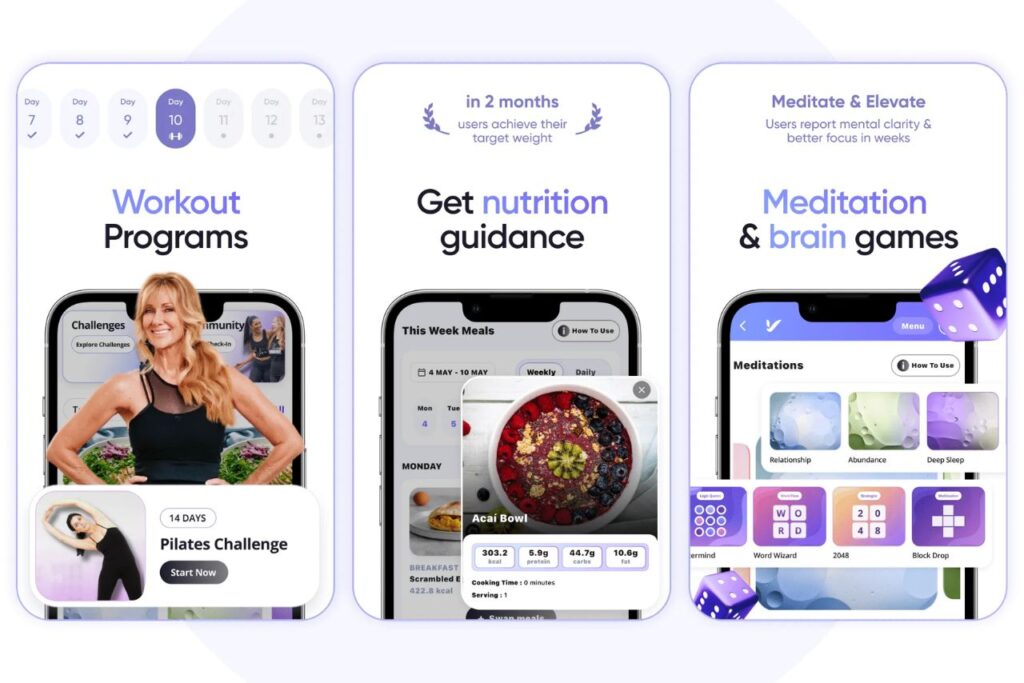
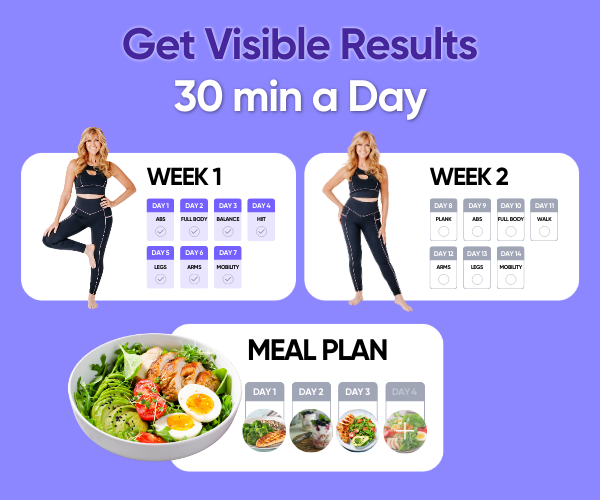
Inside the Fabulous50s Vitality App, you can follow guided workouts that support Balance, Strength, Cardio, Mobility, and Power as part of the Fabulous50s Longevity Protocol™. The app gives you structure, encouragement, and safe options so you can keep building steadiness and confidence one workout at a time.
Frequently Asked Questions
Yes, balance training can be safe when it is supported, controlled, and adapted to your ability. Keep a wall or chair nearby and avoid exercises that feel unstable or rushed.
A supported single-leg stand is a good starting point. Stand beside a chair, lift one foot slightly, and hold for a few seconds before changing sides.
Balance training may help reduce fall risk. Since many fractures happen after a fall, improving steadiness can be an important part of protecting bone health.
Many women can practice supported single-leg balance, but it should be done near a sturdy surface. If you feel unsafe, start with weight shifts or heel-to-toe standing instead.
Be careful with deep forward bending, fast twisting, unsupported balance drills, and high-impact movements unless your healthcare provider has cleared them.
Two or more times per week is a good starting point. Short daily practice can also help if the exercises feel safe.
Yes, but choose gentle workouts first, use support when needed, and check with your healthcare provider if you have osteoporosis, recent fractures, spinal pain, dizziness, or very low bone density.
International Osteoporosis Foundation. “Exercise.” International Osteoporosis Foundation. https://www.osteoporosis.foundation/patients/prevention/exercise
Giangregorio, L.M., et al. “Too Fit To Fracture: Exercise Recommendations for Individuals With Osteoporosis or Osteoporotic Vertebral Fracture.” Osteoporosis International, 2014. https://pubmed.ncbi.nlm.nih.gov/24281053/
Osteoporosis Canada. “Too Fit To Fracture.” Osteoporosis Canada, 2024. https://osteoporosis.ca/too-fit-to-fracture/
Mayo Clinic. “Exercising With Osteoporosis: Stay Active the Safe Way.” Mayo Clinic. https://www.mayoclinic.org/diseases-conditions/osteoporosis/in-depth/osteoporosis/art-20044989
Bone Health and Osteoporosis Foundation. “Be Bone Strong™: Exercise to Stay Healthy.” Bone Health and Osteoporosis Foundation. https://www.bonehealthandosteoporosis.org/preventing-fractures/exercise-to-stay-healthy/