
There’s nothing quite as frustrating as staring at the ceiling in the middle of the night, your thoughts racing while the rest of the world sleeps peacefully.
If you’ve ever found yourself wide awake at 2 a.m., exhausted but unable to drift off, you’re not alone and you’re not broken. Sleep struggles are more common than we think, especially as we grow older and life’s stresses shift.
But with a few gentle changes and a little science on your side, you can create a night routine that feels like a warm hug to your nervous system.
Here’s your comforting guide to what really works when sleep plays hard to get as well as research-backed ways to invite deep rest into your nights again.
Insomnia: Why You Can’t Sleep
For many people with insomnia, it’s not just about not being tired; it has a deeper cause. Knowing the cause is key to addressing the solution.
Stress and Anxiety are leading causes of sleep problems. When your brain is in a state of alertness, it resists the transition to rest. According to the Sleep Foundation, stress can cause hyperarousal, which interferes with the sleep cycle.
Hormonal Changes, especially during perimenopause and menopause, cause fluctuations in estrogen and progesterone that disrupt sleep. The North American Menopause Society confirms that 40–60% of women report sleep issues during midlife.
Sleep Hygiene Mistakes, like using devices before bed or having irregular routines, disturb melatonin production and throw off your circadian rhythm.
Medical Conditions such as acid reflux, restless legs syndrome, or side effects of medications can silently steal your rest.
READ ALSO: The Surprising Link Between Sleep and Brain Health for Women Over 50: Tips and Insights
Things to do When You Can’t Sleep
1. Create a Restful Sleep Environment
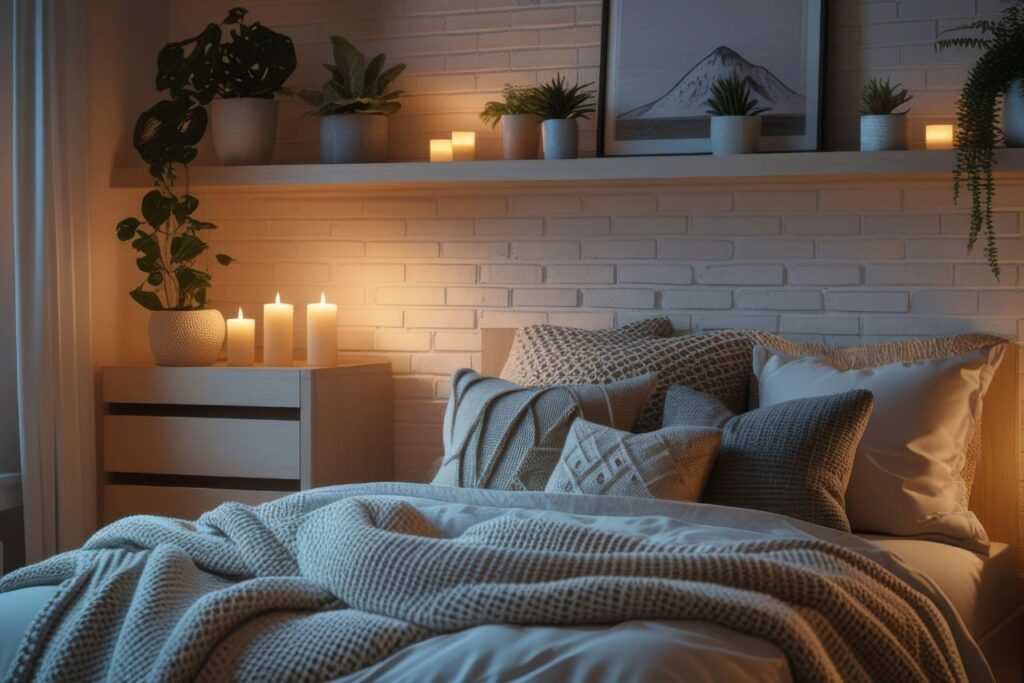
Optimizing your bedroom setup is one of the easiest and most effective ways to improve sleep. Your environment plays a huge role in how quickly and deeply you rest.
- Keep It Cool and Dark
Sleep experts recommend setting your bedroom temperature to between 60–67°F (15.6–19.4°C) for optimal sleep. Darkness is also key, use blackout curtains or a sleep mask.
- Limit Electronic Devices
The blue light from screens suppresses melatonin production, the hormone that helps you fall asleep. The National Sleep Foundation advises turning off screens at least 60 minutes before bedtime.
- Make the Bed Inviting
A comfortable mattress and breathable bedding aren’t just nice-to-haves, they’re essential. If your back hurts or you’re constantly tossing, it may be time for a sleep surface upgrade.
2. Build a Nighttime Wind-Down Routine

A predictable and relaxing pre-bed ritual tells your brain that sleep is near.
- Light Movement
A few minutes of gentle stretching or restorative yoga can lower cortisol (the stress hormone) and calm your nervous system.
- Herbal Teas
Chamomile, valerian root, and lemon balm have mild sedative properties that may ease anxiety and help you relax naturally.
- Journaling Before Bed
Writing down your worries or making a gratitude list can help declutter your mind and ease you into sleep. Studies show expressive writing helps reduce intrusive thoughts and improves sleep.
3. Use Natural Light Wisely

Daylight exposure impacts melatonin production and helps regulate your circadian rhythm. Aim to:
- Get 30 minutes of natural sunlight every morning.
- Reduce exposure to artificial light in the evening.
4. Don’t Lie in Bed Awake

If sleep still won’t come after 20–30 minutes, get out of bed. This prevents your brain from associating the bed with stress and wakefulness.
Do something calm, like reading or journaling in low light, and then return when you’re sleepy again.
5. Consider Natural Sleep Supplements (with Medical Advice)

If lifestyle changes aren’t enough, you might consider temporary use of sleep supplements such as:
- Melatonin: Best used short-term or for travel-related jet lag.
- Magnesium Glycinate: A calming mineral that can ease tension and restlessness.
- Magnesium threonate, or magnesium L-threonate: Calms the nervous system and supports healthy brain function, making it easier to relax and fall into deep, restorative rest.
- Valerian Root and L-theanine: Plant-based options with evidence for relaxation.
Always consult a healthcare provider before using supplements.
READ ALSO: 15 Best Supplements to Support Healthy Aging and Boost Energy
Nutrition Tips That Support Sleep
Food affects sleep more than most people realize.
- Avoid caffeine after 2 p.m., and watch your alcohol intake, it disrupts REM sleep.
- Incorporate tryptophan-rich foods like turkey, dairy, oats, and bananas in your evening meals.
- Magnesium-rich foods like leafy greens, almonds, and seeds help calm the nervous system.
Science-Backed Techniques to Fall Asleep Fast
If you’re already in bed and wide awake, try these research-supported methods:
1. The 4-7-8 Breathing Technique
Developed by Dr. Andrew Weil, this breathing pattern activates the parasympathetic nervous system, helping your body relax.
2. Progressive Muscle Relaxation (PMR)
Tense and relax each muscle group starting from your feet upward. PMR has been shown to reduce insomnia and anxiety in multiple clinical trials.
3. Guided Visualization
Imagining peaceful scenes has been found to reduce heart rate and blood pressure, easing the body into sleep.
READ ALSO: 10 Tips For Better Sleep When You Are Over 50
When to Seek Help from a Sleep Specialist
Persistent insomnia that occurs 3 or more nights per week for at least 3 months may require professional treatment, such as Cognitive Behavioral Therapy for Insomnia (CBT-I), which has a proven success rate.
Final Thoughts
Your body is wise and it wants to rest. With consistent care, a soothing environment, and simple techniques rooted in science, your nights can become peaceful again.
This chapter of life comes with its own rhythms and needs, and learning to honor them is one of the most powerful gifts you can give yourself.
So instead of battling the stillness, welcome it. Let go of the pressure to “fix” your sleep and simply allow rest to return in its own time.
Your journey matters, your wellness matters, and you absolutely deserve nights filled with peace and mornings filled with renewed energy. Keep going, you’re doing beautifully.
References
American Academy of Sleep Medicine. (n.d.). Insomnia. Retrieved from https://aasm.org/resources/factsheets/insomnia.pdf
American Psychological Association. (2013). Writing about emotions may ease stress and trauma. APA. Retrieved from https://www.apa.org/news/press/releases/stress/2013/writing
Harvard Health Publishing. (2019, August). How to pick the best mattress. Harvard Medical School. Retrieved from https://www.health.harvard.edu/staying-healthy/how-to-pick-the-best-mattress
Johns Hopkins Medicine. (n.d.). Causes of insomnia. Retrieved from https://www.hopkinsmedicine.org/health/conditions-and-diseases/insomnia
Mayo Clinic. (2022, November 11). Insomnia treatment: Cognitive behavioral therapy instead of sleeping pills. Retrieved from https://www.mayoclinic.org/diseases-conditions/insomnia/in-depth/insomnia-treatment/art-20046677
National Center for Complementary and Integrative Health. (2022). Herbs at a glance: Valerian. National Institutes of Health. Retrieved from https://www.nccih.nih.gov/health/sleep-disorders-in-depth
National Sleep Foundation. (n.d.). Technology and sleep. Retrieved from https://www.thensf.org/technology-and-sleep/
North American Menopause Society. (n.d.). Sleep and menopause. Retrieved from https://www.menopause.org/for-women/menopauseflashes/sleep-and-menopause