
Bone health can start to feel scary when you get a DEXA scan result or a well-meaning doctor’s warning. We see the word “osteoporosis” and our minds go to being weak, having limits, and not being able to do things we used to be able to do. But we want to flip that script today, because the science tells a different story. Exercise, when done correctly, is one of the best ways to protect and rebuild our bones after age 50.
Your bones are made of living tissue. They do what you ask them to do, they get stronger when we ask them to work, and they slowly lose density when we stop pushing them. That is biology, and it helps us when we get moving.
So, if you have never exercised consistently before, or if you are coming back to movement after a long break, this is the right place to start. We’re going to walk through the best osteoporosis exercises for beginners over 50, exactly why each one matters, and how to get started without getting too stressed out.
Key Takeaways: Best Osteoporosis Exercises for Beginners Over 50
- Osteoporosis is a silent condition that accelerates after menopause, but exercise is one of the most powerful tools we have to fight back.
- The best osteoporosis exercises for beginners over 50 combine weight-bearing movement, resistance training, and balance work.
- You do not need a gym or fancy equipment. Most of these exercises can be done safely at home.
- Start slowly and build gradually. Even two to three sessions a week can make a meaningful difference to bone density over time.
- Balance and posture exercises are just as important as strength work because they reduce your risk of falls and fractures.
- Always check with your doctor or physiotherapist before starting a new exercise program, especially if you already have a diagnosis of osteoporosis or osteopenia.
Why Are Osteoporosis Exercises So Important After Age 50?
After menopause, oestrogen levels drop a lot, and the process of breaking down old bone, called bone resorption, starts to happen faster than the process of making new bone.
A 2022 study published in Sensors (MDPI) found that postmenopausal women with osteopenia or osteoporosis who followed a structured resistance training protocol for six months showed a statistically significant increase in lumbar spine bone mineral density. The control group, who did not exercise, saw virtually no change.
The most exciting thing is that bones respond to load, and that means exercise works. Weight-bearing movement signals the body to produce bone-forming cells called osteoblasts. Resistance training puts healthy stress on bones, which triggers rebuilding. Balance work protects you by reducing your risk of a fall in the first place.
Two to three sessions of targeted exercise per week is enough to start making a difference. We are not talking about hours in the gym. We are talking about purposeful, consistent exercises that fits into the life you already have.
If you would like a full collection of balance workout options, our osteoporosis exercise videos for women over 50 hub brings all the main routines and guides together in one place.
What Are the Best Weight-Bearing Exercises for Bone Density?
Walking
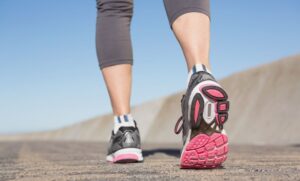
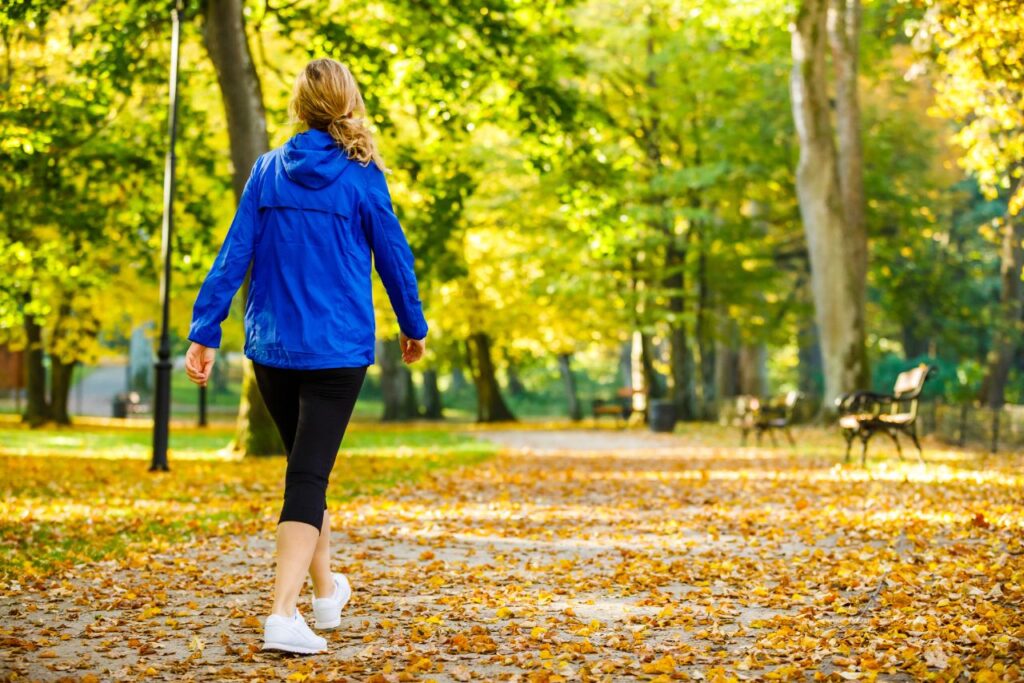
Walking is one of the most accessible and effective osteoporosis exercises for beginners over 50. Every step you take puts gentle, rhythmic load on the bones of your legs, hips, and spine. Research consistently shows that regular walking helps maintain bone density, particularly in the femoral neck area of the hip, which is one of the most common sites of osteoporosis-related fracture.
Aim for at least 30 minutes of brisk walking most days of the week. You can break it into two 15-minute segments if that feels more manageable to start. As you build confidence, try adding small variations like a slight incline or a faster pace.
Follow along with this beginner-friendly session: 20-Minute Walking Workout for Women Over 50
Marching in Place
If walking outdoors is not always practical, marching in place is a simple and surprisingly effective alternative. Lifting your knees and stepping firmly is a form of impact that signals bone-building activity in the hips and spine. Try marching to music for 10 minutes as a warm-up before your strength work.
Heel Drops (Foot Stomps)
Heel drops are one of the simplest osteoporosis exercises for beginners, and research from Oregon State University has shown that 50 jumps or impact movements three times a week can meaningfully increase bone density in the spine and hips. For beginners, heel drops are a safer starting point: stand tall, rise up slightly on your toes, and let your heels drop firmly to the floor. Repeat 10 to 20 times, holding a sturdy surface for balance if needed.
EXPLORE MORE: Osteoporosis Workout for Strong Bones: The Jump Routine Every Woman Over 50 Should Try
How Does Resistance Training Help Strengthen Bones After 50?
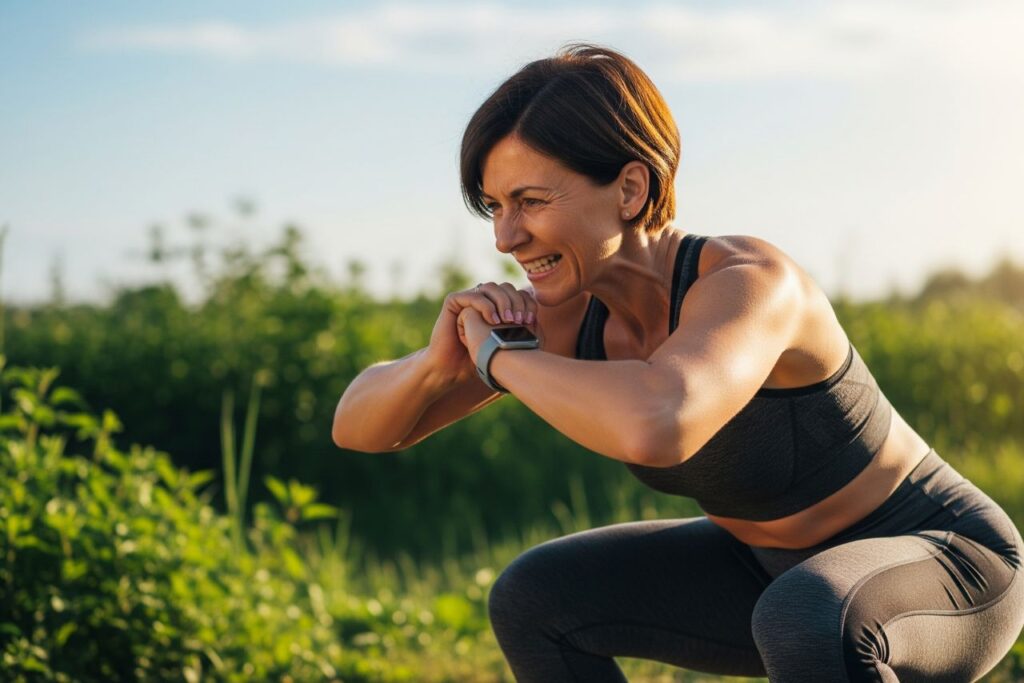
When your muscles pull against your bones during resistance exercise, the mechanical stress triggers a remodeling response. Your body reads the demand as a signal to build more bone tissue in that area. This is why exercises that target the hips, spine, and wrists, the three most fracture-prone sites in osteoporosis, are so valuable.
A network meta-analysis published in Frontiers in Physiology (2025) found that resistance training combined with aerobic exercise produced the most significant improvements in bone mineral density across multiple sites in postmenopausal women. A multimodal approach, mixing resistance, aerobic, and balance work, outperformed any single exercise type alone.
Squats
Squats are a foundational movement for bone health because they load the hips, thighs, and lower spine simultaneously. For beginners, we recommend starting with a chair squat: stand in front of a sturdy chair, lower yourself slowly as if you are about to sit down, then press through your heels to stand back up. Aim for two sets of 10 to 12 repetitions.
Keep your chest lifted and your knees tracking over your toes. Don’t rush this because you are building your bones.
Wall Push-Ups
Push-ups target the bones of the wrists and forearms, areas particularly vulnerable to osteoporosis fractures. Wall push-ups are the perfect beginner version: stand arm’s length from a wall, place your hands flat at shoulder height, and slowly lower your chest toward the wall before pressing back. Two sets of 10 are a great starting point.
Resistance Band Rows
Upper back strength is critical for posture, and good posture reduces compression on the spine. Anchor a resistance band around a doorknob or sturdy post, hold an end in each hand, and pull your elbows back as if rowing. This targets the muscles along the spine and the upper back bones. Two sets of 12 repetitions, slow and controlled.
Dumbbell Bicep Curls
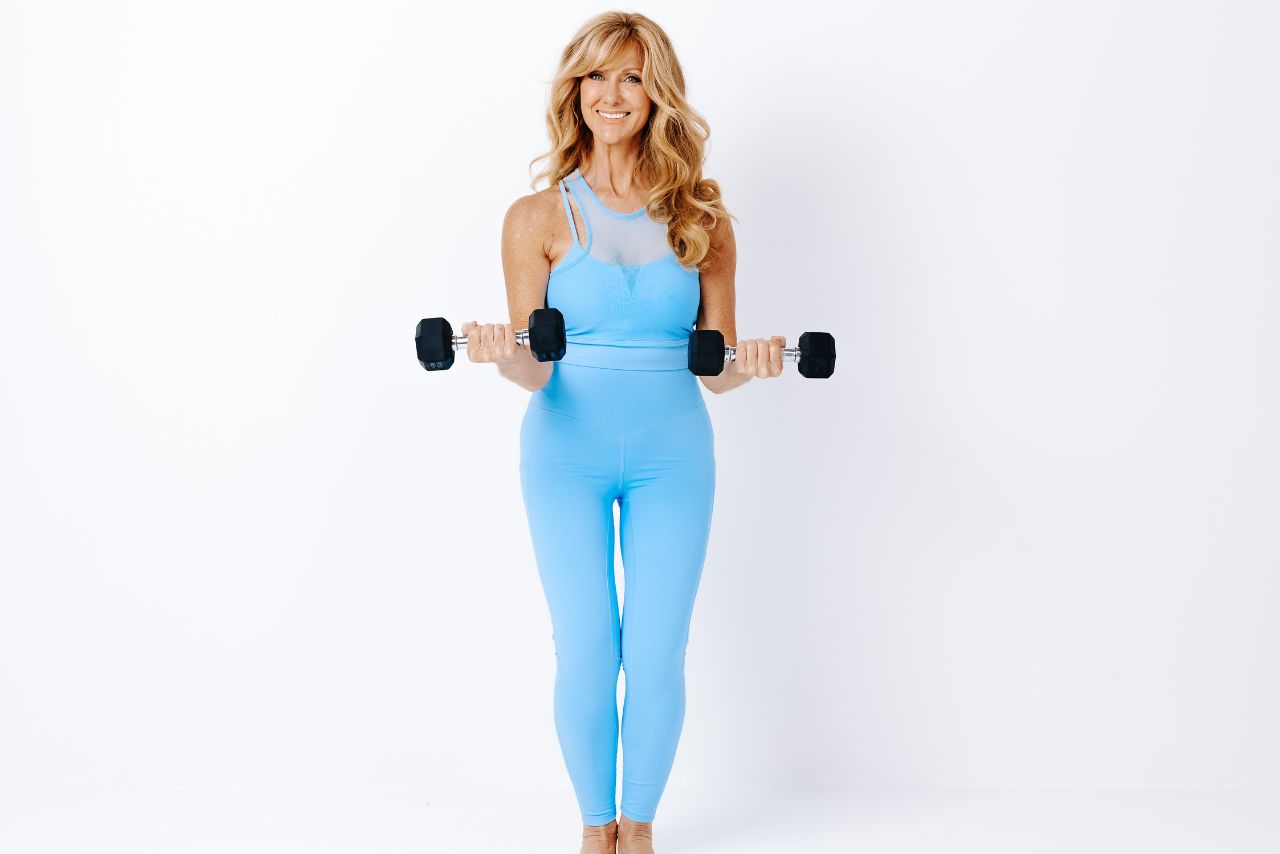
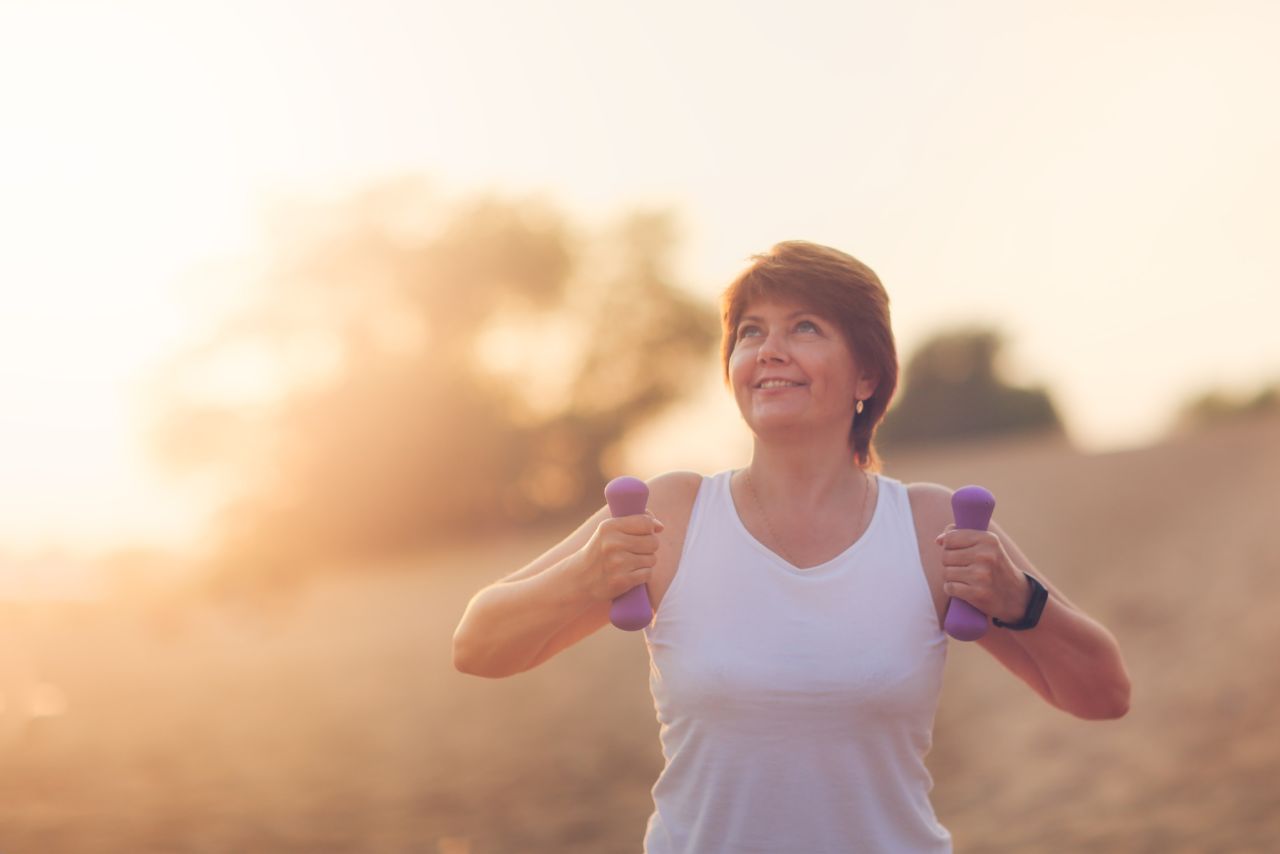
Light dumbbells, between 1 and 3 kilograms to start, are excellent for loading the arm bones. Bicep curls are simple and effective. Sit or stand tall, hold a dumbbell in each hand, and curl them up to your shoulders before lowering slowly. The eccentric phase, the slow lowering, is where much of the bone-strengthening stimulus happens.
Try this guided routine: 20-Minute Strength Training Workout for Women Over 50
READ ALSO: 10 Strength Training Rules Women Over 50 Need to Follow For the Best Results
Why Are Balance Exercises Essential in an Osteoporosis Exercise Plan?
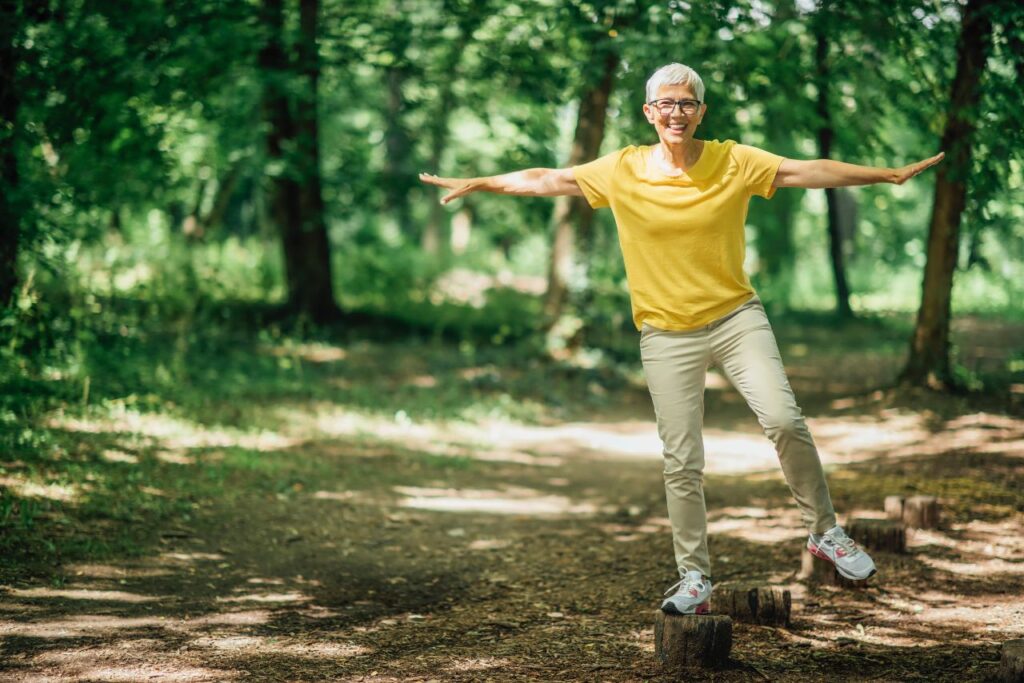
Strong bones matter, and protecting those bones from fracture matters just as much. Falls are the leading cause of fracture-related injuries in women over 50, and balance training directly addresses that risk.
When we train our balance, we improve the communication between our nervous system and our muscles so our body can react faster and catch itself before a fall happens.
Research cited in Power Training for Longevity and Fall Prevention shows that older adults who practised balance and power exercises twice weekly improved their balance scores by up to 30% and walked 20% faster within 12 weeks.
Single-Leg Stand
Stand behind a sturdy chair and hold the back lightly for support. Lift one foot off the floor and hold for 10 to 30 seconds. Lower it down and repeat on the other side. Over time, try reducing your grip on the chair, then try with fingertips only, then with hands hovering.
Heel-to-Toe Walk
This is exactly what it sounds like. Walk slowly in a straight line, placing the heel of one foot directly in front of the toes of the other, as if you are walking a tightrope. Do 10 steps, turn around gently, and come back. Practice near a wall so you have something to touch if you feel unsteady.
Standing Side Leg Lifts
Hold the back of a chair for support. Stand tall and lift one leg out to the side, keeping it straight, then lower it slowly. This strengthens the hip abductors, muscles that play a big role in balance and in protecting the hip bones. Two sets of 12 on each side.
Practice daily with this short session: 5 Minute Balance Exercises For Women Over 50
How Does Posture Factor Into Bone Health for Women Over 50?
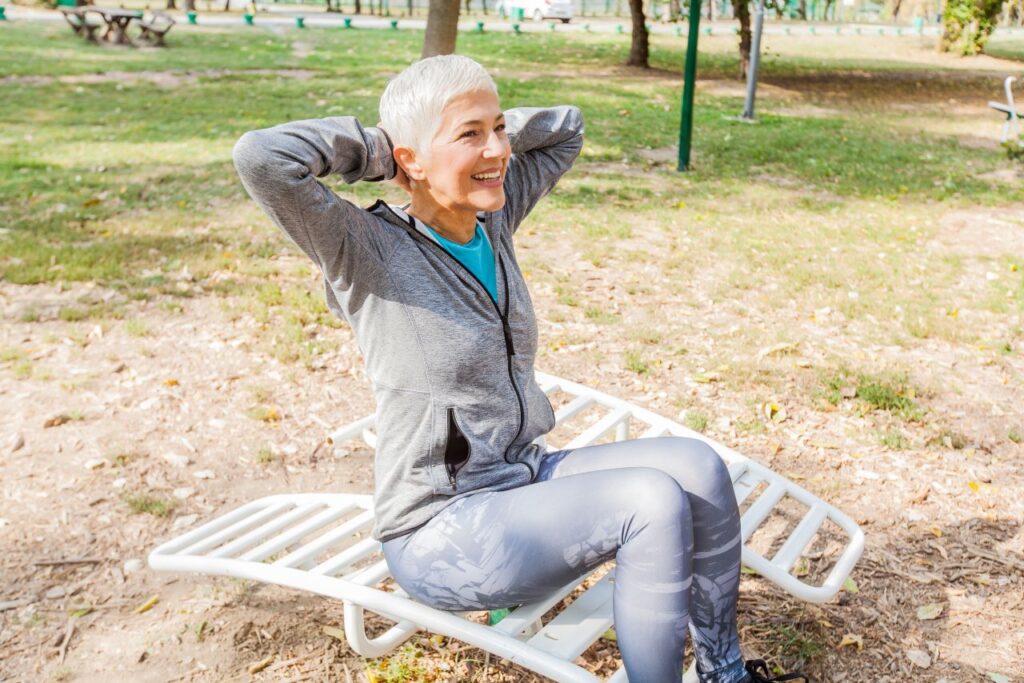
Osteoporosis in the spine can cause a forward rounding of the upper back known as kyphosis, or a “dowager’s hump”. Good posture exercises actively counteract this by strengthening the muscles that hold the spine upright. They also reduce the risk of vertebral compression fractures, which can happen simply from the weight of a poorly supported spine.
Two simple posture exercises to add to your routine:
Chest Opener Stretch
Stand or sit tall. Clasp your hands behind your back, gently squeeze your shoulder blades together, and lift your chest toward the ceiling. Hold for 15 to 20 seconds and breathe deeply. This opens the chest and activates the postural muscles along the upper back.
Bird Dog
Start on all fours with your wrists under your shoulders and knees under your hips. Extend your right arm forward and your left leg back at the same time, keeping your spine neutral and your hips level. Hold for three seconds, return to start, and swap sides. This exercise builds the deep core and back muscles that support spinal alignment. Two sets of 8 per side are a great starting point.
What Does a Beginner Osteoporosis Exercise Plan Look Like for the Week?
Here is a simple, sustainable structure to get you started. You do not need to do everything at once, and rest days are just as important as movement days.
- Monday: 20-minute walk plus 10 minutes of balance exercises
- Tuesday: Resistance training (squats, wall push-ups, resistance band rows, bicep curls)
- Wednesday: Gentle walking or rest
- Thursday: Resistance training and posture exercises
- Friday: 20 to 30-minute walking workout
- Saturday: Balance work plus a full-body stretch
- Sunday: Rest or a gentle stroll
Start with whatever days feel realistic and build from there. Two strength sessions and three weight-bearing movement sessions per week is a meaningful beginning.
READ ALSO: The Ultimate Strength Training Blueprint For Women Over 50
Are There Any Exercises to Avoid with Osteoporosis?
This is an important question, and the answer depends on the severity of your bone loss. For most beginners with osteopenia or mild osteoporosis, the exercises above are considered safe and beneficial. If you have moderate to severe osteoporosis or a history of fractures, speak to your doctor or physiotherapist before starting any new routine.
In general, the following movements are flagged as potentially risky for those with significant bone loss:
- High-impact jumping without building up gradually
- Exercises that involve significant forward flexion of the spine, such as sit-ups or toe touches, which can increase the risk of vertebral fractures
- Twisting the spine aggressively under load
- Any exercise where a fall could cause serious injury without a safety plan in place
The Mayo Clinic recommends focusing on strength training for the upper back, weight-bearing aerobic activity, flexibility, and balance as the four safest and most effective categories for people with osteoporosis. When in doubt, begin gently, prioritise form over intensity, and check in with a professional.
Explore More Osteoporosis Exercise Guides for Women Over 50
Osteoporosis can feel worrying at first, but the right kind of movement can help you feel stronger, steadier, and more confident in your body again. These guides will help you understand which exercises are safest, how to begin, and how to build a simple routine that supports bone strength, balance, posture, and fall prevention.
Start with the beginner-friendly guides, then explore strength training, low-impact movement, balance exercises, and bone-supporting routines you can add to your week.
Osteoporosis Exercise Guides
Best Osteoporosis Exercises for Beginners Over 50
A gentle starting point for women who are new to osteoporosis exercise or returning to movement after a break. This guide covers walking, resistance training, balance work, and posture exercises.
How to Start Exercising After an Osteoporosis Diagnosis
A reassuring guide for women who have recently been diagnosed and want to know what is safe, what to avoid, and how to begin without fear.
Low-Impact Osteoporosis Exercises for Women Over 50
Perfect for women who want bone-supporting exercises without jumping, jarring movement, or pressure on the joints. It includes walking, Tai Chi, chair-based strength, resistance bands, and water exercise.
Strength Training for Osteoporosis After 50: A Beginner Guide
A simple guide to starting strength training safely at home, using bodyweight, light dumbbells, or resistance bands to support bone density, muscle strength, and confidence.
Osteoporosis Workout for Strong Bones: The Jump Routine Every Woman Over 50 Should Try
A focused guide on how gentle impact and jumping-style routines may help stimulate bone strength, especially around the hips and spine. This is best for women who have medical clearance and feel confident with higher-impact movement.
Related Bone Health and Fall Prevention Guides
Bone Health and Menopause: Preventing Bone Loss After 50
A helpful background guide on why bone loss accelerates after menopause and what women over 50 can do to protect their bone health.
Why Strength Training Is Essential During Menopause and After 50
A supporting guide that explains how strength training helps protect muscle, metabolism, bone density, and long-term independence after 50.
Best Exercises to Improve Balance and Prevent Falls After 50
A broader fall-prevention guide that supports the osteoporosis cluster by helping women improve stability, confidence, and everyday movement.
Calcium Rich Foods for Women Over 50
A nutrition-focused support article for women who want to strengthen their bones from the inside out with calcium-rich foods.
Final Thoughts
Starting a bone health exercise routine after 50 is one of the most loving things we can do for ourselves. We are not trying to look like we did at 30. We are building strength, stability, and independence for the years ahead. And that feels really good.
The osteoporosis exercises for beginners over 50 in this article do not require a gym membership, expensive equipment, or hours of your day. They require consistency, patience, and a willingness to start where you are right now.
Pick two or three exercises from this list and try them this week. Add more as they start to feel familiar. Celebrate the small wins, because every squat, every heel drop, every balance hold is a conversation between you and your bones. We are building something together, one session at a time.
Ready to follow along? Head to the Fabulous50s YouTube channel for guided workouts designed specifically for women like us.
Frequently Asked Questions
Exercise cannot fully reverse osteoporosis, but it can help slow bone loss and may modestly improve bone density over time. It also strengthens your muscles, balance, and posture, which helps reduce fracture risk.
Aim for strength training two to three times a week, plus weight-bearing movement like walking most days. Even five minutes of balance exercises daily can help.
Walking is helpful, but it is usually not enough on its own. For stronger bones, combine walking with resistance training, especially for your hips, spine, arms, and upper body.
No, it is not too late. Your body can still get stronger after 50. Start slowly, use gentle exercises, and build up gradually.
Speak with your doctor first, especially if the fracture is recent. Once cleared, a physiotherapist can help you choose safe exercises.
Yes, yoga and Pilates can help with posture, balance, flexibility, and strength. Avoid deep forward bends or twisting moves if you have osteoporosis, unless your doctor or instructor says they are safe for you.
Nutrition helps your body support bone strength. Calcium, vitamin D, and protein are especially important. Exercise works best when your body has the nutrients it needs to rebuild and stay strong.
Sources
1. Holubiac et al. (2022). Effect of Strength Training Protocol on Bone Mineral Density for Postmenopausal Women with Osteopenia/Osteoporosis. https://www.ncbi.nlm.nih.gov/pmc/articles/PMC8915025/
2. Frontiers in Physiology (2025). Effects of different exercise interventions on bone mineral density in elderly postmenopausal women: a network meta-analysis. https://www.frontiersin.org/journals/physiology/articles/10.3389/fphys.2025.1633913/full
3. National Institutes of Health / NCT (2022). Resistance Exercise Training to Improve Bone and Articular Cartilage Health in Women. https://clinicaltrials.gov/study/NCT05889598
4. Mayo Clinic. Exercising with Osteoporosis: Stay Active the Safe Way. https://www.mayoclinic.org/diseases-conditions/osteoporosis/in-depth/osteoporosis/art-20044989
5. Fabulous50s. Osteoporosis Workout for Strong Bones: The Jump Routine Every Woman Over 50 Should Try. https://fabulous50s.com/osteoporosis-workout-for-strong-bones-the-jump-routine/