
For most of my life, I believed cardio was the only path to a leaner body. I spent years on the treadmill and the exercise bike, never once lifting a weight. If you wanted to look fit, you did cardio. If you wanted to burn fat, you did more cardio.
So that is exactly what I did. I went to classes, rode the exercise bike, and walked on the treadmill for years, but I never picked up a weight. My goal at the time was simple. I wanted to look good, and I thought cardio was the best way to get there.
As I have gotten older, my understanding has completely changed. I now see that cardio and strength both have a very important place, especially after 50. Cardio helps us build energy, endurance, heart health, and the ability to keep moving through life without feeling breathless. Strength training helps us maintain muscle, protect our metabolism, support our bones, and keep doing everyday tasks with confidence.
So when we ask about cardio vs strength after 50, the real answer is not which one wins. The better question is how they work together to help us lose fat, protect muscle, and stay capable for the life we want to live.
Key Takeaways: Cardio vs Strength After 50
- Cardio can help with fat loss because it increases energy use and improves heart and lung fitness.
- Strength training is essential after 50 because it helps preserve and build muscle, which supports metabolism, posture, balance, and daily function.
- For fat loss after 50, the best approach is usually a combination of cardio, strength training, good nutrition, protein, sleep, and consistency.
- Doing only cardio may help reduce weight, but it may not protect muscle as well as strength training.
- Doing only strength training is excellent for muscle and function, but cardio adds important benefits for heart health, endurance, mood, and daily energy.
Why Does Fat Loss Feel Different After 50?
Fat loss after 50 can feel different because the body is changing. Many women notice shifts around menopause, including changes in muscle mass, sleep, recovery, hormones, stress, and where the body tends to store fat. This can feel frustrating, especially if the old approach of simply doing more cardio no longer seems to work in the same way.
One of the biggest changes is muscle. As we age, we naturally begin to lose muscle unless we actively train to keep it. This matters because muscle is not only about looking toned. Muscle helps us stand tall, climb stairs, carry shopping, support our joints, balance better, and move through life with confidence.
When we lose weight without protecting muscle, some of that weight can come from lean tissue. That is not what we want. After 50, the goal is not simply to make the scale smaller. The goal is to lose fat while keeping the muscle and strength that help us live well.
This is why the conversation around cardio vs strength after 50 is so important. We need both, but they help us in different ways.
What Does Cardio Do For Fat Loss?
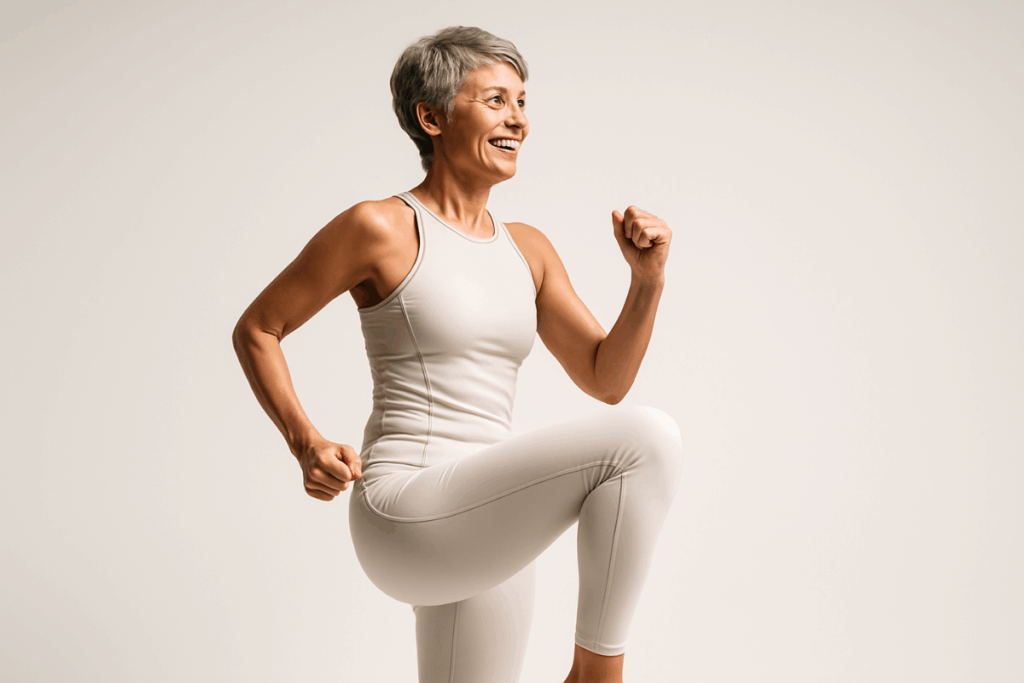
Cardio helps with fat loss because it uses energy while you move. Walking, indoor cardio, dancing, cycling, swimming, and low-impact workouts can all help increase your daily movement and support a healthy calorie balance.
But cardio is not only about burning calories. This is where my own thinking has changed the most. Cardio gives us energy. It supports the heart and improves endurance. It helps us walk for longer, climb stairs more comfortably, travel with more ease, and move through the day without feeling breathless.
In middle-aged and older adults, aerobic exercise reduced body mass more than strength work alone. So cardio for fat loss is genuinely effective, especially for our hearts. It simply works best as one half of the picture.
Cardio also supports emotional wellbeing. A short walk when you are stressed, sad, or overwhelmed can shift your mood and help you feel more settled. Sometimes five minutes of movement is enough to change the direction of your day.
This is why cardio should never feel like punishment. Cardio is participation in life. It helps keep life open, and that matters just as much as fat loss.
READ ALSO: The Benefits Of Cardio Training For Women Over 50
Want the bigger picture? Cardio is one of the five pillars of the Fabulous50s Longevity Protocol, designed to help women over 50 build heart health, energy and stamina. Explore our complete Cardio After 50 guide for practical ways to build cardiovascular fitness at your own pace.
How Strength Training helps with fat loss
Here is what I wish I had known decades ago. Strength training builds and protects the muscle we naturally lose with age. More muscle gently raises the calories we burn at rest.
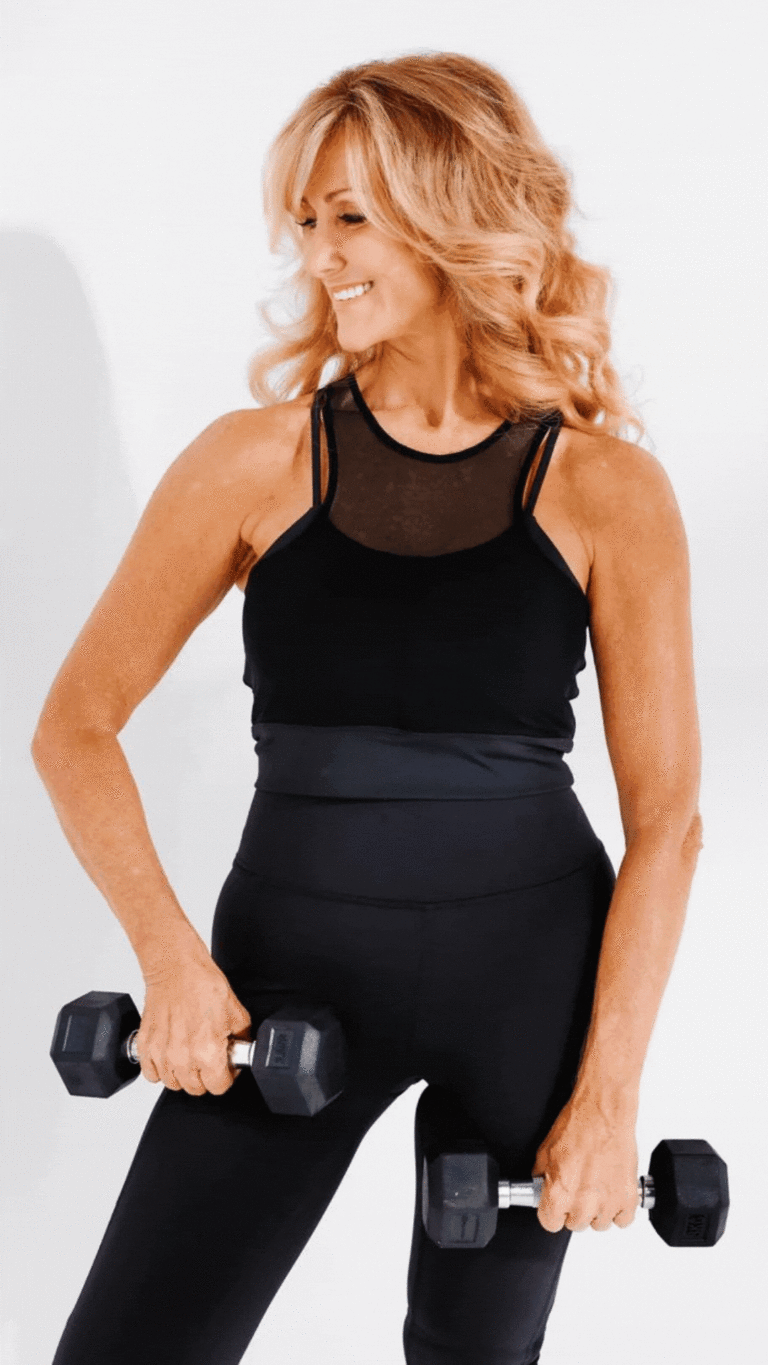
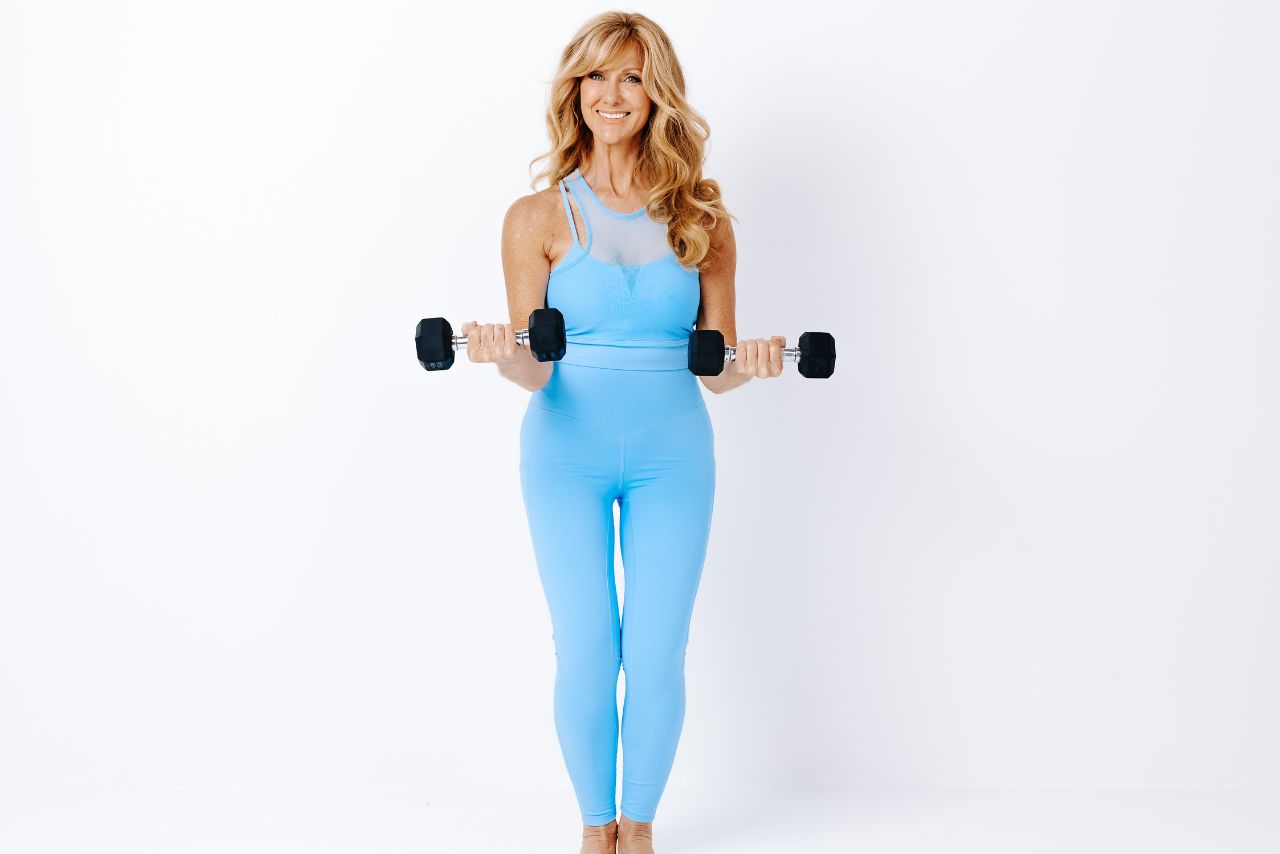
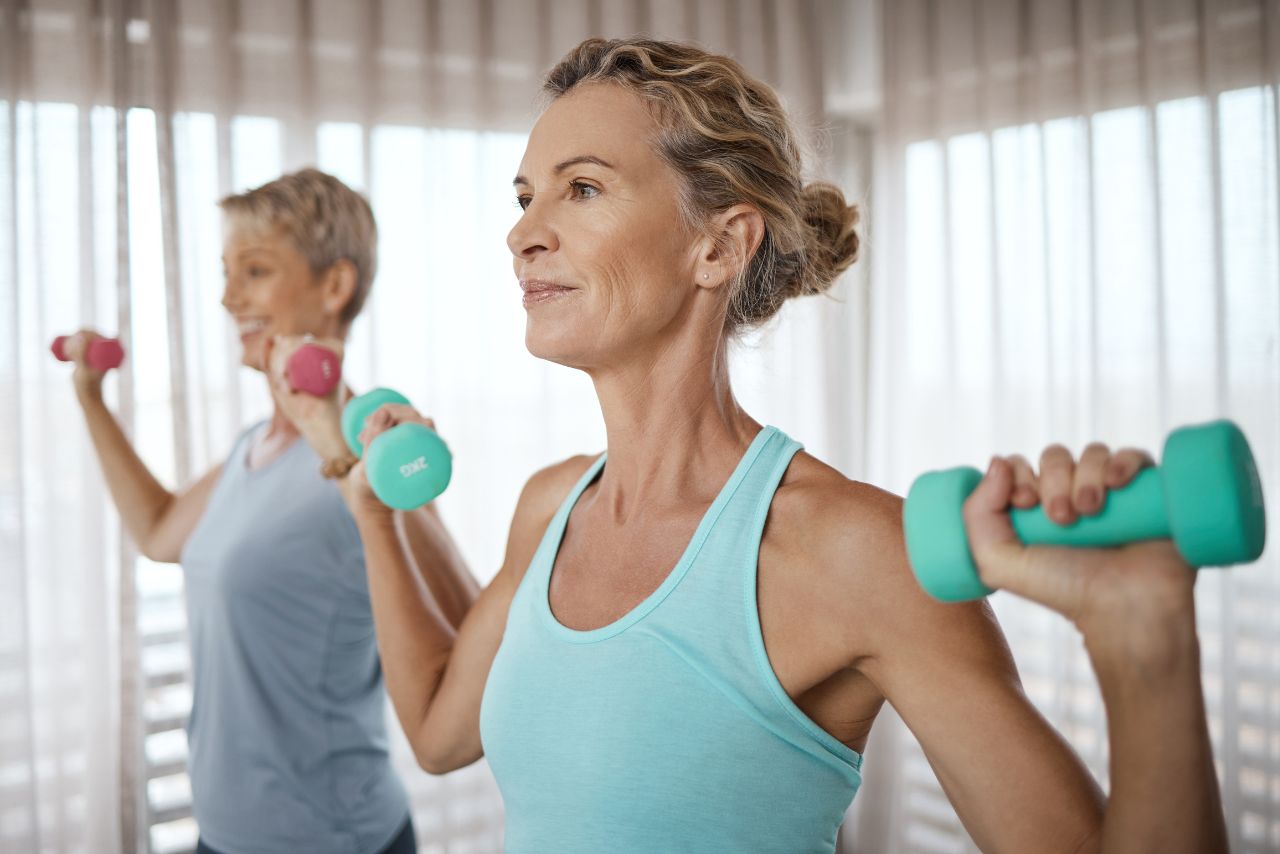
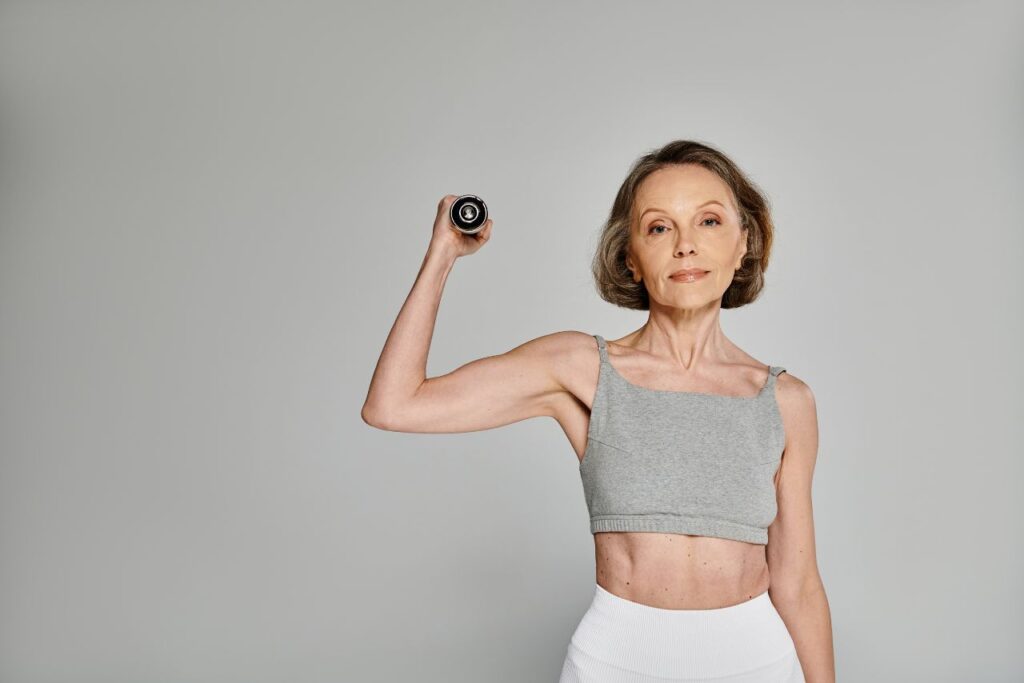
In older adults, resistance work builds muscle mass and strength. It also reshapes the body as fat reduces, a lovely recomposition. Strong muscles support our bones, balance, and blood sugar too. We do not need heavy gym weights either. Bodyweight moves, resistance bands, and light dumbbells all work.
So strength training after 50 is not about bulk. It is about a stronger, more capable, more metabolically active you. This is the quiet hero of the cardio vs strength after 50 question.
Cardio vs Strength After 50: What Helps More?
This is the question everyone asks me, so let us answer it honestly. For pure calorie burn, cardio usually wins each session. For protecting muscle and metabolism, strength training wins.
A large review found that combining both was as effective as cardio for losing fat while preserving muscle. So the true answer to cardio vs strength after 50 is not either or. The two work best as partners. Cardio cares for the heart and burns energy. Strength keeps the muscle that keeps us capable.
So instead of asking, “Should I do cardio or strength?” ask, “How can I include both in a way that feels achievable and sustainable?”
A quick side-by-side:
| At a glance | Cardio | Strength |
|---|---|---|
| Calorie burn per session | Higher | Lower |
| Builds and protects muscle | A little | A lot |
| Boosts heart and lung fitness | A lot | A little |
| Supports resting metabolism | Modestly | Strongly |
| Best role | Burn energy, heart health | Keep muscle and reshape the body |
READ ALSO: Cardio vs Strength Training: Which Burns More Fat Over 50?
How to Combine Cardio And Strength After 50
Let us make this simple and doable. A gentle weekly rhythm covers everything beautifully. The American Heart Association suggests 150 minutes of moderate cardio each week, plus strength work on two days. That might look like short walks on most days and two strength sessions.
We can even blend them, as our Fabulous50s workouts often do. A simple week might be a daily walk, two short strength sessions, and one restful day. Keep some days easy for recovery. This balanced rhythm is the heart of smart cardio vs strength after 50 planning.
READ ALSO: Exercise Over 50: Combining Dumbbell & Cardio Training
What does a balanced week look like?
A balanced week does not need to be complicated. You might do three days of low-impact cardio, two days of strength training, and gentle walking on the other days. You could also combine short cardio and strength sessions on the same day if that works better for your schedule.
For example, you might walk on Monday, do strength on Tuesday, follow a Fabulous50s cardio workout on Wednesday, do strength again on Thursday, and enjoy a longer walk or dance session on the weekend.
The important thing is that your plan feels repeatable. A perfect plan that exhausts you is not as useful as a simple plan you can keep doing. Fat loss after 50 is not about chasing intensity for a few weeks. It is about creating a rhythm your body can trust.
What if you only have 20 minutes?
If you only have 20 minutes, you can still make progress. You might do ten minutes of strength and ten minutes of cardio, or you might alternate between strength and low-impact cardio movements.
For example, you could do squats to a chair, wall push-ups, light rows, marching on the spot, step touches, and arm swings. This keeps the heart rate lifted while also asking the muscles to work.
This is very similar to how real life works. We do not separate strength and cardio when we climb stairs, carry shopping, walk through an airport, or play with grandchildren. The body works together, and our training can reflect that.
What should you avoid?
Try not to fall into the trap of doing more and more cardio while eating less and less food. This can leave you tired, hungry, and frustrated, especially if you are not strength training or eating enough protein.
Also avoid thinking that strength training only matters if you want to build visible muscle. After 50, strength is part of longevity. It supports your metabolism, your bones, your balance, your posture, and your independence.
The goal is not to punish the body into fat loss. The goal is to support the body into becoming stronger, healthier, and more energetic.

Can I Lose Fat With Exercise Alone?
This is such an honest question, and it deserves an honest answer. Movement matters enormously, yet nutrition matters too. Gentle, balanced eating with enough protein helps protect our muscles. Please hear me clearly on one thing. This is about nourishing and strengthening the body we live in.
Consistency, not perfection, is what changes things over time. So we pair joyful movement with kind, balanced meals. That gentle partnership is how lasting fat loss after 50 truly happens.
Keep Learning With These
READ ALSO: Fit Over 50: Why It Is Vital We Remain Fit and Active
READ ALSO: The 5 Ultimate Workouts Every Woman Over 50 Should Do
EXPLORE MORE: A 60-Minute Full-Body Workout for Women Over 50
EXPLORE MORE: 20-Minute Full-Body Workout: Low Impact, No Equipment
Final Thoughts
When it comes to cardio vs strength after 50, we do not need to choose one and reject the other. Cardio helps us burn energy, strengthen the heart, improve endurance, lift mood, and feel more alive in our bodies. Strength training helps us protect muscle, support metabolism, improve posture, and stay capable in everyday life.
For fat loss after 50, the magic is in the combination. Move your body with cardio. Challenge your muscles with strength. Eat in a way that supports your body. Sleep, recover, and give yourself time.
This is not about chasing youth or punishing yourself into a smaller body. It is about creating a body that helps you live fully.
Cardio is participation in life. Strength is the foundation that helps you keep participating. Together, they help you feel strong, energetic, confident, and capable.
Frequently Asked Questions
Neither wins alone. Cardio burns more calories per session, while strength protects muscle and metabolism. Combining both gives the best results.
Aim for cardio on most days, kept gentle. Add strength training on two days. Keep the remaining days easy for recovery.
Yes, absolutely. Research shows the order and timing barely affect fat loss. Do whatever fits your day and energy.
No, this is a common worry. Women build lean, toned muscle, not bulk. Strength work simply makes you stronger and more capable.
Not at all. Bodyweight moves, resistance bands, and light dumbbells work beautifully at home. You can start with no equipment.
Many women feel stronger and more energetic within a few weeks. Visible changes take a little longer. Consistency matters far more than speed.
Both work together. Balanced eating with enough protein supports your muscle and results. This is about nourishment, never restriction or shame.
Sources
1. Petre H, et al. Comparison of concurrent, resistance, or aerobic training on body fat loss: a systematic review and meta-analysis. J Int Soc Sports Nutr. 2025. https://pubmed.ncbi.nlm.nih.gov/40405489/
2. Aerobic training versus resistance training for improving cardiorespiratory fitness and body composition in middle-aged to older adults: a systematic review and meta-analysis. 2024. https://www.sciencedirect.com/science/article/abs/pii/S0167494324002061
3. Princeton Sports and Family Medicine. The science behind strength training for postmenopausal women. https://www.princetonmedicine.com/blog/the-science-behind-strength-training-for-postmenopausal-women-a-sports-medicine-perspective
4. American Heart Association. American Heart Association recommendations for physical activity in adults and kids. https://www.heart.org/en/healthy-living/fitness/fitness-basics/aha-recs-for-physical-activity-in-adults
5. Mandsager K, et al. Association of cardiorespiratory fitness with long-term mortality among adults undergoing exercise treadmill testing. JAMA Network Open. 2018. https://jamanetwork.com/journals/jamanetworkopen/fullarticle/2707428
6. Singh B, et al. Effectiveness of physical activity interventions for improving depression, anxiety and distress: an overview of systematic reviews. Br J Sports Med. 2023. https://bjsm.bmj.com/content/57/18/1203