
I’d been hearing about hyperbaric oxygen therapy for a while now. It kept coming up in longevity conversations, in the research I follow on brain health, in the stories people share about recovery and cellular repair. So when the opportunity came to try it for myself, I was really excited to try it.
I had done the reading, and the science made sense to me. The idea of increasing oxygen levels under pressure to support healing at a cellular level felt like exactly the kind of evidence-based tool I want to explore for my own health. My practitioner even shared a story about a patient with Parkinson’s disease whose tremors improved with consistent sessions. So, that sealed it for me.
What happened next, though, was something I did not expect.
Key Takeaways: Hyperbaric Oxygen Therapy
- HBOT involves breathing pure oxygen inside a pressurised chamber to support cellular repair and healing.
- Research suggests potential benefits for brain health, inflammation, and longevity.
- Claustrophobia or anxiety can make sessions challenging and that’s more common than you think.
- HBOT is not the only path to supporting healthy aging; there are effective alternatives.
- Listening to your body is just as important as the science you read about a treatment.
What Is Hyperbaric Oxygen Therapy?
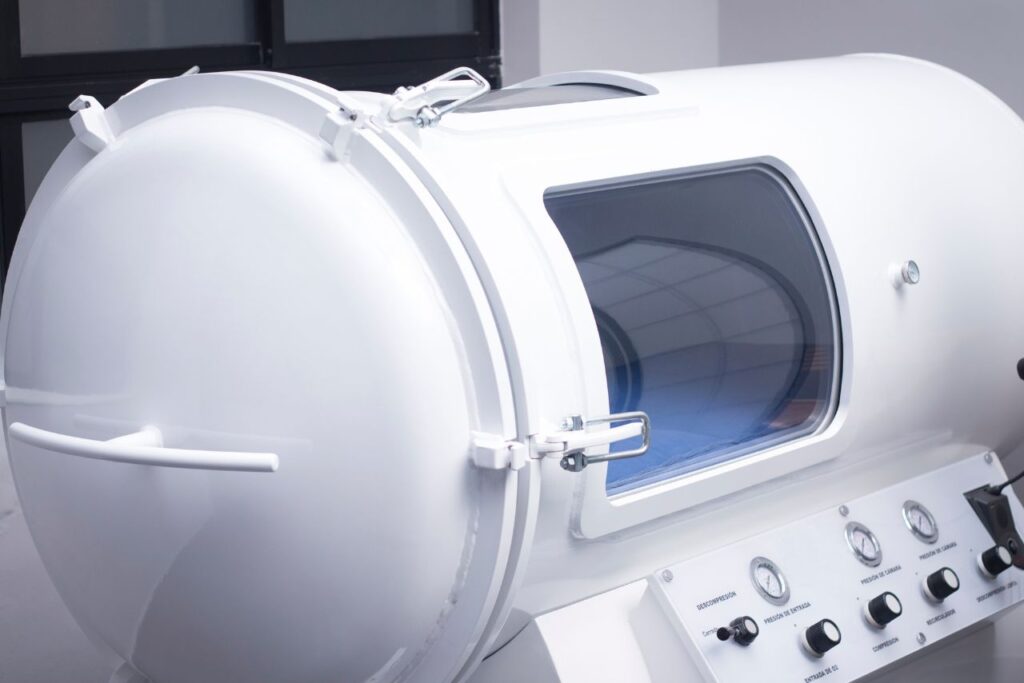
Hyperbaric oxygen therapy benefits have been studied for decades, initially in clinical settings for conditions like decompression sickness, non-healing wounds, and carbon monoxide poisoning. In more recent years, HBOT has attracted serious attention in the longevity and performance space.
The process is actually straightforward in theory: you lie inside a pressurised chamber and breathe pure oxygen at levels higher than normal atmospheric pressure. Under those conditions, your lungs absorb significantly more oxygen than they would at sea level. That oxygen-rich blood then travels throughout your body, reaching tissues and cells that may be oxygen-deprived.
Researchers have been studying HBOT for women over 50 and older adults specifically, with some promising findings in the areas of cognitive function, telomere length, and inflammation reduction. A 2020 study published in Aging found that repeated HBOT sessions were associated with significant increases in telomere length and reductions in senescent (aging) cells in healthy older adults. That is not a small thing when we are talking about the biology of aging.
The Benefits That Caught My Attention
Here is what the current research points to for hyperbaric oxygen therapy benefits, particularly for midlife and older women:
Brain health and cognitive function.
Oxygen is critical for neurological function. HBOT has shown promise in studies related to post-COVID brain fog, age-related cognitive decline, and traumatic brain injury recovery. For women navigating perimenopause and menopause, brain fog is a genuine and often under-discussed symptom, and anything that addresses it at a cellular level is worth understanding.
Cellular repair and inflammation.
Increased oxygen under pressure appears to support mitochondrial function and reduce systemic inflammation. Chronic inflammation is a driver of virtually every major disease associated with aging, so addressing it at a cellular level deserves a closer look.
Recovery and tissue healing.
HBOT has a long clinical history in wound healing and surgical recovery. For active women over 50 dealing with slower recovery times or musculoskeletal issues, this aspect of the therapy is particularly relevant.
Telomere support.
The 2020 Aging study mentioned earlier found meaningful increases in telomere length after a structured course of HBOT sessions. Telomere length is considered one of the key biological markers of cellular aging.
READ ALSO: 6 Science-Backed Secrets to Healthy Aging and Longevity
What Actually Happened When I Got Inside
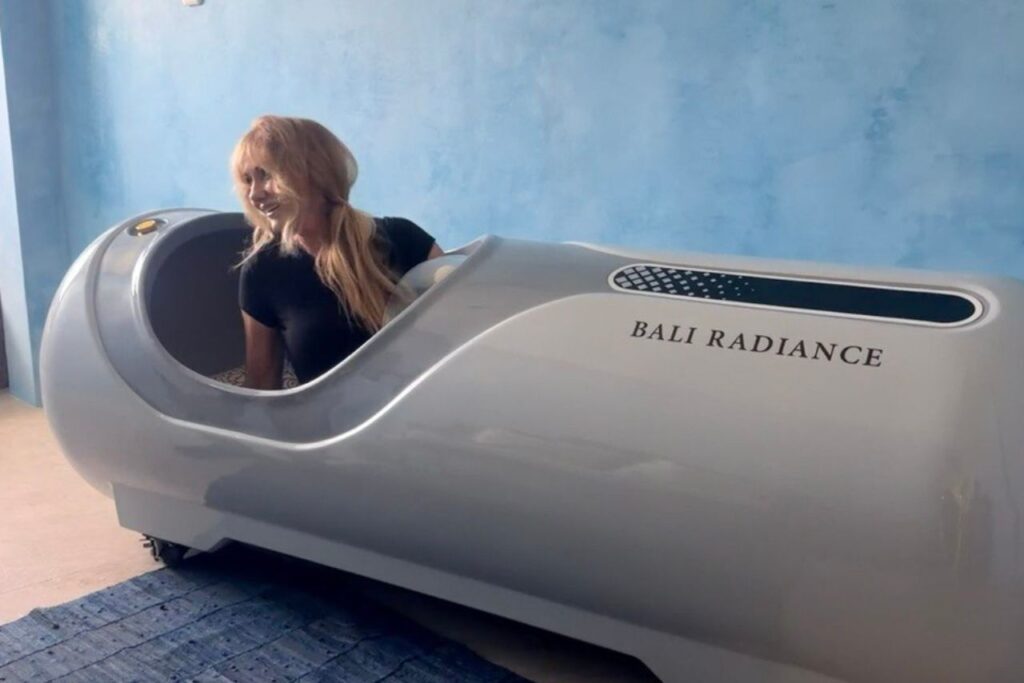
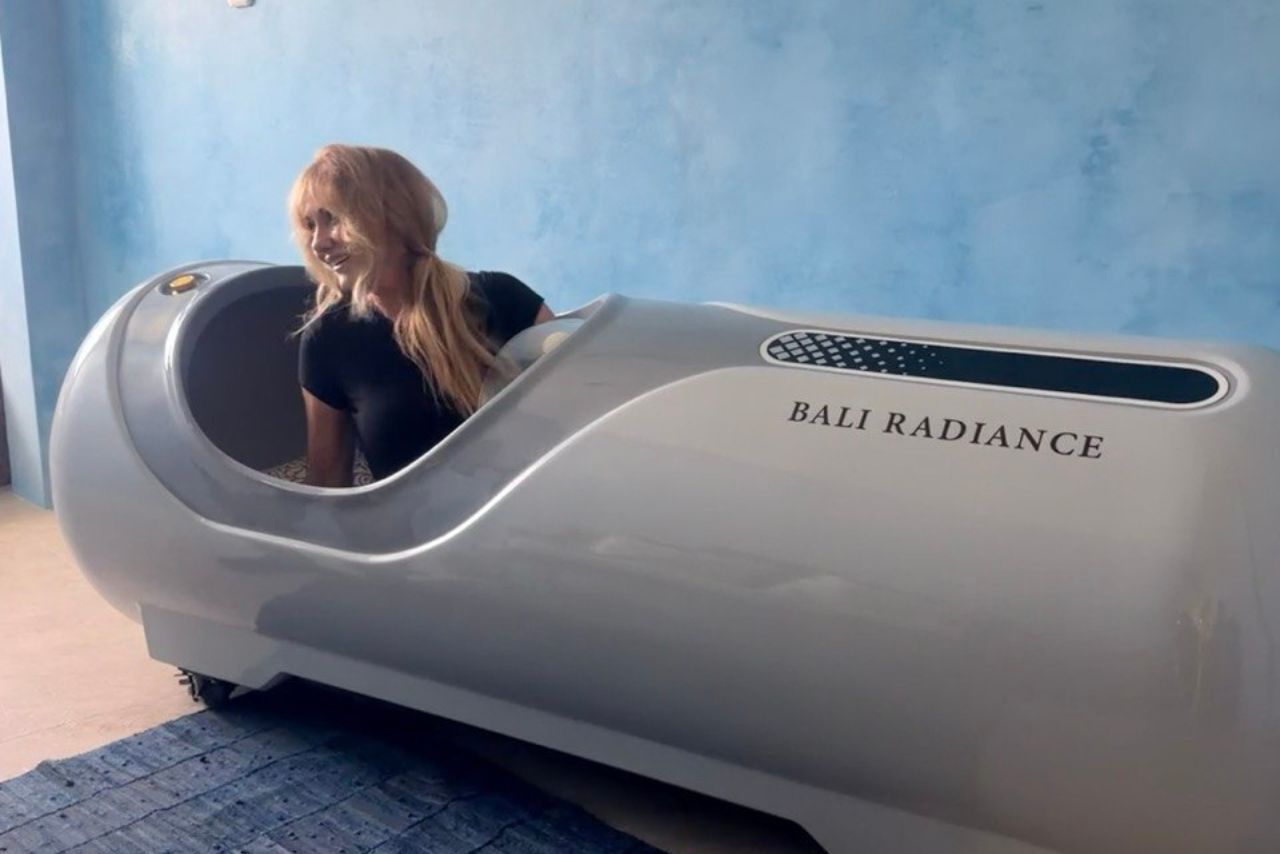
I stepped into the chamber feeling prepared, and the practitioner was right there with me. So, I knew I was completely safe.
Then the lid closed.
My body had a completely different response to what my mind expected. The moment I registered that decompression would take a minute or two before I could exit, something shifted in me. A wave of panic rose up that I could not reason my way out of. So, I had to stop the session.
I felt defeated walking out, and I also felt embarrassed, which is something I should look into more. We spend so much time encouraging each other to try new things, to lean into research, and to optimise our health. That conversation doesn’t leave much room for “I tried it and my nervous system said no.”
But I went back the following week.
The second session lasted ten minutes. My heart raced for most of it. I kept talking myself through every breath, trying to stay calm, trying to trust the process. The underlying anxiety never fully quieted.
That is when I made a decision I am genuinely proud of, which is not to push through it.
When Pushing Through Is Not the Answer
We talk a lot about getting comfortable with discomfort. Growth does require stepping outside what feels familiar. There is real science behind that idea.
There is also real value in learning to distinguish between discomfort that leads somewhere useful and distress that your body is signalling for a reason.
For me, the panic I felt in that chamber was not a weakness to overcome. It was information. Something in my nervous system was responding to an experience of confinement in a way that bypassed logic entirely. Forcing myself through that repeatedly, without understanding what was driving it, would not have been brave. It would have been ignoring one of the most important tools I have available: my own body’s signals.
I do not yet know where that response came from. What I do know is that I faced it, I listened to it, and I gave myself permission to honour it. But what I know is, that is not giving up, it’s self-knowledge in action.
READ ALSO: How Women Over 50 Are Redefining Longevity and Successful Aging
HBOT for Women Over 50: Is It Right for You?
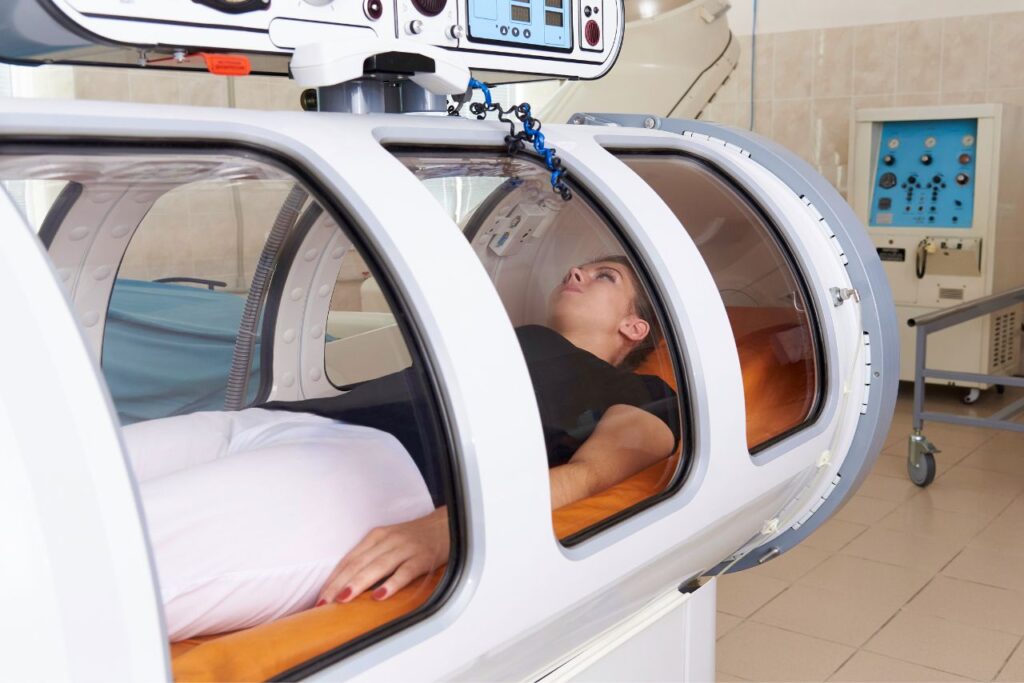
If you are curious about trying HBOT, here is what is worth knowing before you book a session.
Who tends to do well with HBOT:
Women who tend to do well with HBOT are usually comfortable in enclosed spaces. They are often recovering from an injury or surgery. Some are also managing certain health conditions that have been studied with HBOT. They are usually willing to attend multiple sessions, because most research shows the benefits build over time and not after just one visit.
What to watch for:
Mild ear discomfort from pressure changes is common. Claustrophobia or anxiety responses are more prevalent than typically discussed, particularly in softshell chambers. Always work with a qualified practitioner who will take a thorough health history beforehand.
What the research does not yet fully answer:
The optimal number of sessions, the ideal pressure levels for different outcomes, and the long-term effects of repeated HBOT in otherwise healthy people are still active areas of study. Be appropriately sceptical of clinics that promise dramatic results from a single session.
Other Ways to Support Longevity If HBOT Is Not for You
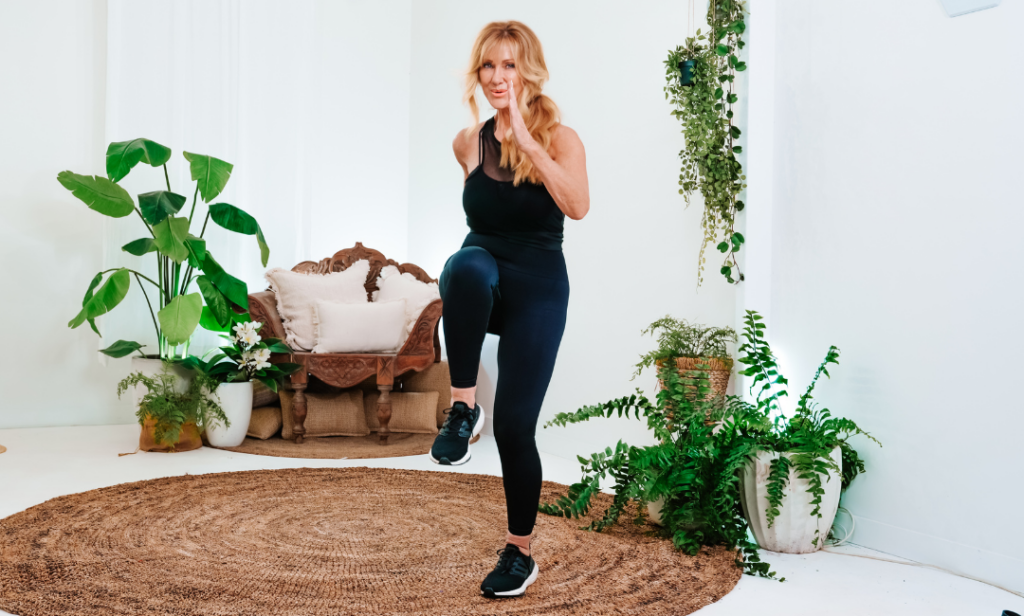
HBOT is one tool in a large toolkit. If it does not feel right for you right now, or if claustrophobia makes it genuinely difficult, these are areas with strong evidence behind them for brain health, cellular repair, and longevity in women over 50.
Strength training remains the most evidence-backed intervention for healthy aging, including cognitive function and metabolic health. Research consistently shows it supports everything from bone density and insulin sensitivity to mood and sleep quality.
Walking is another powerful option that is easy to underestimate, it increases blood flow to the brain, promotes the growth of new brain cells, and has been linked directly to reduced cognitive decline in older adults.
Quality sleep has a direct effect on inflammation and cellular aging. If you are not prioritising it, that is worth addressing before looking at advanced therapies.
Targeted nutrition, particularly adequate protein alongside colourful whole foods, gives your cells the raw materials they need to repair and function well.
And stress reduction, in whatever form genuinely works for you, has a measurable impact on both inflammation markers and how your brain ages over time.
None of these require getting into a pressurised chamber.
READ ALSO: Surprising Breathwork Tips for Wrinkle Reduction, Restful Sleep, and Longevity
FAQs About Hyperbaric Oxygen Therapy
Most longevity-focused protocols in the research involve 40 or more sessions. A single session is unlikely to produce measurable changes, though some people report subjective improvements in energy and clarity after just a few.
HBOT has a long safety record in clinical settings. Wellness-focused HBOT at lower pressure levels (typically in softshell chambers) is generally considered safe for healthy adults, though you should always consult a qualified practitioner and disclose any existing health conditions beforehand.
There is emerging interest in this area, but it is not yet well-studied specifically for menopause. The broader research on HBOT for inflammation, brain health, and cellular repair is relevant to midlife women. For practical, evidence-based approaches to menopause brain fog specifically, there are lifestyle strategies with a stronger evidence base to start with.
Hardshell chambers operate at higher pressure levels and are typically found in clinical or hospital settings. Softshell chambers, more common in wellness clinics, operate at lower pressures. The research with the strongest longevity results (including the telomere study) used higher-pressure hardshell chambers.
Tell the practitioner immediately. Reputable providers will stop the session without question. Your comfort and safety come before completing a session. If you experience anxiety in enclosed spaces, discuss this openly with the clinic before you go in so they can support you properly.
Have you tried HBOT? Or do you have a go-to practice that genuinely supports your energy, brain health, or recovery? Share it in the comments. This is a conversation worth having together.