When I first started exercising, I thought cardio was something I had to push through if I wanted to look fit. I grew up in the 80s, 90s, and early 2000s, when cardio was presented as the answer to everything. If you wanted to lose weight, you did cardio. If you wanted to be fit, you did cardio. When you wanted to look good, you did cardio.
For years, I went to classes, rode the exercise bike, and walked on the treadmill without thinking much about my heart, my energy, or how I wanted to feel as I got older. My goal was simple. I wanted to be slim, and I thought the more exhausted I felt, the better the workout must have been.
These days, my relationship with cardio has completely changed. I now think about whether I can walk for hours while travelling, climb stairs comfortably, carry my shopping, and move through the day without feeling breathless. I notice whether my body feels energetic, capable, and ready to participate in life.
That is what cardio fitness after 50 is really about. Cardio is participation in life, and the signs your cardio fitness is improving often show up in small, beautiful ways before you ever notice them in a workout.
Key Takeaways: Signs Your Cardio Fitness Is Improving
- Your cardio fitness is improving when everyday movement begins to feel easier and you feel less breathless doing normal tasks.
- Walking, stairs, housework, shopping, travelling, and longer days on your feet can all reveal better endurance.
- A quicker recovery after movement, a lower resting heart rate over time, and a stronger walking pace can be encouraging signs of progress.
- Cardio also supports mental and emotional wellbeing, so a brighter mood after movement is a real sign that your body is responding.
- Fitness can decline quickly after illness, travel, or inactivity, but the wonderful news is that it can improve again with consistent movement.
- Five minutes still counts, especially when it helps you build the habit of moving your body regularly.
Why Does Cardio Fitness Matter After 50?
Cardio fitness is the ability of your heart, lungs, blood vessels, and muscles to work together while you move. That can sound a little technical, but in real life it simply means having the energy and endurance to do the things you love without feeling constantly limited by tiredness or breathlessness.
After 50, this becomes more important because our daily lives ask more of us than we realise. We need fitness to walk through airports, climb stairs, keep up with family, carry groceries, enjoy holidays, and stay independent. The goal is not to become an athlete. The goal is to keep life open.
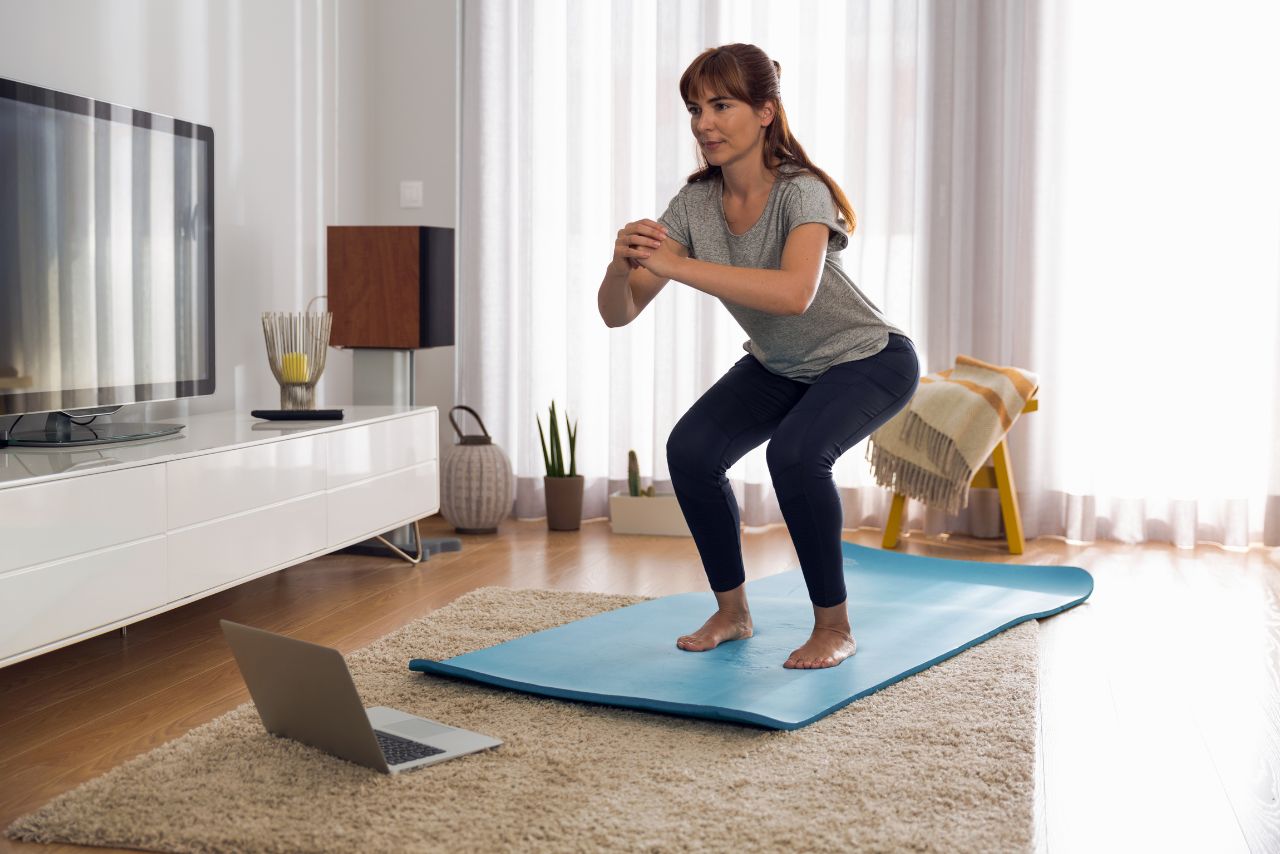
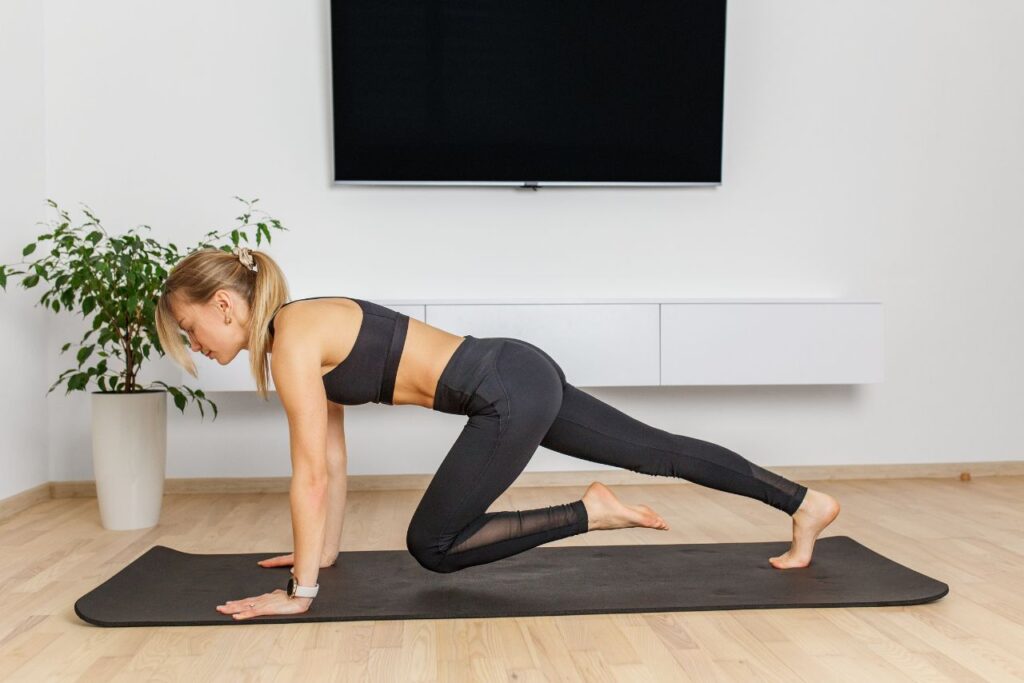
Research shows that higher cardiorespiratory fitness is strongly linked with better long-term health and lower mortality risk. The American Heart Association also recommends at least 150 minutes of moderate-intensity aerobic activity each week, preferably spread across the week. That number can feel overwhelming at first, but we do not need to do it all at once. A short walk, a 10-minute indoor cardio session, a gentle dance, or five minutes of arm swinging all help us build the habit of movement.
The body is incredibly adaptable. Fitness can fade surprisingly quickly when we are sick, travelling, resting more, or sitting for long hours, but it can also return surprisingly quickly once we begin moving again.
READ ALSO: Best Low-Impact Cardio Workouts for Women Over 50
Want the bigger picture? Cardio is one of the five pillars of the Fabulous50s Longevity Protocol, designed to help women over 50 build heart health, energy and stamina. Explore our complete Cardio After 50 guide for practical ways to build cardiovascular fitness at your own pace.
How Do You Know Your Cardio Fitness is Improving?
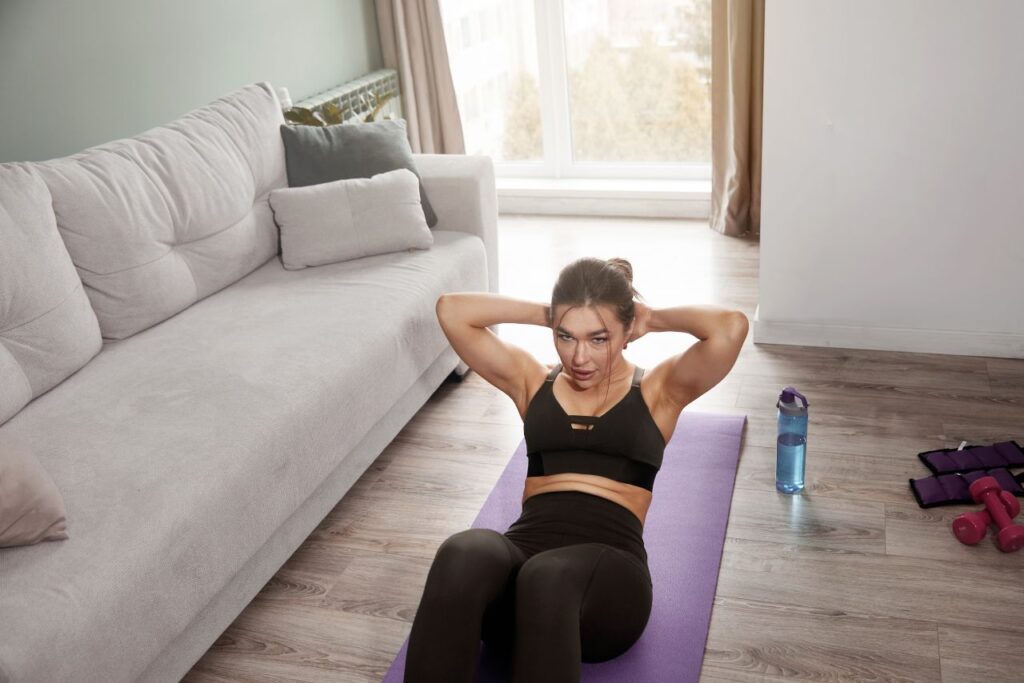
Many women expect progress to look dramatic, but the most meaningful signs your cardio fitness is improving are often found in ordinary life. You may not notice it first in a stopwatch or fitness tracker.
You may notice it when you reach the top of the stairs and realise you are not as breathless or when you finish a walk and still have energy for the rest of your day.
Here are encouraging signs to look for.
1. You feel less breathless during everyday tasks
One of the first signs your cardio fitness is improving is that everyday movement feels easier. You may notice that you can climb the stairs without stopping halfway, walk up a small hill with more control, or carry your shopping inside without feeling completely puffed out.
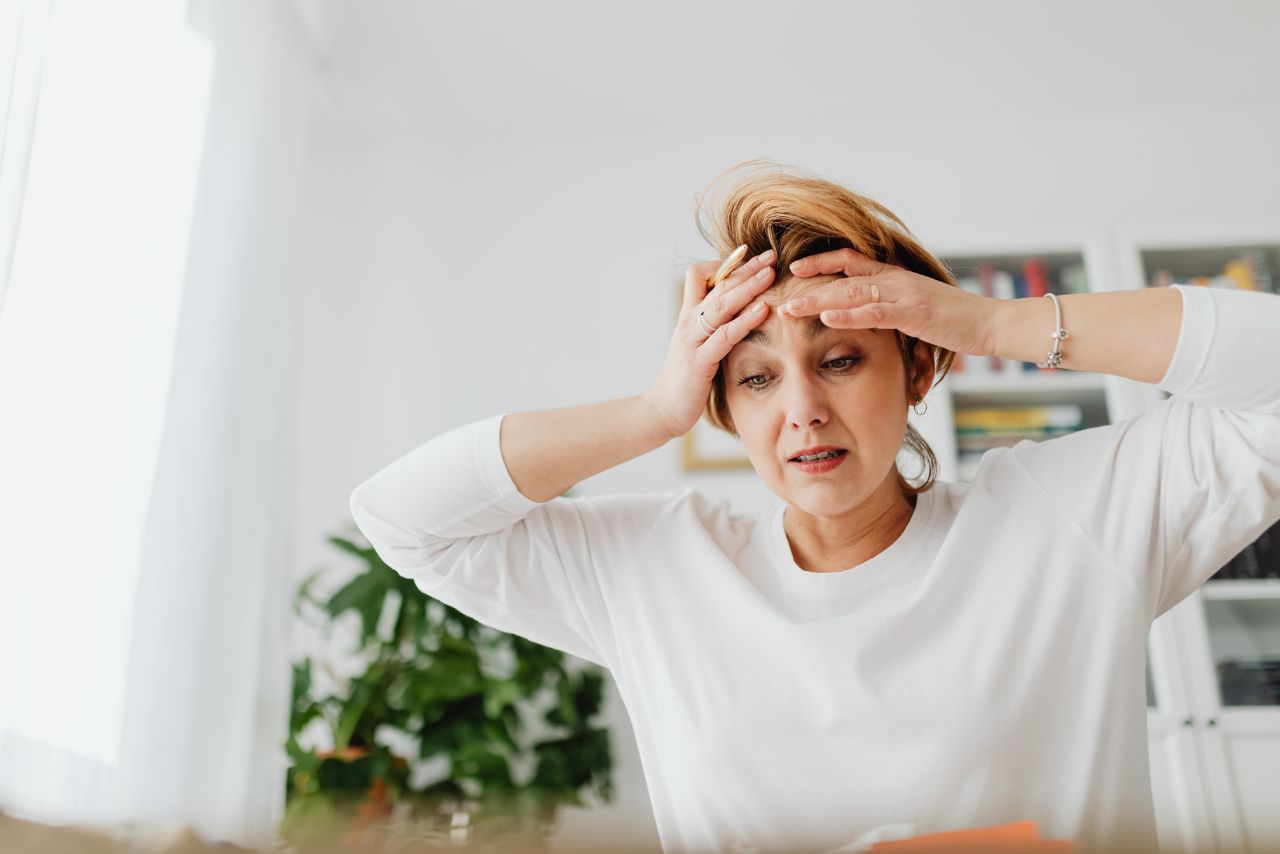
This matters because breathlessness is often one of the first things we notice when our fitness has slipped. I have felt this myself after being sick, travelling, or going through a busy season where exercise has fallen away. I start walking again and quickly realise that my breathing feels heavier and everything takes a little more effort.
The encouraging part is that this can improve. When you return to regular movement, your heart and lungs begin to adapt again. The same activity that once felt difficult may gradually begin to feel manageable, and that is a beautiful sign that your body is becoming more efficient.
2. Your usual walk starts to feel easier
Walking is one of the most underrated forms of exercise we have, especially for women over 50. It is simple, accessible, gentle on the joints, and easy to repeat, which makes it one of the best foundations for improving endurance.
You may notice that your usual route feels easier than it did a few weeks ago. Perhaps you are not as tired afterwards, or you naturally begin to walk a little faster without forcing it. You may even find yourself looking forward to your walk because your body feels more awake and capable when you return.
I have learned not to underestimate walking. There have been times when I continued doing cardio workouts but neglected my daily walking because I was busy. Every time, I noticed a difference. Walking keeps us connected to our fitness because it reminds the body to keep moving through real life, not just during a workout.
READ ALSO: Indoor Walking vs Outdoor Walking: Which Is Better After 50?
3. You recover more quickly after movement
Another encouraging sign is that your breathing and heart rate settle more quickly after exercise. You may finish a short cardio workout, a brisk walk, or a few minutes of faster movement and notice that you feel comfortable again sooner than you used to.
This is important because recovery tells us a lot about how well the body is adapting. A fitter heart does not only work during exercise. It also becomes better at returning the body to a calmer state afterwards.
You do not need to obsess over numbers to notice this. Simply pay attention to how you feel after movement. If you used to need a long rest after a walk but now feel ready to continue with your day, that is progress. It means your body is learning to handle effort and recover from it more efficiently.
4. Your resting heart rate may become lower over time
For some women, a lower resting heart rate can be one of the signs your cardio fitness is improving. Your resting heart rate is how many times your heart beats per minute when you are relaxed, and as cardio fitness improves, the heart can become more efficient.
This does not mean everyone should aim for the same number. Resting heart rate can be affected by medication, stress, sleep, hydration, hormones, and health conditions, so it is important not to compare yourself with anyone else. The most useful thing is to notice your own pattern over time.
If your resting heart rate gradually becomes a little lower while your energy, breathing, and endurance also improve, it may be a sign that your heart is working more efficiently.
READ ALSO: How Much Walking Do You Need for Heart Health After 50?
5. You have more energy after your workout, not less
Cardio should not leave you feeling punished. A good workout may challenge you, but over time, the right kind of cardio should help you feel more energetic and capable in your day.
One sign of improved endurance is that you can move your body and still have energy afterwards. You might complete a short walking workout and then feel ready to make lunch, tidy the kitchen, go to an appointment, or continue with your normal routine. Instead of feeling wiped out, you feel gently lifted.
This is one of the biggest mindset shifts I want women to experience. Cardio after 50 is about building a body that supports your life. The best cardio workouts for women over 50 should help you feel stronger, brighter, and more able to participate fully in your day.
6. Your mood improves when you move
Cardio fitness is not only physical. Movement also has a powerful effect on mental and emotional wellbeing, and one of the most beautiful signs of progress is realising that movement helps you feel better inside.
A walk when you are sad, stressed, anxious, or overwhelmed can completely shift the direction of your day. A short cardio session, a gentle dance in the living room, or even five minutes of arm swinging can help you feel more present and settled.
Research supports this connection between physical activity and mood, but many of us know it from lived experience. When you move, your breathing changes, your focus changes, and your nervous system has a chance to reset. You may begin to trust movement as something you can turn to, not because you have to punish your body, but because it helps you care for yourself.
7. Your stride feels stronger and more confident
One thing I have become fascinated by as I have gotten older is the way people walk. When I was younger, I never thought about stride length, posture, arm swing, or walking speed. Youth gives us so much movement capacity that we often take it for granted.
Now I find myself sitting at a café or an airport and noticing how people move. Some people walk with purpose and ease. Their posture is tall, their shoulders are open, and their steps look long and confident. Others take shorter, slower steps, with less arm movement and more caution in the body.
This is simply a reminder that the way we move tells a story. Our walking can reflect our strength, mobility, fitness, confidence, and the amount of movement we do in everyday life.
A stronger stride may be one of the signs your cardio fitness is improving. You may notice that you stand taller, swing your arms more naturally, take slightly longer steps, or move with more energy and confidence. These changes may be subtle, but they matter because confident movement helps us keep participating in life.
READ ALSO: How to Build Stamina After 50 Without Exhausting Yourself

8. You can handle small bursts of effort better
A sprint looks different for everyone. For one person, it might mean jogging for 30 seconds. For another, it might simply mean walking as fast as they comfortably can. And for someone else, it might mean marching on the spot with strong arms during a Fabulous50s workout.
As your cardio fitness improves, you may notice that short bursts of effort feel more manageable. A hill may feel less intimidating, a faster walking interval may feel possible, or a standing cardio workout may feel smoother than it did when you first started.
This is why variety matters. We are not simply walking in a straight line for an hour. In Fabulous50s cardio, we change pace, move our arms, challenge our feet, switch direction, and coordinate the hands, core, shoulders, and legs. This helps train the body and brain together so we stay adaptable, coordinated, and capable.
9. Daily life feels less tiring
Improved cardio fitness after 50 often shows up in the ordinary tasks we do every day. Housework may feel less draining. Shopping may feel easier. You may be able to stand for longer, walk further, or get through a busy day without feeling completely depleted.
This kind of progress is easy to overlook because it does not always feel like exercise. But this is exactly why cardio matters. It gives us more capacity for life.
If you notice that you are less tired after errands, less breathless after stairs, or more willing to say yes to a walk, your body is giving you feedback. It is telling you that the movement you are doing is making a difference.
10. You feel more capable and hopeful in your body
Perhaps the most meaningful sign of all is that you begin to trust your body again. You feel more willing to move, more confident in your ability, and more hopeful about what is possible for you.
This confidence matters because it creates a beautiful cycle. When you feel capable, you move more. When you move more, your energy improves. Even when your energy improves, you begin to stand taller, walk with more purpose, and participate more fully in life.
Cardio is about keeping life open. It is about being able to say yes to travel, yes to grandchildren, yes to long walks, yes to adventures, and yes to living fully.
That, to me, is one of the most beautiful signs your cardio fitness is improving.
How Quickly Can Cardio Fitness Improve?
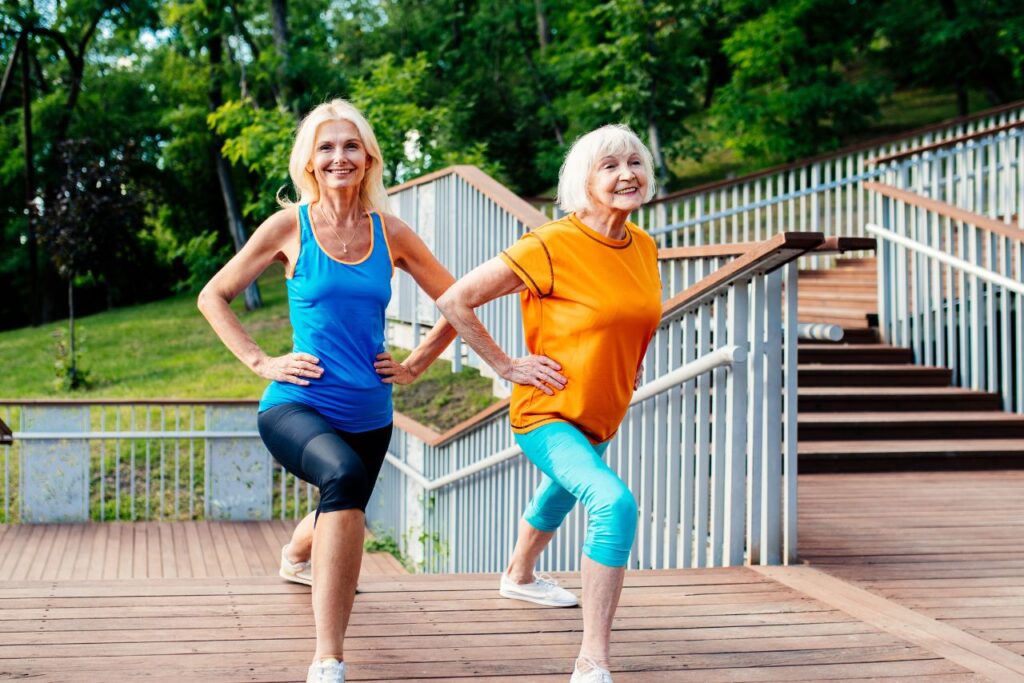
Many women worry that they have left it too late, especially if they have not exercised for a while. Please hear this gently. It is never too late to begin.
Fitness can decline quickly after illness, travel, stress, or a long period of sitting, but the body also responds beautifully when we return to movement. You may notice small changes within a few weeks, such as easier breathing, better energy, and quicker recovery. Bigger changes take consistency, but we do not need perfection to make progress.
Start with what feels possible. Walk for five or ten minutes. Do a gentle indoor walking workout. Put on one song and move your arms. Try a short Fabulous50s cardio session when you want guidance. Then notice how your body feels afterwards, because the noticing is part of the process.
READ ALSO: Best Low-Impact Cardio Workouts for Women Over 50
How Can You Keep Improving Without Overdoing It?
The best way to improve is to choose movement you can repeat. Walking, dancing, cycling, swimming, low-impact cardio, and standing cardio workouts can all support heart health after 50, especially when they are done consistently.
You can also add gentle variety by changing your pace, using your arms, stepping in different directions, or adding short intervals. This keeps your body engaged without making exercise feel intimidating.
The goal is to build energy, endurance, confidence, and capability. Some days you may feel ready for a longer workout, and other days five minutes may be enough. Both count, because every walk, every workout, and every opportunity to move is a message to your body that you are still participating in life.
Final Thoughts
The signs your cardio fitness is improving are not always dramatic, but they are deeply meaningful. You may breathe more easily, recover more quickly, walk with more confidence, feel brighter after movement, or notice that daily life simply feels less tiring.
These are not small things. They are signs that your heart, lungs, muscles, and nervous system are responding to the care you are giving them.
So start where you are and celebrate every little win. Five minutes still counts. A short walk still counts. A gentle dance in the kitchen still counts.
Your body is adaptable, your fitness can improve, and you are still capable of moving through life with strength, confidence, and purpose.
Frequently Asked Questions
The first signs are often easier breathing, quicker recovery, more energy, and daily tasks feeling less tiring. You may also notice that your usual walk feels more comfortable or that you can climb stairs with less breathlessness.
Many women notice small improvements within a few weeks of consistent movement. Bigger changes take longer, but gentle progress can begin quite quickly when you walk more, move regularly, and build from where you are.
Walking is a wonderful way to improve cardio fitness, especially when done regularly. To keep progressing, you can add gentle hills, faster intervals, longer walks, or indoor walking workouts that include arm movements and direction changes.
Yes, five minutes can help, especially when it builds consistency. A short walk, a few minutes of dancing, or a gentle standing cardio session can lift your mood, wake up your body, and help you create the habit of regular movement.
The best cardio workout is one you enjoy enough to repeat. Walking, dancing, swimming, cycling, and low-impact standing cardio are all excellent options. The goal is to choose movement that feels accessible, enjoyable, and supportive.
Cardio fitness can decline when we are inactive, unwell, travelling, stressed, or sitting more than usual. The encouraging news is that it can also improve again when we return to regular movement.
A simple guide is the talk test. During moderate cardio, you should be able to talk but not sing. You should feel gently challenged, but not overwhelmed or unsafe.
Sources
- American Heart Association. Recommendations for Physical Activity in Adults.
- Mandsager K, et al. Association of Cardiorespiratory Fitness With Long-Term Mortality Among Adults Undergoing Exercise Treadmill Testing. JAMA Network Open. 2018.
- Cole CR, et al. Heart-Rate Recovery Immediately After Exercise as a Predictor of Mortality. New England Journal of Medicine. 1999.
- Studenski S, et al. Gait Speed and Survival in Older Adults. JAMA. 2011.
- Reimers AK, et al. Effects of Exercise on the Resting Heart Rate: A Systematic Review and Meta-Analysis. Journal of Clinical Medicine. 2018.
- Singh B, et al. Effectiveness of Physical Activity Interventions for Improving Depression, Anxiety and Distress. British Journal of Sports Medicine. 2023.
- CDC. Adult Activity: An Overview.