
Have you ever felt out of breath halfway up the stairs and wondered where your energy went? I have, especially after an illness or a long stretch of travel. So many of us avoid cardio because we fear it will leave us drained. Please let me reassure you. We can build stamina after 50 without exhausting ourselves at all.
The secret is gentle, steady, and surprisingly kind. We are not chasing an athlete’s body. We are building the energy to walk for hours, climb stairs with ease, and keep up with the people we love.
So, here’s how you can build your stamina when you are after 50 without exhausting yourself.
Key Takeaways: How to Build Stamina After 50
- Stamina is the energy that lets us keep doing what we love.
- We build it gently, never by pushing to exhaustion.
- A conversational pace is the sweet spot for most sessions.
- Start small, then add a little more each week.
- Recovery days are active and gentle, not lazy.
- Fitness fades quickly, yet it returns quickly once we begin.
Why Stamina Changes After 50
Our stamina naturally shifts as the years pass. The heart and lungs become a little less efficient at moving oxygen. That is simply biology, and it is nothing to fear.
Here is the part I love. This capacity stays highly trainable at any age. This is the very reason we can build stamina after 50, whatever our starting point. I notice it in my own body.
After an illness or a busy spell, my energy dips quickly. Once I start walking again, it climbs back surprisingly fast. So our job is not to fight ageing. Our job is to keep gently inviting the body to adapt.
READ ALSO: Fit Over 50: Why It Is Vital We Remain Fit and Active
What Does “Without Exhausting Yourself” Really Mean?
This is the idea that changes everything. Many of us picture cardio as gasping and aching. That intensity is not required, and it can actually hold us back. The sweet spot is a moderate, conversational pace.
The American Heart Association describes moderate effort as being out of breath while still able to talk. This steady effort builds endurance safely, session after session. So we always leave a little in the tank. That gentle approach is exactly how we build stamina after 50 for the long term.
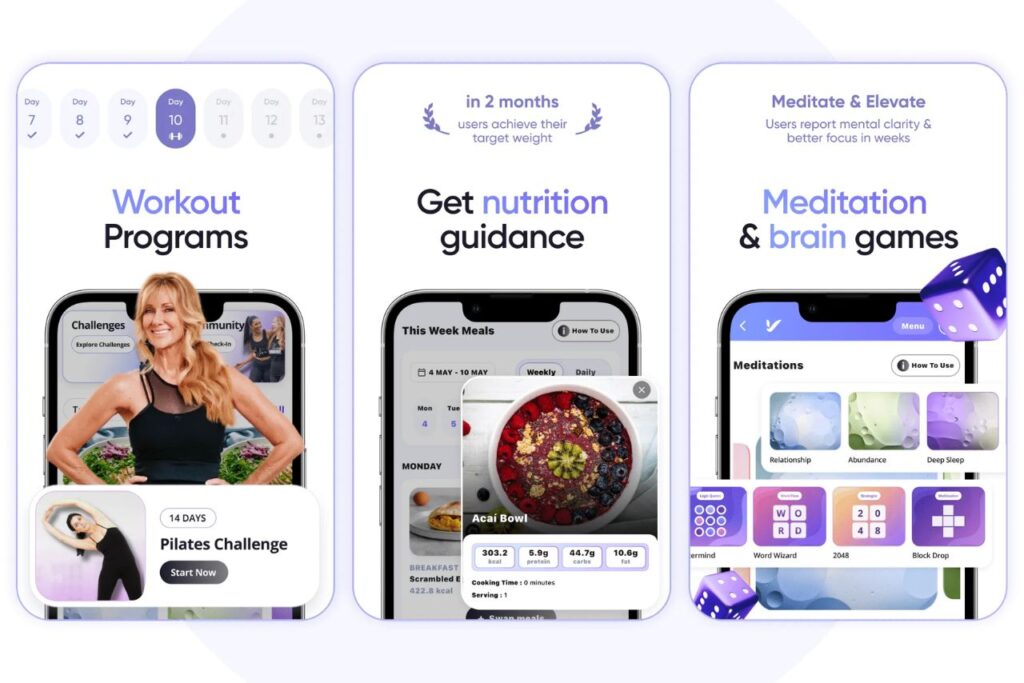
Want the bigger picture? Cardio is one of the five pillars of the Fabulous50s Longevity Protocol, designed to help women over 50 build heart health, energy and stamina. Explore our complete Cardio After 50 guide for practical ways to build cardiovascular fitness at your own pace.
How To Build Stamina After 50, Step By Step
Let us make this simple and doable. We build endurance the same way we build any good habit, gently and consistently.
Start where you are. Begin with five or ten gentle minutes. Even short, everyday bursts of movement are linked to real health benefits. There is no shame in starting small.
Add a little each week. The official advice is lovely and clear. Start low and build up gradually, over weeks rather than days. We increase time first, then pace.
Use gentle intervals. Walk a little faster for thirty seconds, then ease back to recover. These short pushes can lift endurance efficiently. A faster spell is personal, never a race.
Stay consistent. A short walk on most days beats one exhausting session. Consistency is how we build stamina after 50 that truly lasts. This is also how we build endurance after 50 safely.
READ ALSO: Fitness After 50: Is It Too Late to Start Working Out at 55?
The Best Stamina Exercises For Women Over 50
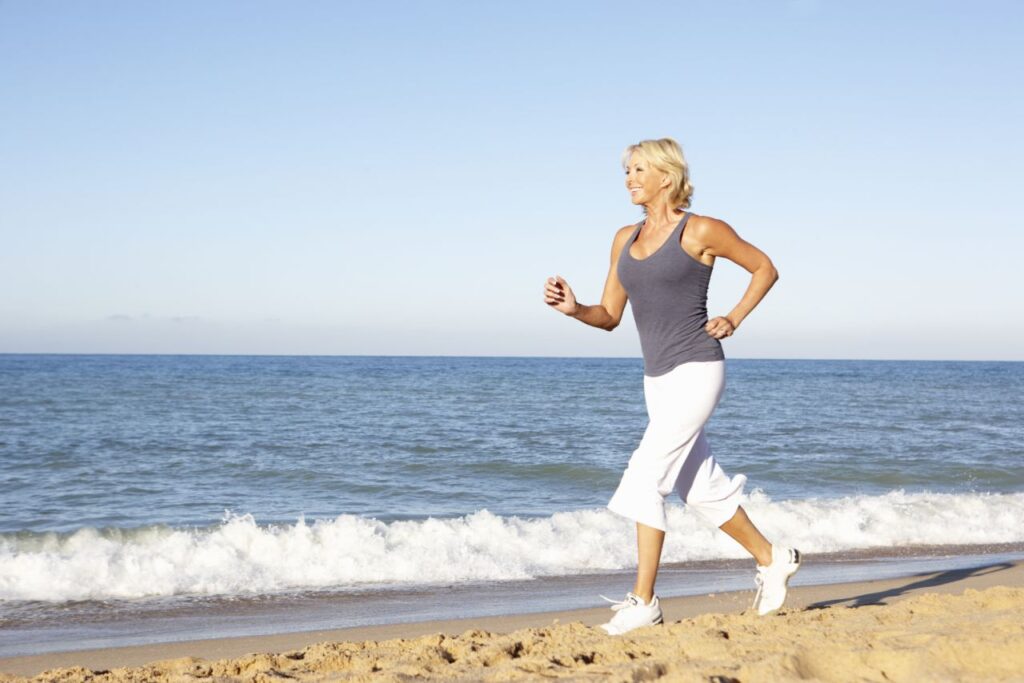
These stamina exercises for women over 50 all share one lovely trait. They are gentle enough to repeat and varied enough to keep us engaged. Here are my favorites.
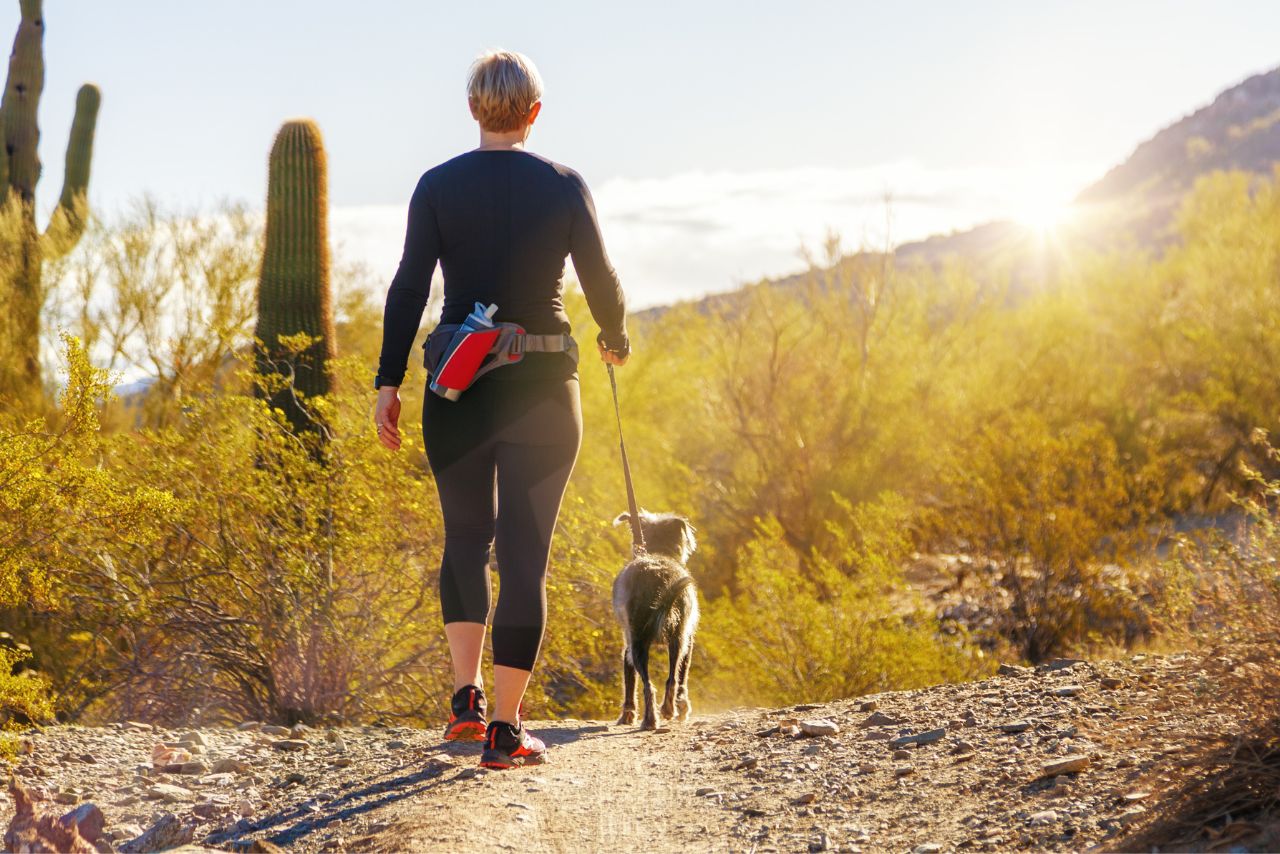
Brisk walking. The foundation of everything. It is gentle low-impact cardio that builds endurance beautifully. A daily walk keeps us connected to our fitness.
Interval walking. We alternate a brisk minute with an easy minute. This trains stamina steadily, without ever feeling overwhelming.
Swimming and water workouts. Water supports our weight and protects sore joints. That makes it wonderful low-impact cardio for tender knees and hips. Many women move far longer in water.
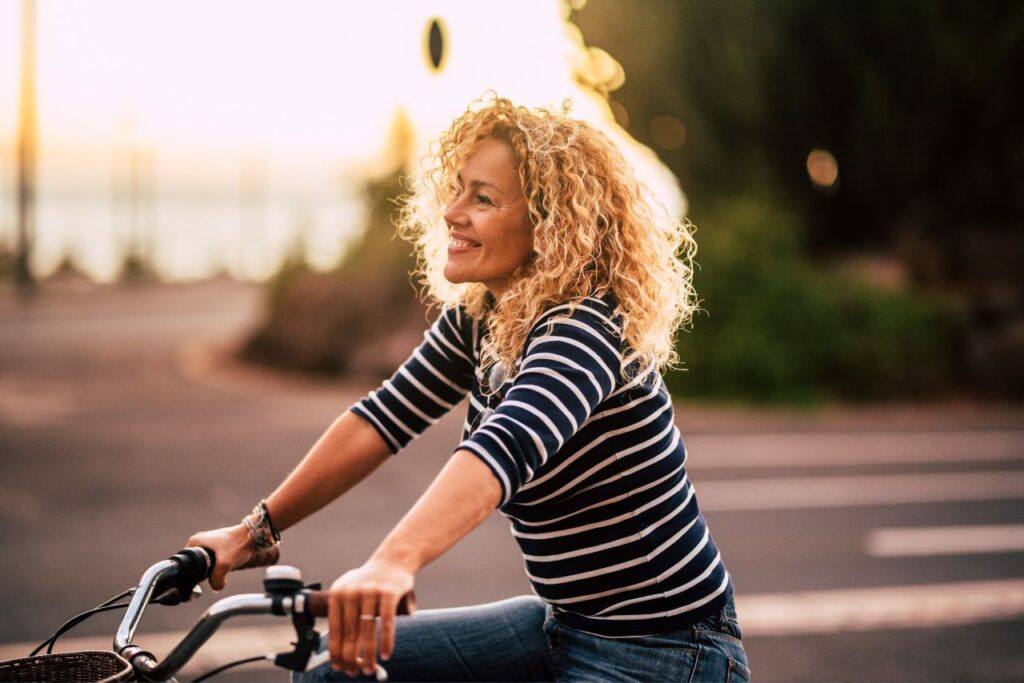
Cycling. A bike, indoors or out, builds heart and leg endurance gently. The effort is controlled entirely by us, so we never overdo it.
Standing cardio at home. Our follow-along sessions mix marching with arm movements. You can join in on the Fabulous50s YouTube channel and build endurance right in your living room.
Walking is one of the simplest ways to build cardiovascular fitness after 50. If you want to understand the bigger picture of cardio and how it fits into healthy aging, explore our complete Cardio After 50 guide.
Why Recovery is Part of Building Stamina

Here is something we rarely hear. Rest is not the opposite of progress. Our fitness actually improves during recovery, when the body repairs and adapts. Sleep and rest help the body rebuild.
So recovery days are not lazy days. They are gentle, active days. We might take an easy stroll, stretch, or do soft mobility work. When we honor recovery, our energy returns and our stamina keeps climbing.
EXPLORE MORE: The 5 Ultimate Workouts Every Woman Over 50 Should Do

Can I Build Stamina If I Feel Tired All The Time?
Yes, and I understand the worry completely. When we feel tired, movement can seem impossible. Yet gentle movement often creates energy rather than draining it.
A short walk can lift both mood and alertness. A large review of studies found that activity eases low mood and fatigue.
So we can build stamina after 50 even on tired days. Start small. Five minutes on a low day still counts. Be patient and kind with yourself.
EXPLORE MORE: 15-Minute Full-Body Indoor Walking Workout You Can Do Anytime
Final Thoughts
We can build stamina after 50 without ever punishing ourselves. It is about gently reclaiming our energy and our freedom. We do it with conversational walks, short joyful sessions, and proper recovery.
Stamina is what lets us say yes to travel, to grandchildren, and to long, happy days. Cardio is not punishment. Cardio is participation in life. So let us begin softly, stay consistent, and celebrate every small win.
Your future self, full of energy, is already cheering you on. We are in this together.
Frequently Asked Questions
Many women notice more energy within two to three weeks. Real endurance grows over a few months of consistency. Small, regular efforts add up faster than you expect.
Walking is my favorite for almost everyone. It is gentle, free, and easy to repeat daily. Add short, faster bursts as you feel stronger.
Use the talk test. If you cannot speak a full sentence, gently slow down. You should finish a session feeling worked, not wiped out.
Aim for movement on most days, kept gentle. Mix brisker days with easy, active recovery days. Consistency matters far more than intensity.
Absolutely, and it is never too late. Begin with five gentle minutes. Fitness returns surprisingly quickly once we start moving again.
Daily gentle movement is wonderful. Just vary the effort across the week. Keep some days easy so your body can repair and adapt.
This is normal and temporary. Your body is simply adjusting to a new routine. Energy usually rises within a couple of weeks, so stay patient.
Sources
1. National Institute on Aging. Tips for getting and staying active as you age. https://www.nia.nih.gov/health/exercise-and-physical-activity/tips-getting-and-staying-active-you-age
2. American Heart Association. American Heart Association recommendations for physical activity in adults and kids. https://www.heart.org/en/healthy-living/fitness/fitness-basics/aha-recs-for-physical-activity-in-adults
3. Stamatakis E, et al. Association of wearable device-measured vigorous intermittent lifestyle physical activity with mortality. Nature Medicine. 2022. https://www.nature.com/articles/s41591-022-02100-x
4. Bruseghini P, et al. Effects of high-intensity interval and continuous moderate aerobic training on fitness and health markers of older adults. 2024. https://www.sciencedirect.com/science/article/abs/pii/S0167494324001274
5. Valenzuela PL, et al. The impact of training on the loss of cardiorespiratory fitness in aging masters endurance athletes. 2022. https://pmc.ncbi.nlm.nih.gov/articles/PMC9517884/
6. UCHealth. Rest and recovery are critical for athletes of all ages, from students to older adults. 2025. https://www.uchealth.org/today/rest-and-recovery-for-athletes-physiological-psychological-well-being